
Deciding whether to upgrade your portable keyboard is a significant choice, especially when comparing two highly popular models in the same lineup. If you are looking at the Yamaha PSR-E473 and its predecessor, the PSR-E463, the decision of whether the upgrade is worth your hard-earned money depends heavily on your specific musical goals, performance environments, and recording workflow. The newer model is not a universal necessity for every player, but it introduces several targeted improvements that can transform how you interact with the instrument. The upgrade is primarily justified if you require direct USB audio recording capabilities, a significantly expanded sound library, or higher polyphony limits to handle complex, layered arrangements without note dropouts.
To make an informed decision, it is essential to look past marketing buzzwords and focus on the core categories of improvement. These key areas include sound engine expansion, rhythm and style variety, and physical interface updates. While both keyboards share a similar form factor and target intermediate players, the internal architecture has evolved. Rather than relying on third-party retailer summaries or forum posts, which can sometimes contain outdated or inaccurate specifications, you should always cross-reference the official manufacturer spec sheets to confirm the exact feature differences that matter to your playing style.
In tropical climates like the Philippines, where high humidity and ambient noise from fans or air conditioners are part of daily life, practical considerations also come into play. A keyboard’s physical durability, speaker output power, and accessory compatibility are just as important as its digital sound engine. By analyzing how you plan to use the instrument—whether for quiet home practice, recording music on a computer, or performing at local community events—you can determine which model offers the best return on your investment.
Products mentioned in this guide
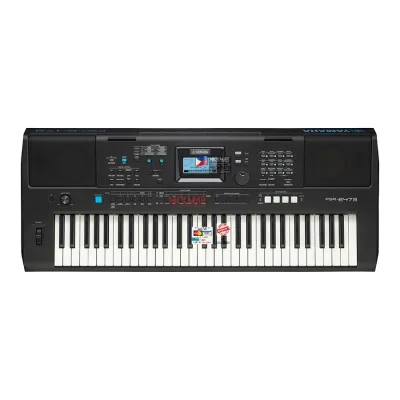
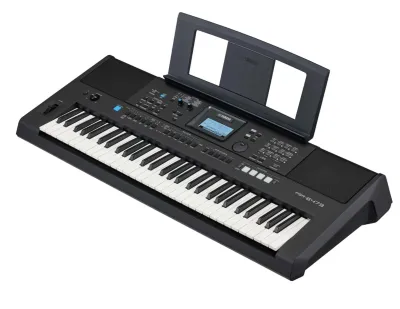
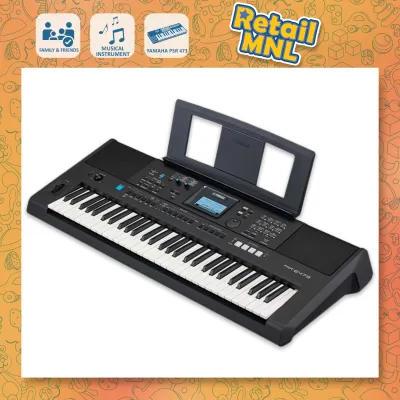
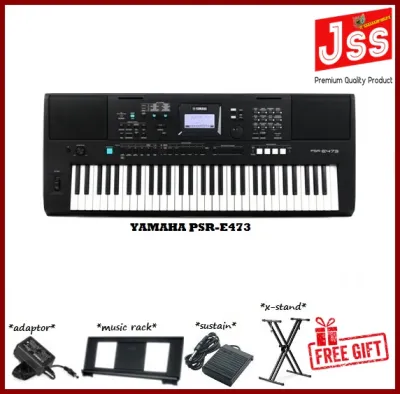
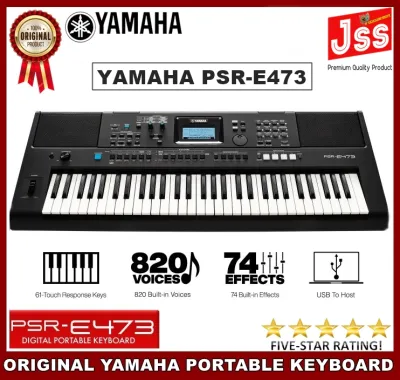
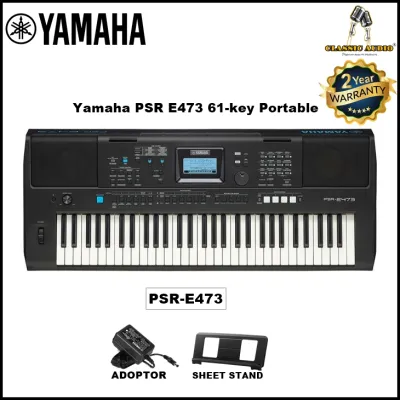
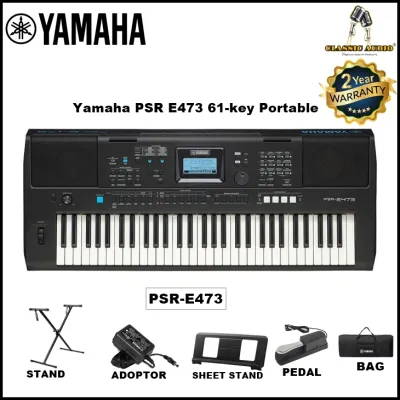
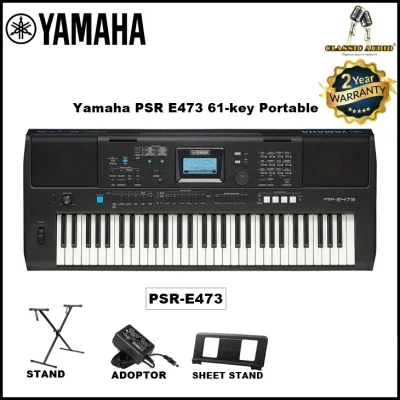
Prices are valid at publication and may change. Please refer to the product page for the latest price.
Who Should Upgrade to the PSR-E473?
The newer model is specifically designed to address the needs of modern home studio producers and active performers who find themselves limited by older hardware. One of the most compelling reasons to choose the newer model is the inclusion of direct USB audio recording. For musicians setting up a home studio, this feature eliminates the need to purchase a separate external audio interface. You can connect the keyboard directly to your computer or mobile device with a single USB cable to transmit high-quality digital audio, making it incredibly easy to record clean tracks into your digital audio workstation (DAW) without background noise.
Performers and composers who require a diverse musical palette will also benefit greatly from the expanded factory voices and accompaniment styles. If you frequently play varied genres, such as contemporary pop, traditional ballads, or upbeat dance tracks, having access to a broader range of high-quality instrument sounds allows for more expressive and authentic performances. The updated sound engine provides more realistic instrument articulations, which can make a noticeable difference when playing solo or backing up a vocalist.
Furthermore, players who frequently use layered sounds or complex sustain pedal work will find the higher polyphony limits of the newer model to be a necessity. When you layer a lush string section over a grand piano voice and hold down the sustain pedal, a keyboard quickly consumes its available polyphony. On older models with lower polyphony limits, notes can cut off abruptly, ruining the flow of your performance. The increased polyphony on the newer model ensures that complex chords and sustained passages ring out naturally, providing a much more professional and satisfying playing experience.
When the PSR-E463 Remains the Better Choice
Despite the impressive updates of the newer model, the predecessor remains a highly capable instrument that may be the more practical choice for many players. Beginners who are focusing primarily on foundational keyboard skills, basic music theory, and standard practice routines do not necessarily need the advanced connectivity or expanded sound libraries of the newer model. If your daily routine consists of practicing scales, learning simple classical pieces, or working through a beginner method book, the core keyboard action and standard piano voices on the older model will serve you perfectly well.

Additionally, if you already own a dedicated home studio setup with an external audio interface, the direct USB audio feature of the newer model becomes redundant. You can easily connect the older model to your computer using standard MIDI over USB to trigger high-end virtual instruments and software synthesizers. In this workflow, the keyboard acts primarily as a MIDI controller, meaning the built-in sound engine upgrades of the newer model will have very little impact on your final recorded tracks.
Budget is another crucial factor to consider. Opting for the older model can free up a significant portion of your budget, allowing you to allocate those saved ₱ toward essential accessories that directly improve your playing comfort and protect your instrument. In the Philippines, protecting electronic equipment from dust and high humidity is vital for longevity. Using your savings to purchase a high-quality padded gig bag, a sturdy double-braced keyboard stand, a comfortable bench, and a reliable sustain pedal is often a much wiser investment than paying a premium for advanced keyboard features you may not use.
Key Specifications to Check on the Official Spec Sheet
When comparing these two keyboards, it is important to know exactly which technical parameters to look for on the official manufacturer spec sheets. This ensures you are making a decision based on verifiable data rather than marketing claims.
First, check the polyphony specification. Polyphony refers to the maximum number of individual notes or voices the keyboard can produce simultaneously. Look at the exact numbers listed for both models. If you plan to play complex classical pieces, use heavy sustain, or layer multiple voices, verifying a higher polyphony count on the spec sheet is a reliable indicator of better performance under demanding playing conditions.
Second, inspect the connectivity section of the specifications. You want to verify whether the keyboard supports USB audio transfer in addition to USB MIDI. Furthermore, look for the presence of dedicated Left and Right line outputs. Dedicated line outputs allow you to connect the keyboard directly to an external mixing console, PA system, or keyboard amplifier without disabling the built-in speakers. This is a critical feature for live performers who need the built-in speakers to act as personal monitors on stage.
Third, compare the built-in speaker output power, which is measured in wattage. A higher amplifier wattage generally translates to a fuller, cleaner sound at higher volume levels. If you practice in a room with ambient noise, such as a fan or air conditioner running to keep cool, having slightly more powerful built-in speakers can help you hear your playing clearly without needing to wear headphones or connect external speakers.
Finally, confirm the physical dimensions and weight of both models. Even minor differences in depth, width, and weight can affect whether the keyboard will fit onto your existing stand or inside a carrying case you already own. Checking these physical specifications beforehand prevents the inconvenience of having to purchase new transport gear or furniture.
How to Make Your Final Decision
To choose the right keyboard for your musical journey, you can use a simple, conditional decision framework based on your current skills, setup, and budget.
Choose the newer model if you want a future-proof instrument that supports direct USB audio recording, offers a larger and more modern factory sound library, and provides higher polyphony to handle complex, layered arrangements. This model is ideal for intermediate players, home studio enthusiasts, and live performers who want a versatile, all-in-one portable keyboard.
Choose the older model if you are a beginner focusing on core piano skills, already own an external audio interface for recording, or want to maximize your budget in ₱ to purchase high-quality accessories like a sturdy stand, a padded bag, and a sustain pedal.
Before making your final purchase, always verify that you are buying from an authorized music retailer or a reputable online electronics store. Take the time to confirm the exact model number, check which accessories are included in the box (such as the power adapter and music rest), and review the local warranty terms in the Philippines to ensure your investment is fully protected against any manufacturing defects.
Frequently Asked Questions (FAQ)
Are stands, pedals, and cases cross-compatible between the two models?
Standard keyboard accessories, such as X-stands and Z-stands, are generally universal and will work with both models. However, you must always verify the weight capacity and depth of the stand to ensure it can safely support your keyboard. Standard sustain pedals that use a 1/4-inch jack are also cross-compatible, though you should check the polarity switch on the pedal to ensure it functions correctly with your specific keyboard. For custom-fit accessories, such as proprietary pedal boards or form-fitting soft cases, you must check the exact physical dimensions of each keyboard model against the accessory specifications. To avoid compatibility issues, consult the official accessory chart on the manufacturer’s website or contact your local authorized retailer directly before purchasing.

Community discussion
Share your experience or ask a question. Comments are reviewed before publication.