
The choice between a digital piano and an electronic keyboard depends entirely on your primary musical goals, physical space, and budget. If your focus is on classical technique, authentic acoustic feel, and a permanent home setup, a digital piano is the appropriate choice. Conversely, if you prioritize portability, diverse sound design, music production, or casual playing, an electronic keyboard will better serve your needs. Selecting the wrong type can lead to frustration, such as struggling with keys that feel too light for classical pieces or feeling weighed down by a heavy instrument when traveling. By understanding how these instruments differ in construction, sound generation, and intended use, you can make an informed investment that supports your musical development.
Core Differences Between Digital Pianos and Electronic Keyboards
To choose the right instrument, you must understand how they are built and their primary design goals. Digital pianos replicate the experience of playing an acoustic piano, focusing heavily on key feel and realistic tone. Electronic keyboards prioritize versatility, portability, and a wide array of synthetic and acoustic sounds, offering variety over physical realism.
The critical distinction lies in the key action. Digital pianos feature fully weighted keys with a hammer action system that mimics the resistance and rebound of an acoustic piano hammer. This resistance is crucial for developing finger strength and expressive control. Conversely, electronic keyboards usually feature unweighted or synth-action keys relying on simple springs. These offer minimal resistance, making them easy to press but difficult to use for nuanced classical playing.
Products mentioned in this guide

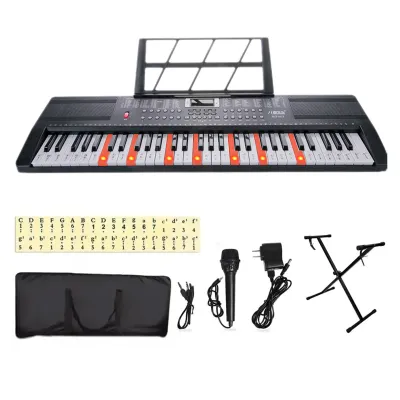
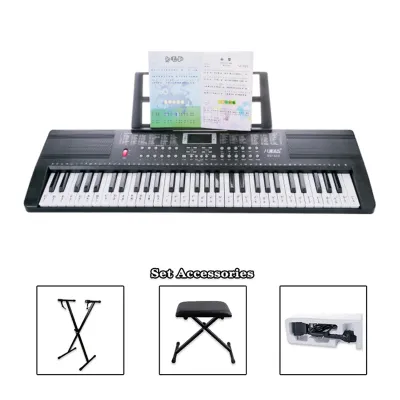
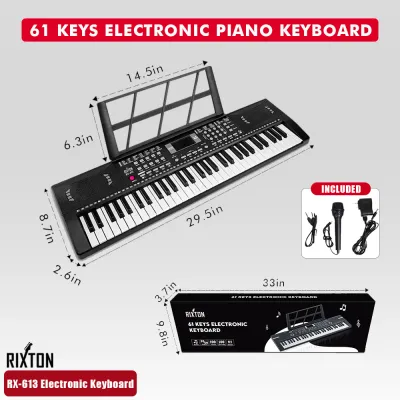
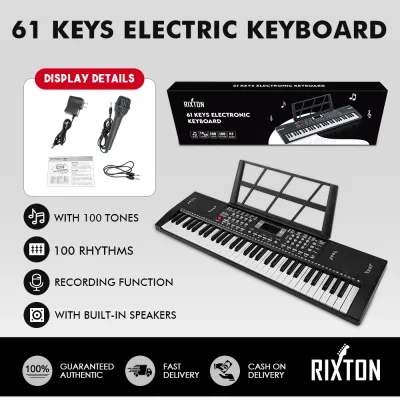
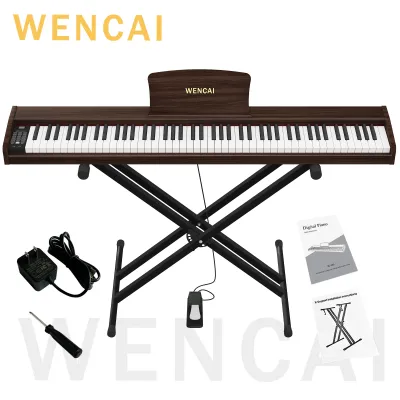
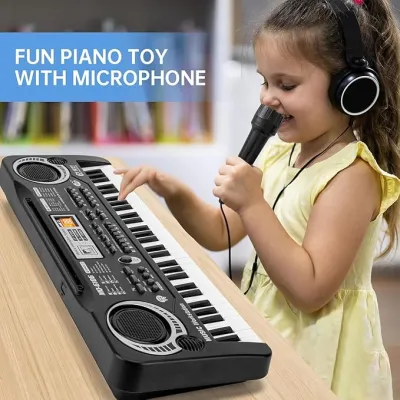
Prices are valid at publication and may change. Please refer to the product page for the latest price.
Sound generation also follows different philosophies. Digital pianos focus on high-resolution samples of acoustic grand pianos, capturing details like string resonance. While they include a few other sounds, the primary focus remains on acoustic realism. Electronic keyboards prioritize a vast library of hundreds of sounds, including synthesizers, brass, and drums, alongside built-in accompaniment styles and rhythm tracks that allow a single player to sound like a full band.
Finally, the physical footprint and key count differ. Digital pianos almost always feature the standard 88-key layout, matching a traditional piano’s full range, and are often housed in heavy wooden cabinets or robust portable chassis. Electronic keyboards are much more compact, commonly featuring 61 or 76 keys, making them lightweight and easy to place on folding stands or carry in a gig bag.
Matching the Instrument to Your Playing Goals
Your choice of instrument should align directly with what you want to achieve as a musician. A student aiming to pass formal classical exams requires a completely different tool than a hobbyist who wants to play pop songs at family gatherings or a producer creating electronic tracks in a home studio.

For Classical Training and Piano Technique
If your goal is to learn traditional piano, study classical repertoire, or eventually transition to an acoustic grand piano, a digital piano is highly recommended. Traditional playing relies heavily on dynamic control—the ability to play softly or loudly based on how hard you strike the keys. Fully weighted hammer action keys are essential for building the finger muscles and muscle memory required to execute these dynamics consistently.
Practicing on unweighted keys can hinder development. Without the physical feedback of a hammer mechanism, players often struggle to control their volume when sitting down at an acoustic piano. The keys on an electronic keyboard can feel overly sensitive or completely unresponsive to subtle changes in finger pressure, making complex classical pieces sound uneven.
Furthermore, standard classical pieces frequently utilize the extreme high and low registers of the instrument. An 88-key digital piano ensures you will never run out of keys as your repertoire advances. The inclusion of a proper sustain pedal—and often a full three-pedal system on cabinet models—is also necessary for learning advanced pedaling techniques central to classical music.
For Music Production, Gigging, and Casual Play
For those interested in modern music styles, songwriting, or live performance, an electronic keyboard offers unmatched flexibility. These instruments feature physical sliders, pitch bend wheels, and modulation controls to shape sounds in real time. If you want to explore sound design, create electronic beats, or play synth leads, the springy action of a synth-style keyboard is actually preferred over heavy piano keys.
Modern electronic keyboards excel in connectivity, making them excellent controllers for music production. Most models feature USB-MIDI ports to plug directly into a computer or tablet. This integration lets you control digital audio workstations and virtual instruments, turning your keyboard into the centerpiece of a home recording studio where you can record MIDI data and arrange multi-track songs.
For performing musicians or casual players who move their gear frequently, the lightweight nature of an electronic keyboard is a major advantage. Transporting a heavy digital piano to rehearsals or gigs can be physically exhausting. A 61-key keyboard can easily be carried in one hand or worn in a padded gig bag, making it ideal for commuting. The built-in auto-accompaniment features also make it a fun, self-contained tool for solo entertainers.
Space, Portability, and Setup Requirements
Before purchasing, evaluate where the instrument will live and how often it will be moved. In tropical climates or high-humidity environments, physical placement requires careful thought. Furniture-style digital pianos are heavy, often weighing between 30 to 80 kilograms, and are designed to remain in one spot. They require dedicated wall space and can be difficult to move through narrow doorways.
If you live in a smaller apartment, a portable digital piano or an electronic keyboard is much easier to manage. These can be paired with folding stands that collapse for easy storage. However, ensure the stand is rated for the weight of your instrument; a heavy 88-key portable digital piano requires a much sturdier stand than a lightweight 61-key electronic keyboard to prevent wobbling.
Power and cable management are also key considerations. While some basic electronic keyboards can run on batteries for outdoor use, digital pianos and advanced keyboards require a stable wall outlet. In areas prone to power fluctuations, using a high-quality surge protector is highly recommended to safeguard sensitive electronics. Additionally, keeping the instrument away from direct sunlight and high-humidity zones—such as near open windows—will prevent key stickiness and protect internal circuit boards from moisture damage.
Budgeting for Your Piano Keyboard and Accessories
When planning your purchase, look at the total cost of ownership rather than just the price tag of the keyboard itself. Prices vary widely depending on key action, sound quality, and brand reputation. In the local market, entry-level electronic keyboards start around ₱3,000 to ₱8,000, making them highly accessible for beginners. Intermediate to professional arranger keyboards and synthesizers can range from ₱15,000 to well over ₱50,000.
Digital pianos represent a larger initial investment due to their complex mechanical key actions and premium sound engines. Entry-level portable digital pianos with 88 weighted keys typically range from ₱20,000 to ₱35,000. If you prefer a furniture-style cabinet model with built-in wooden stands and three pedals, prices generally start around ₱40,000 and can exceed ₱100,000 for high-end hybrid models featuring real wooden keys.
You must also allocate a portion of your budget for essential accessories. Many entry-level instruments do not include a sustain pedal, stand, or bench. A cheap, plastic footswitch pedal often slides around on tiled floors; investing in a solid, metal piano-style sustain pedal is highly recommended. A comfortable, adjustable bench is crucial for maintaining proper playing posture. Finally, if you plan to practice quietly, a pair of comfortable over-ear studio headphones is an indispensable addition.
Decision Framework: Which Piano Keyboard Should You Buy?
To finalize your decision, evaluate your current living situation, budget, and long-term musical aspirations. There is no single winner; the right choice is the instrument that matches your specific lifestyle and goals.
Choose a digital piano if your primary goal is to learn traditional piano technique, play classical music, or prepare for formal music examinations. You should also opt for a digital piano if you have a dedicated space in your home for a permanent setup and want an instrument that looks and feels like a traditional acoustic piano. The investment in weighted keys will pay off by ensuring your finger strength and expressive control develop correctly from day one.
Choose an electronic keyboard if you need a highly portable instrument that can be easily packed away, carried to rehearsals, or moved between rooms. This is also the correct choice if you are interested in music production, want to explore a vast library of synthetic and acoustic sounds, or enjoy playing along with built-in rhythm accompaniments. It is an excellent, budget-friendly option for casual players or those who want to test their interest before committing to a larger financial investment.
Verify first before finalizing your order. Always check the exact specifications of the key action, as some models marketed as touch-sensitive are still completely unweighted. Confirm what accessories are included in the box, such as the power adapter, music rest, or sustain pedal. Additionally, verify the local warranty terms and return policies of the retailer to ensure your investment is protected against manufacturing defects or shipping damage.
Frequently Asked Questions (FAQ)
Can I learn piano on a 61-key electronic keyboard?
Yes, you can learn the absolute basics of note reading, finger placement, and simple melodies on a 61-key electronic keyboard. However, this setup is only viable for the first few months of learning. As you progress to intermediate pieces, you will quickly run out of keys on both the high and low ends of the keyboard. Furthermore, the lack of weighted keys will prevent you from developing the finger strength and dynamic control needed for expressive playing, requiring an upgrade to an 88-key weighted instrument relatively quickly.
Do digital pianos need tuning like acoustic pianos?
No, digital pianos do not require tuning. Unlike acoustic pianos, which rely on physical strings under high tension that stretch and slip over time, digital pianos generate sound electronically using recorded samples or physical modeling. This means the pitch remains perfectly stable regardless of temperature or humidity changes. However, they still require basic maintenance, such as regular dusting, keeping liquids away from the console, and protecting the keys from high humidity to prevent the internal sensors from malfunctioning.
What is the difference between semi-weighted and fully weighted keys?
Semi-weighted keys use a combination of spring tension and small weights to provide more resistance than a standard unweighted keyboard, but they do not replicate the complex mechanical feel of an acoustic piano. They are lightweight and responsive, making them popular for gigging musicians who play a mix of organ, synth, and basic piano parts. Fully weighted keys, also known as hammer action keys, use actual mechanical hammers or levers to replicate the physical weight and dynamic response of an acoustic piano key, which is essential for proper classical training.
Community discussion
Share your experience or ask a question. Comments are reviewed before publication.