
Selecting a high-end portable digital piano requires balancing authentic acoustic feel with the practical demands of transport and connectivity. The Yamaha P525 stands as a prominent option in this category, designed to bridge the gap between a stationary home console and a gig-ready stage instrument. For advancing students, professional gigging musicians, and home hobbyists alike, comparing this model against its direct market rivals is essential to ensure your investment matches your specific playing style and performance environments.
Because specifications, firmware features, and direct competitor performance can vary by release version and market availability, this guide provides a structured comparison framework. By focusing on the core pillars of digital piano design—touch, tone, and functionality—you can objectively evaluate the P525 against other top-tier portable digital pianos. This systematic approach ensures you make an informed decision that aligns with your musical needs and long-term goals.
Key Factors to Evaluate in Portable Digital Pianos
When shopping for a premium portable digital piano, several critical technical dimensions dictate the overall playing experience. Understanding these factors allows you to look past marketing terminology and focus on how an instrument will actually perform under your fingers and in your specific living or performance space.
Products mentioned in this guide
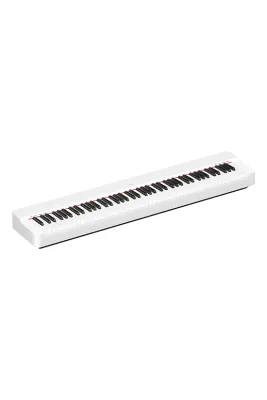
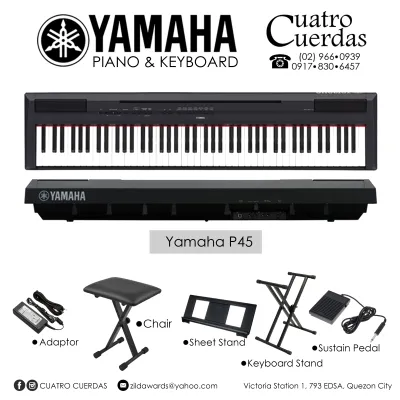
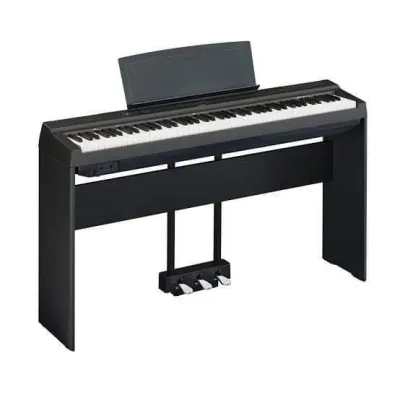
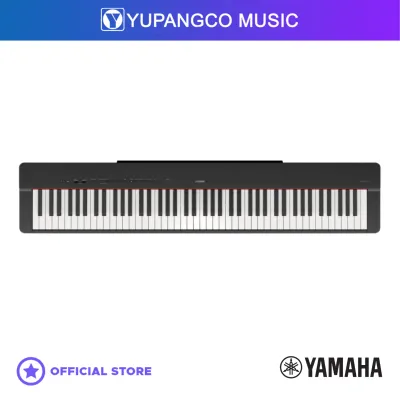
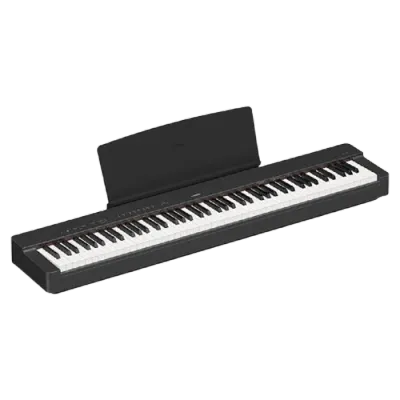
Prices are valid at publication and may change. Please refer to the product page for the latest price.
The key action and touch response serve as the primary physical connection between the pianist and the sound engine. High-quality actions often incorporate wooden white keys, graded weighting, and simulated escapement to mimic an acoustic grand piano’s hammer action. Additionally, a longer key pivot length makes it easier to play deep inside the keybed, which is crucial for executing complex chord voicings.
Sound engine capabilities dictate the realism and expressiveness of the instrument. Look for advanced acoustic sampling that captures multiple velocity layers, key-off releases, and sympathetic string resonance. High polyphony limits, such as 256 notes, prevent notes from decaying prematurely during complex, sustained classical pieces.
Portability metrics are vital if you plan to transport the instrument for gigs or rehearsals. Evaluate the actual weight and physical dimensions of the keyboard chassis, as premium weighted actions add significant heft. A piano that is too heavy or bulky defeats the purpose of a portable setup.
Connectivity options expand the utility of a digital piano beyond simple solo practice. Verify the presence of USB audio and MIDI interfaces, which allow direct recording to a computer or mobile device. Bluetooth audio and MIDI capabilities facilitate wireless playback of backing tracks and seamless integration with educational applications.
Evaluating the Yamaha P525: Specs and Features to Verify
To determine if the Yamaha P525 is the right instrument for your musical journey, verify its official specifications and understand how its design elements translate to real-world playability.

Begin by checking the official keybed technology. The P525 features the GrandTouch-S action, which incorporates solid wooden white keys to replicate the organic feel of an acoustic grand. When testing this action, observe how the key resistance and return speed respond to rapid repetitions and delicate pianissimo passages.
Next, verify the sound engine specifications. The P525 features high-resolution samples of the Yamaha CFX and the Bösendorfer Imperial concert grand pianos. Additionally, check for Virtual Resonance Modeling (VRM), which calculates the complex physical interactions of strings, dampers, and the soundboard in real time to add organic warmth.
Review the physical build quality and speaker configuration. The P525 is equipped with a two-way speaker system designed to project sound both upward toward the player and downward. Inspect the placement of these speakers and verify the included accessories, such as the music rest and the single sustain pedal, to identify any additional hardware needs.
Finally, confirm firmware updates and companion app integration. The P525 works with the Smart Pianist app, allowing you to customize touch curves, adjust EQ settings, and layer voices through an intuitive graphical interface on your tablet or smartphone. Verifying these digital features ensures you can fully exploit the instrument’s customization potential.
Comparing the P525 Against Top Contenders
Evaluating the Yamaha P525 against other mainstream flagship portable digital pianos requires a balanced comparison of touch, tone, and user interface design. Different manufacturers prioritize different aspects of the playing experience, making personal preference a decisive factor.
When comparing keybed feel, contrast Yamaha’s GrandTouch-S action with the key actions of rival brands. Some competitors utilize fully plastic actions with advanced counterweights, while others offer hybrid wood-and-plastic keys. Yamaha’s action is often noted for its precise, firm response and quick key return, which appeals to players seeking a highly responsive touch. Other brands may offer a heavier, more resistant feel or a softer bottoming-out sensation, which some classical pianists prefer for building finger strength.
Assess your sound character preferences by comparing the acoustic samples of different brands. The Yamaha sound profile is traditionally characterized by its brightness, clarity, and ability to cut through a dense band mix, making it highly popular for pop, jazz, and live ensemble playing. In contrast, some competing brands offer mellower, darker, or more heavily modeled acoustic tones that may feel more intimate for solo classical practice but can sometimes sound muddy in a live performance setting.
Evaluate the onboard speaker power and projection capabilities across your candidate models. While the P525 features a robust internal amplification system, some competitors offer higher wattage ratings or multi-speaker arrays that project sound more efficiently in larger rooms. If you intend to use the piano primarily at home without external speakers, the quality of the internal amplification is a critical differentiator.
Review interface usability and control schemes. The P525 utilizes a clean control panel with physical buttons and a small display screen, allowing for quick adjustments on stage. Some competing models rely heavily on minimalist designs that require complex button combinations or constant connection to a mobile app to change basic settings. Consider whether you prefer tactile, immediate physical controls or a streamlined, high-tech aesthetic.
Assessing Value and Availability in the Philippines
Purchasing a premium digital piano in the Philippines involves practical considerations regarding local pricing, accessory bundles, and long-term product support.
Begin by comparing base prices in ₱ across authorized local music retailers. Because these instruments represent a significant financial investment, look for bundled deals that include essential accessories such as a dedicated wooden stand and a matching triple pedal unit. Purchasing these components as a bundle often provides better overall value than buying them individually later.
Verify that you are purchasing from an authorized local dealer in the Philippines to secure a valid manufacturer’s warranty. Authorized dealers provide access to certified repair centers and genuine replacement parts, which is crucial for protecting your investment. Given the tropical climate of the Philippines, characterized by high humidity and temperature fluctuations, having reliable local support is essential should the wooden keys or internal electronics require professional maintenance.
Factor in the cost of necessary upgrades based on your playing level. If you are an advanced classical student, the basic single sustain pedal included in the standard box may not suffice, requiring you to budget for a dedicated triple pedal board. Additionally, consider the cost of a high-quality, padded gig bag if you plan to transport the instrument frequently to venues or rehearsals.
Check current stock availability and potential lead times with local distributors. Premium models like the P525 are highly sought after, and shipping schedules to the Philippines can occasionally lead to temporary stock shortages. Inquire about delivery timelines and store pickup options to plan your purchase effectively.
Final Decision Framework: Which Piano Fits Your Needs?
To finalize your choice, apply a conditional decision framework that aligns the technical strengths of each instrument with your specific musical requirements and playing environment.
Choose the Yamaha P525 if you prioritize a highly responsive, wooden-key touch action, bright and clear acoustic grand piano samples that perform exceptionally well in live mixes, and seamless integration with iOS and Android music applications. It is an excellent match for gigging musicians and students who appreciate a precise, fast keybed response.
Choose a top competitor if your playing style demands a heavier, warmer keybed feel, a darker or more modeled acoustic tone profile, or specific live-performance audio routing options, such as dedicated physical sliders for real-time zone mixing or XLR outputs.
Verify your current playing technique if you are upgrading from an entry-level digital piano. Moving from a lightweight, non-weighted, or basic plastic action to a premium weighted action like the GrandTouch-S will require an adjustment period as your fingers adapt to the realistic resistance and dynamic control of the new keybed.
Neither option may fit your needs if your primary goal is to find a lightweight, highly portable MIDI controller for studio production, or a fully weighted 88-key synthesizer workstation with extensive sound design and sequencing capabilities. In those scenarios, a dedicated stage synthesizer or a lightweight controller would serve you better than a dedicated digital piano.
Frequently Asked Questions (FAQ)
Is the Yamaha P525 suitable for beginners?
Yes, the Yamaha P525 is highly suitable for beginners who are committed to long-term piano study and have the budget for a premium instrument. The high-quality GrandTouch-S keybed helps novice players develop proper finger strength, hand posture, and dynamic control from the very beginning, preventing the bad habits that can form when practicing on unweighted or poorly responsive keys. However, casual learners who are unsure of their long-term commitment should weigh this premium cost against their actual needs, as many entry-level models offer sufficient functionality for the initial stages of learning at a lower price point.
Do I need an external amplifier for live gigs?
Whether you need an external amplifier depends entirely on the size and noise level of your performance venue. For quiet, intimate settings such as a small living room, a classroom, or a small acoustic rehearsal space, the P525’s built-in two-way speaker system provides sufficient volume and clear projection. However, in larger venues, noisy restaurants, or when playing alongside a full band with drums and electric guitars, the onboard speakers will not be powerful enough. In these scenarios, you must connect the piano’s dedicated line-out jacks to a keyboard amplifier, a portable PA system, or the venue’s mixing console to ensure proper sound projection and monitoring.

Community discussion
Share your experience or ask a question. Comments are reviewed before publication.