
The resurgence of the cassette tape as a premium collectible has transformed how P-Pop enthusiasts interact with physical music. For dedicated followers of SB19 and BINI, acquiring these analog releases is more than a nostalgic gesture; it is a way to secure a tangible piece of music history. Unlike digital streams, a physical cassette offers a tactile connection to an album’s era, complete with unique packaging, visual concepts, and exclusive merchandise. However, because modern cassette releases can range from fully functional audio formats to purely decorative display pieces, collectors must approach each purchase with a clear strategy. Navigating the secondary market, verifying authenticity, and understanding how to preserve these delicate items in a tropical climate are essential steps to building a collection that retains both its sentimental and material value.
To make informed decisions, you must look beyond the initial excitement of a comeback announcement. Each release carries specific variables, including the completeness of its inclusions, the quality of its physical housing, and its compatibility with playback equipment. By establishing a systematic evaluation process, you can avoid common collector pitfalls, such as purchasing incomplete secondhand sets or failing to protect paper elements from environmental wear. This guide provides a comprehensive framework for assessing, sourcing, and preserving SB19 and BINI cassette tape editions, ensuring your collection remains a source of pride for years to come.
Evaluating P-Pop Cassette Tapes: Core Criteria for Collectors
When building a P-Pop cassette collection, your first task is to define what makes a particular release valuable to you. The modern revival of the cassette tape format has led to two distinct types of releases: functional analog media and novelty merchandise. Some production runs feature fully wound magnetic tape containing high-fidelity audio tracks, while others are designed primarily as aesthetic shells intended solely for display. Before finalizing any purchase, check the official manufacturer specifications or distributor listings to confirm whether the cassette is playable or if it serves as a non-functional decorative item. If playback is your goal, verifying the presence of actual magnetic tape and a clear tracklist is non-negotiable.
Products mentioned in this guide
![Queen Forever Cassette Tape Brand New [Sealed] Original](https://img.lazcdn.com/g/p/91fc6f8101ae6035cd7a7deb928e6b42.jpg_400x400q80.jpg_.webp)
![G.unsN Roses GRIEATEST HITS Cassette Tape Brand New [Sealed] Original](https://img.lazcdn.com/g/p/939b88e3f55d1b8bbfb4bd42c71a827b.jpg_400x400q80.jpg_.webp)
![Carpenters Yesterday Once More Cassette Tape Brand New [Sealed] Original](https://img.lazcdn.com/g/p/d6f13ba7f7d3dda66746ddb49d33dabf.jpg_400x400q80.jpg_.webp)
![The Beatles Abbey Road Cassette Tape Brand New [Sealed] Original](https://img.lazcdn.com/g/p/73c5c301eed00d40f135b52436bd0673.jpg_400x400q80.jpg_.webp)
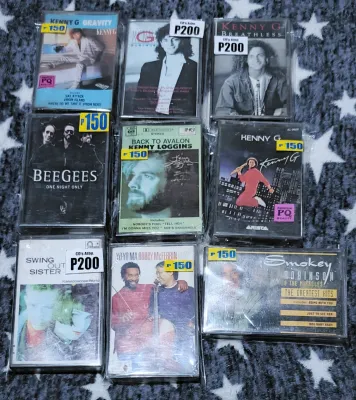
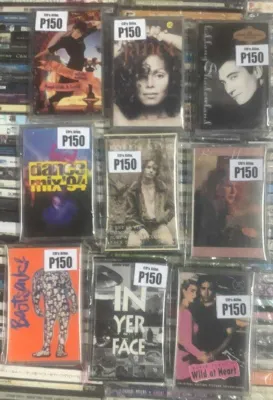
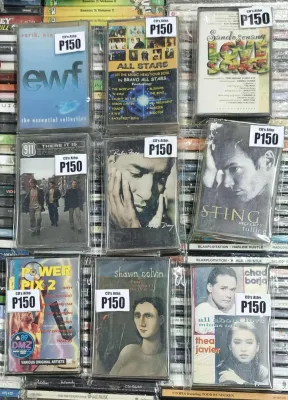
Prices are valid at publication and may change. Please refer to the product page for the latest price.
Beyond the tape itself, the value of a modern P-Pop release is heavily tied to its bundled inclusions. Unlike vintage cassettes that typically only included a simple J-card insert, contemporary SB19 and BINI releases often mimic the lavish packaging of CD box sets. Collectors should carefully evaluate the completeness of these packages. Standard inclusions may feature detailed photo books, lyric sheets, sticker sheets, and highly coveted random photocards. When buying from secondary markets, always request a detailed inventory of these items. A missing photocard or a bent lyric sheet can significantly reduce the collectible value of the set, making it crucial to compare the seller’s listing against the original official unboxing checklist.
Finally, pay close attention to the physical build quality and display aesthetics of the packaging. The outer housing—whether it is a standard plastic jewel case, a cardboard slipcase, or a custom tin box—plays a major role in how the album looks on your shelf. Look for limited-edition markers, such as unique colorways for the cassette shell, holographic foil stamping on the cover, or individual serialization numbers. These design choices not only enhance the visual appeal of your display but also serve as key indicators of the release’s long-term rarity and desirability among the wider fan community.
Navigating SB19 Cassette Releases: What to Verify
SB19’s discography spans several distinct eras, each characterized by unique visual identities and conceptual themes. When evaluating SB19 cassette releases, it is important to understand how these eras translate into physical merchandise. For instance, earlier EP releases may feature different packaging standards compared to more recent conceptual phases. To ensure you are adding a genuine piece to your collection, research the specific inclusion structures associated with the era you are targeting. Some releases may prioritize extensive photo books showcasing the group’s evolving fashion, while others might focus on intricate graphic design elements and conceptual lyric cards.

Authenticity verification is a critical step when sourcing SB19 merchandise, especially given the high demand for out-of-print editions. Official releases typically feature distinct licensing marks, distributor logos, and holographic security stickers on the outer packaging. Before purchasing, familiarize yourself with the official logos of the group’s management agency and their authorized physical distributors. If you are buying a secondhand copy, ask the seller for high-resolution close-ups of these security features. The absence of a holographic sticker or the presence of blurry, low-resolution printing on the J-card are immediate red flags that suggest a counterfeit reproduction.
Additionally, inspect the physical condition of the cassette components thoroughly. For the plastic shell, check for hairline cracks, scuffs, or discoloration. Examine the tape reels to ensure the magnetic tape is wound evenly and shows no signs of twisting, stretching, or mold growth—a common issue in humid environments. The J-card, which serves as the primary cover art and lyric insert, should be free of creases, water stains, and edge wear. If the seller is unable or unwilling to provide detailed photos of these specific areas, it is best to pass on the listing and wait for a more transparent opportunity.
Exploring BINI Cassette Editions: Version Differences and Inclusions
BINI’s physical releases are celebrated for their vibrant visual themes, retro-pop aesthetics, and diverse version variations. When exploring BINI cassette editions, collectors must navigate a variety of structural differences designed to appeal to different fan preferences. Some comebacks may feature member-specific cover variants, allowing you to collect a cassette dedicated to your favorite member, while other versions focus on group-centric concepts. These variations often extend to the color of the cassette shell itself, with pastel pinks, blues, or clear glitter plastics matching the specific era’s color palette. Understanding these version differences helps you decide whether to aim for a complete set of all variants or focus on a single, definitive group version.
The random nature of modern P-Pop inclusions means that verifying completeness is particularly challenging for BINI releases. A standard retail package may contain a random selection of photocards, postcards, or stickers from a larger pool of collectible designs. If you are purchasing a “sealed” copy, you accept the thrill of the random draw. However, if you are buying an “unsealed” or “opened” copy to secure a specific member’s inclusions, you must cross-reference the package contents with the official unboxing checklist. Ensure that the seller has not substituted lower-value fan-made replicas for the official, high-quality printed inclusions that originally came with the album.
The physical design motifs of BINI’s releases are highly tailored for aesthetic display. The bright, energetic color schemes and retro-inspired typography make these cassettes standout pieces on any shelf. When planning your display, consider how the cassette’s outer packaging aligns with your existing collection. Some editions may use non-standard dimensions or delicate cardboard slipcases that require extra care when arranging. Matching the physical build quality and design motifs to your personal display preferences ensures that your collection remains visually cohesive and satisfying to showcase.
Sourcing Genuine Cassettes: Authenticity and Retailer Checks
To safeguard your investment, always prioritize official and authorized retail channels when sourcing P-Pop cassettes. The safest starting point is the official brand websites of the artists’ management agencies or their designated merchandise partners. Additionally, look for verified flagship stores on major e-commerce platforms and established physical music retailers with a proven track record of selling official P-Pop releases. Purchasing directly from these authorized sources guarantees that your money supports the artists and that you receive a genuine, high-quality product complete with all intended inclusions.
When official channels sell out, collectors must often turn to secondary markets, peer-to-peer selling groups, or online marketplaces. Navigating these spaces requires a high degree of caution. Be on the lookout for common red flags, such as listings with suspiciously low prices that seem too good to be true. Counterfeiters often replicate popular cassette designs using low-quality home printers for the J-cards and cheap blank tapes. Always request proof of purchase from the original retailer, and look for intact security seals or shrink-wrap. If a seller refuses to provide video proof of the cassette’s condition or avoids answering questions about the item’s origin, do not proceed with the transaction.
Finally, understand the logistical risks associated with different purchasing methods. Pre-ordering a new release directly from an official store often involves long waiting periods and potential shipping delays, but it secures your copy at retail price. In contrast, buying in-stock items from local resellers may offer faster delivery but often comes with a price premium. Regardless of the method, ensure that the seller uses secure packaging materials, such as sturdy cardboard boxes and multiple layers of bubble wrap. Cassette cases are notoriously fragile and can easily crack during transit if not properly protected, turning a pristine collectible into a damaged disappointment.
Strategizing Your Collection: Storage, Budget, and Display
A successful collection strategy requires balancing your passion for P-Pop with practical considerations like space, budget, and environmental preservation. Begin by defining your primary collection goal. If your focus is purely aesthetic, you might prioritize displaying the cassettes face-out on custom acrylic shelves, showcasing the vibrant cover art and colorful shells. If your goal includes audio playback, you will need to invest in a reliable, well-maintained cassette player and accept the natural wear and tear that comes with running magnetic tape through a playback head. Clarifying this goal early on will guide your purchasing decisions and help you determine which editions are worth the investment.
In the tropical climate of the Philippines, environmental preservation is the single greatest challenge for cassette collectors. High humidity levels can lead to mold growth on the magnetic tape, which ruins the audio quality and can damage your playback equipment. Furthermore, excess moisture can cause paper J-cards and photo books to warp, stick together, or develop unsightly yellow spots known as foxing. To protect your collection, store your cassettes in a cool, dry room away from direct sunlight, which can fade the printed artwork and warp the plastic shells. Utilizing archival-quality protective plastic sleeves for both the outer cases and individual paper inclusions is highly recommended. Additionally, placing silica gel packets inside your storage containers helps absorb excess moisture and maintain a stable environment.
Establishing a realistic budget framework is essential for maintaining a sustainable hobby. The secondary market for out-of-print SB19 and BINI releases can be highly volatile, with prices fluctuating based on demand and perceived rarity. Set a flexible budget limit in ₱ for each release you target, taking into account the item’s condition, completeness, and historical market value. Avoid giving in to “fear of missing out” (FOMO) during peak comeback seasons, as prices on secondary markets often spike immediately after a release sells out before stabilizing later. By pacing your purchases and focusing on quality over quantity, you can build a valuable, personally meaningful collection without overextending your financial limits.
Frequently Asked Questions (FAQ)
Do SB19 and BINI cassette tapes actually play music?
Yes, most official SB19 and BINI cassette tape releases are fully functional analog formats containing playable magnetic audio tape. However, because some promotional merchandise or special edition packages may feature non-functional decorative cassette shells designed solely for display, it is crucial to verify the product specifications before purchasing. Always check the official tracklist and product description on the authorized retailer’s listing to confirm that the release contains playable audio tape rather than a hollow plastic novelty shell.
How can I protect my cassette J-cards from damage?
To protect your cassette J-cards and paper inserts from damage, store them in archival-quality, acid-free protective plastic sleeves. Keep your collection in a temperature-controlled environment away from direct sunlight, which causes colors to fade over time. In humid climates like the Philippines, manage moisture levels by placing silica gel packets in your storage boxes and avoiding damp display areas. Handle the paper inserts with clean, dry hands to prevent oil transfer, and avoid folding or creasing the J-cards when removing them from the plastic jewel cases.

Community discussion
Share your experience or ask a question. Comments are reviewed before publication.