
Pinoy Pop (P-Pop) has taken the music world by storm, with groups like SB19 and BINI capturing the hearts of millions of dedicated fans. Alongside this digital dominance, physical music merchandise has experienced a massive resurgence, leading many fans to ask if purchasing these retro releases is a wise decision.
If you are wondering whether P-Pop cassette tapes are worth collecting as fan merchandise, the direct answer is yes—but primarily as unique, retro-themed aesthetic collectibles and sentimental tokens of support rather than practical, everyday listening tools. While they offer a tangible, nostalgic connection to your favorite artists, they require specialized hardware and specific environmental care to remain functional over time. Evaluating their worth depends on whether you value the physical ownership and display appeal of the format over pure audio convenience.
The Retro Revival: Why P-Pop Groups Are Releasing Cassette Tapes
The global music industry has seen a massive retro revival in physical music media, and the local P-Pop scene is no exception. Modern music consumption is almost entirely digital, dominated by instant streaming on mobile devices. To bridge the gap between ephemeral digital plays and tangible fan support, prominent P-Pop acts now release limited physical editions of their albums. These physical releases allow fans to own a concrete piece of their favorite group’s history, turning music consumption into a highly tactile experience.
Products mentioned in this guide
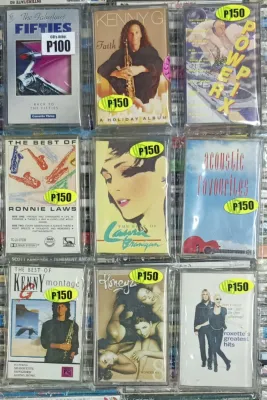
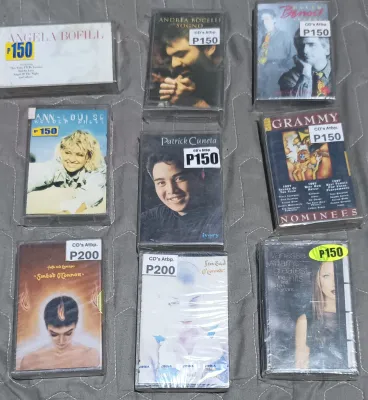
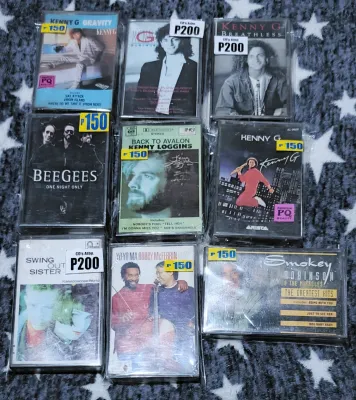
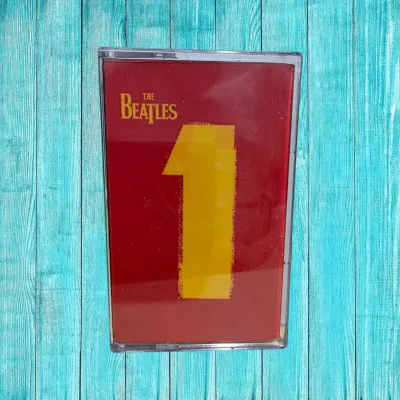
![Queen Forever Cassette Tape Brand New [Sealed] Original](https://img.lazcdn.com/g/p/91fc6f8101ae6035cd7a7deb928e6b42.jpg_400x400q80.jpg_.webp)
![Carpenters Yesterday Once More Cassette Tape Brand New [Sealed] Original](https://img.lazcdn.com/g/p/d6f13ba7f7d3dda66746ddb49d33dabf.jpg_400x400q80.jpg_.webp)
![Eagles Hell Freezes Over Remaster Cassette Tape Brand New [Sealed] Original](https://img.lazcdn.com/g/p/08fa1bb5484e2647bd72b0dfec45980f.jpg_400x400q80.jpg_.webp)
Prices are valid at publication and may change. Please refer to the product page for the latest price.
It is crucial to distinguish between a functional audio medium and a visual collectible. While the cassette tape was once the dominant format for listening to music on the go, modern cassette releases are designed primarily as aesthetic merchandise. Production runs are often highly stylized, featuring vibrant, translucent plastic shells, custom pad-printed graphics, and elaborate J-card packaging that matches the visual concept of the album era. For groups like SB19 or BINI, these cassettes serve as a creative canvas that extends the visual identity of their music videos and concept photos into a physical object.
This diversification of merchandise lines is a strategic move to deepen fan engagement. By offering a variety of physical formats, music agencies cater to different segments of the fandom, from casual listeners to hardcore completionists. Limited-edition physical formats create a sense of exclusivity and shared excitement during album rollouts, serving as a badge of honor for fans who want to showcase their dedication on social media or on their display shelves at home.
Cassette Tapes vs. Other P-Pop Merch: Where Do They Fit?
To evaluate whether a cassette tape is the right purchase for you, it helps to compare it against other common merchandise formats using a clear framework of cost, display appeal, exclusivity, and physical inclusions. In the Philippine market, official merchandise generally falls into distinct price tiers. Low-tier merchandise, such as standalone photocard sets, keychains, or slogan banners, typically ranges from ₱200 to ₱500. Cassette tapes occupy a comfortable mid-tier price band, usually retailing between ₱800 and ₱1,500, while vinyl records represent the high-tier premium bracket, often starting at ₱3,000 and going up significantly.

When contrasted with standard CD albums, cassettes offer a distinct visual aesthetic. While CDs often come in traditional jewel cases or larger photobook packages, cassettes are compact, highly collectible, and carry an undeniable Y2K or retro charm. CDs are more likely to include extensive, multi-page photobooks, whereas cassettes are limited by their smaller packaging dimensions. However, the unique, pocket-sized form factor of a cassette tape can make it a more novel and eye-catching display piece on a dedicated shelf.
Compared to vinyl records, cassettes are far more accessible for the average fan. Vinyl records require expensive, space-consuming turntables and specialized audio equipment to play, making them a major financial commitment. Cassettes are much more affordable, easier to store, and do not require a massive living space to enjoy. They provide a physical analog experience at a fraction of the cost and space required for vinyl collecting.
Finally, when compared to purely visual merchandise like apparel or acrylic stands, a cassette tape adds perceived value because it contains the actual physical audio format. While you might rarely play the tape itself, owning the physical tracks feels more closely tied to the musical output of the artist than owning a generic t-shirt. For collectors who want to build a comprehensive physical discography rather than just accumulating lifestyle merchandise, the cassette tape is a highly satisfying middle ground.
Display vs. Playback: The Practical Reality of Cassette Collecting
Before purchasing a cassette tape, it is essential to understand the practical hardware reality. Playing a cassette requires a functional cassette player, portable tape player, or a vintage deck. Sourcing these devices in the modern era can be challenging and may require an additional financial investment. Many modern, cheap portable cassette players sold online suffer from poor build quality, unstable playback speeds, and fragile mechanisms that can easily chew or ruin your collectible tapes.
Furthermore, you must manage your audio quality expectations. Analog tape playback will not match the high-fidelity, lossless quality of modern digital streaming or vinyl records. Cassette tapes naturally produce an audible background hiss, have a narrower dynamic range, and are prone to subtle speed fluctuations known as wow and flutter. If you are looking for a pristine, crystal-clear listening experience, physical tape playback is likely to disappoint you.
For the vast majority of P-Pop fans, the primary value proposition of a cassette tape is its status as an aesthetic display piece and a sentimental token of support. It is an item meant to be admired on a shelf, displayed alongside lightsticks and photocards, or kept as a treasured keepsake. The act of purchasing the tape directly supports the artists’ charting power and physical sales metrics, which is often the main goal for dedicated fanbases.
To avoid disappointment, always check the product descriptions and specifications before purchasing. Verify if the cassette release includes a digital download code or a QR card for practical digital listening, or if it is strictly an analog media item. Interfaces, codecs, capacity, and compatibility for any physical media playback devices or accessories you intend to use require verification of exact model specifications; broad brand names and generic category terms do not prove actual performance or compatibility with your tape.
Deciding If P-Pop Cassette Tapes Are Worth Your Budget
Buying physical music merchandise is highly recommended under specific conditions. If you are a fan who prioritizes retro-themed display pieces or if your favorite group’s album concept heavily leans into Y2K, synth-pop, or vintage aesthetics, a cassette tape is a perfect fit. It is also an excellent purchase for completionist collectors who aim to own every physical variation of an album to build a comprehensive physical discography of their favorite P-Pop groups.
Conversely, you should skip or reconsider purchasing a cassette tape if you are on a strict merchandise budget. If funds are limited, it is often more practical to prioritize official concert tickets, fan meetings, or essential lightsticks that enhance your live fan experience. You should also pass on this format if you only care about high-fidelity audio playback, or if you lack adequate, temperature-controlled display or storage space in your home.
It is also wise to evaluate the social media “hype” factor before clicking the buy button. Ask yourself if your desire to purchase is driven by a genuine appreciation for the physical format and the album artwork, or if it is merely a temporary reaction to unboxing videos and social media trends. If you find yourself caught up in the fear of missing out (FOMO), take a few days to reflect on whether the item fits your long-term collecting goals.
Ultimately, P-Pop cassettes are worth the investment as supplementary, highly aesthetic collectibles that look beautiful on a shelf and show deep support for your favorite group. However, they should not replace core albums, essential concert experiences, or daily digital streaming support if your entertainment budget is limited. Balance your spending to ensure your collection brings you genuine, long-term joy.
How to Verify Authenticity and Protect Your Collection
When buying P-Pop merchandise, protecting your hard-earned money means verifying the authenticity of your purchase. Before making any purchase, collectors must verify the specific edition, language, medium or file format, regional restrictions, device compatibility, content completeness, and authorized source. Never infer the actual contents of a cassette edition solely from the title or the cover art, as packaging variations can differ significantly between production runs. To guarantee you are getting official merchandise, purchase only from official artist webstores, recognized local record stores, or authorized flagship stores on major e-commerce platforms. Avoid unverified social media resellers or unauthorized third-party listings, which carry a high risk of bootlegs, counterfeits, or unfulfilled pre-orders.
Once you have secured an authentic cassette tape, proper maintenance is crucial, especially in the tropical climate of the Philippines. High relative humidity and elevated ambient temperatures can accelerate the degradation of both the plastic cassette shells and the magnetic tape itself. Excess moisture can lead to mold growth on the tape ribbon, which can permanently ruin the audio and damage any playback equipment you use.
To protect your collection, store your cassette tapes upright in their original plastic cases. Keep them in a cool, dry place away from direct sunlight, which can warp or yellow the plastic shells and degrade the magnetic tape. If you store your collection in a closed cabinet, consider using silica gel desiccant packets nearby to help absorb excess moisture from the air.
Additionally, keep your cassette tapes away from strong magnetic fields. Storing tapes directly on top of or next to unshielded audio speakers, subwoofers, television sets, or heavy household electronics can partially erase or heavily distort the audio recorded on the magnetic tape. A safe distance of at least a few feet from these devices will preserve the integrity of the analog recording.
Finally, perform periodic visual checks of your collection. Gently inspect the tape reels inside the shell to ensure the ribbon is wound tightly and evenly, and check for any signs of dust or mold. If a tape ribbon becomes loose, you can gently wind it back into place using a standard hexagonal pencil inserted into one of the spool hubs. However, if a tape becomes severely jammed, tangled, or snapped, avoid attempting complex, irreversible physical repairs without professional guidance, as you risk permanently destroying the collectible.
Frequently Asked Questions (FAQ)
Do P-Pop cassette tapes come with exclusive photocards?
Inclusion policies vary strictly by album, record label, and agency. Some P-Pop cassette releases include exclusive, randomized, or format-specific photocards, mini-posters, or sticker sheets to entice collectors, while other releases are sold as standalone audio items with only a standard J-card. Always check the official product description, tracklist, and verified unboxing guides from the official artist accounts before purchasing to confirm exactly what physical inclusions are included in the package.
Are cassette tapes a good investment for reselling?
While limited-edition, out-of-print, or rare P-Pop cassette tapes can appreciate in value among niche collectors on the secondary market, treating them primarily as financial investments carries significant risk. The secondary market for physical music merchandise fluctuates wildly based on the current popularity of the group, fan demand, and overall economic conditions. Reselling should not be your main motivation for purchasing; instead, buy these items for your personal enjoyment and your love for the music.
Where is the safest place to buy official P-Pop cassettes in the Philippines?
The safest places to buy official P-Pop cassettes are the official online webstores of the artists’ respective agencies, authorized local music and record stores, and verified flagship brand stores on reputable online marketplaces. To protect yourself from counterfeit merchandise and scams, avoid buying from unverified sellers on social media platforms or open classified sites where authenticity cannot be guaranteed.
Community discussion
Share your experience or ask a question. Comments are reviewed before publication.