
For most 7-year-old children, a 1/2 size or a 3/4 size acoustic guitar provides the most comfortable fit. The right choice depends on the child’s physical height, arm span, and hand size rather than age alone. Starting with a properly scaled instrument prevents physical strain, encourages correct hand posture, and keeps early practice sessions engaging.
In tropical climates like the Philippines, where high humidity can affect wooden instruments, choosing a durable, correctly sized guitar ensures the child can comfortably reach the frets without slouching or straining their wrists. Selecting the correct size from the beginning helps build confidence and prevents the frustration that often leads beginners to give up.
Understanding Guitar Size Fractions and Scale Lengths
When shopping for a beginner instrument, parents often encounter fractional labels like 1/2 or 3/4. It is a common misconception that a 1/2 size guitar is exactly half the physical length of a standard adult guitar. In reality, these fractions represent proportions and scale lengths rather than strict overall measurements. The scale length—the distance between the nut near the tuning pegs and the bridge on the body—is the most critical specification for playability.
Products mentioned in this guide
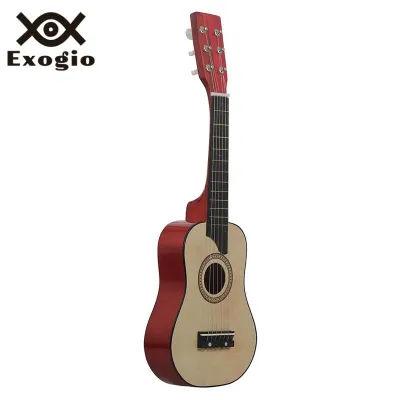
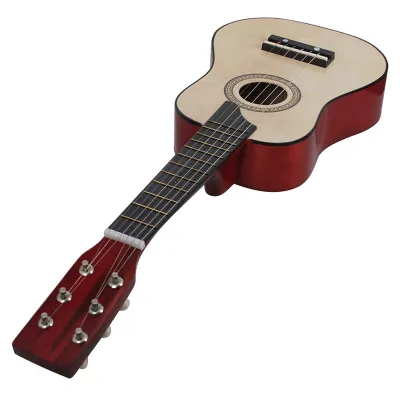
![[] Mini 23 Inch Basswood 12 Frets 6 String Acoustic Guitar with Pick and Strings for Kids / Beginners](https://img.lazcdn.com/g/p/ddbd561b8753079f2f9ec8ff0bbb40c9.jpg_400x400q80.jpg_.webp)

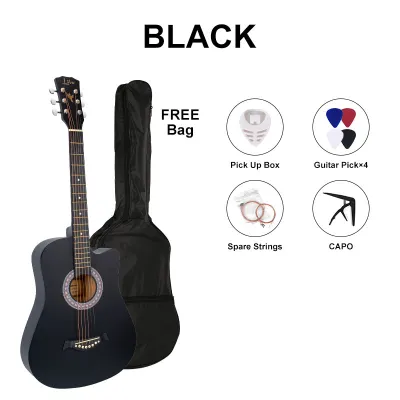
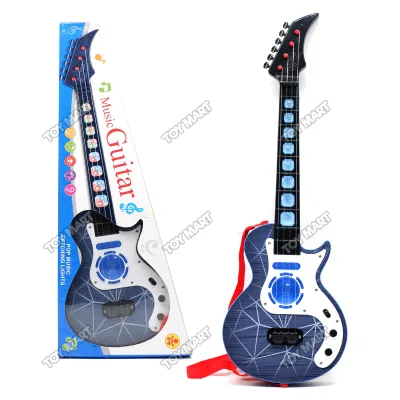
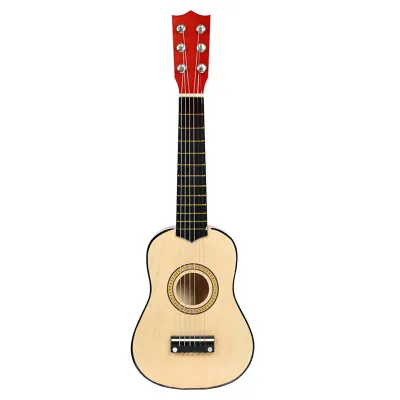
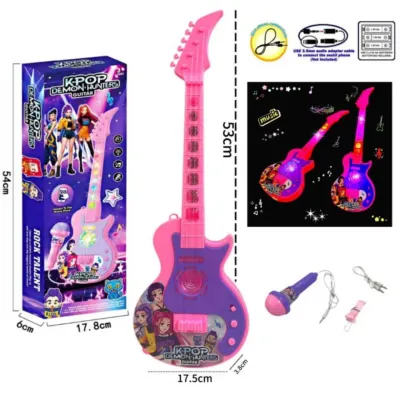
Prices are valid at publication and may change. Please refer to the product page for the latest price.
Scale length directly dictates how far apart the frets are spaced. A shorter scale length compresses this distance, meaning a child does not have to stretch their fingers excessively to hold down basic chord shapes. For a 7-year-old whose hand muscles are still developing, this smaller spacing makes the difference between clean notes and muted, buzzing strings.
Because there is no universal industry standard, definitions of “half” or “three-quarter” can vary significantly between manufacturers. One brand’s 1/2 size model might feature a scale length of 53 centimeters, while another’s might measure 55 centimeters. Consequently, verifying the exact specifications on the manufacturer’s spec sheet is essential before making a purchase.
How to Measure Your Child for the Correct Guitar Size
Determining whether a 1/2 or 3/4 size guitar is the better starting point requires a few simple physical measurements. Start by checking your child’s overall height. Most 7-year-olds fall within the range of 110 to 130 centimeters. As a general guideline, children under 120 centimeters tall usually find a 1/2 size guitar most comfortable, while those taller than 120 centimeters are often ready for a 3/4 size.

Next, evaluate their arm span by measuring from the shoulder to the fingertips. Have your child extend their arm naturally. When holding a guitar, they should be able to reach the first fret comfortably with a slight bend in the elbow. If they must lock their elbow or stretch their shoulder forward to reach the headstock, the instrument is too large.
Hand size and finger span also play a vital role in comfort. Observe how your child’s hand wraps around the neck of a sample instrument. Their fingers should easily curve over the fretboard, allowing the fingertips to press down on the strings vertically without muting adjacent strings.
Finally, perform a posture check during a test play. When sitting upright, the guitar’s body should rest comfortably on the child’s thigh without forcing their right shoulder upward to reach over the lower bout. Their left wrist should remain relatively straight and relaxed, avoiding extreme angles that can lead to strain or long-term injury.
Comparing 1/2 Size and 3/4 Size Guitars for a 7-Year-Old
Choosing between a 1/2 size and a 3/4 size guitar involves balancing immediate playability with physical growth. A 1/2 size guitar features a highly compact body and narrow fret spacing. This lightweight profile is ideal for smaller 7-year-olds, as it minimizes physical fatigue and allows them to focus entirely on rhythm and finger placement. Building early confidence is crucial, and a highly manageable instrument makes practice sessions much more inviting.
In contrast, a 3/4 size guitar offers a slightly larger body chamber, which naturally produces a richer, more resonant tone. The fret spacing is slightly wider, making it a suitable option for taller children or those who are transitioning quickly through growth spurts. While it requires a bit more physical reach, a 3/4 size instrument can often serve a child well into their pre-teen years.
When dealing with borderline cases where a child sits right between sizes, it is always best to prioritize ergonomic comfort over future-proofing. Parents are often tempted to buy a larger guitar so the child can “grow into it,” but this approach frequently backfires. A guitar that is too large causes physical discomfort, leading to frustration and a higher likelihood of the child giving up the instrument entirely.
Key Specifications to Check Beyond the Size Label
While the overall size fraction is a helpful starting point, several secondary physical specifications heavily influence how easy a guitar is to play. First, examine the neck profile and thickness. Necks with a slim, shallow profile are much easier for small hands to wrap around, allowing for better thumb placement and finger leverage.
Next, check the string action, which refers to the height of the strings above the fretboard. High action requires immense finger pressure to fret notes clearly, which causes rapid finger fatigue and pain. If you find a guitar you like but the action is too high, a local luthier or music shop in the Philippines can adjust it for a small service fee, often ranging from ₱500 to ₱1,500, making the instrument significantly easier to play.
Lastly, evaluate the body depth and overall weight of the guitar. A deep-bodied guitar can push a child’s arm into an awkward angle, while a heavy instrument can cause slouching. In tropical climates, lightweight laminate woods or composite materials are excellent choices because they resist humidity-induced warping while keeping the instrument light and comfortable on a child’s lap.
Frequently Asked Questions (FAQ)
Can a 7-year-old play a full-size (4/4) guitar?
It is highly discouraged to start a 7-year-old on a full-size (4/4) guitar. The physical dimensions of an adult instrument force a young child into unnatural, strained postures, requiring them to overextend their shoulder and bend their wrist at extreme angles. This makes proper technique development nearly impossible and can cause physical discomfort, quickly discouraging them from practicing.
Should I choose nylon strings or steel strings for a beginner?
For most 7-year-old beginners, nylon strings are highly recommended. Nylon strings, which are standard on classical guitars, are much softer and require significantly less tension to press down than steel strings. This minimizes initial finger pain and blisters, allowing young players to focus on learning chords and enjoying their practice sessions without physical discomfort.

Community discussion
Share your experience or ask a question. Comments are reviewed before publication.