
Choosing your first string instrument is an exciting milestone, but the decision between a guitar and a ukulele depends on your physical comfort, musical aspirations, and the time you can dedicate to practice. While both instruments share a similar fretted design, they offer different early-stage experiences. Understanding these differences before you invest your time and money will ensure you choose the instrument that keeps you motivated to play.
For absolute beginners, the ukulele is often praised for its immediate accessibility, while the guitar is celebrated for its broad musical versatility. There is no universal right answer, as the most suitable choice is the one that aligns with your personal goals. By evaluating a few key factors, you can confidently select the instrument that will launch your musical journey on the right note.
Assess Your Physical Comfort and Hand Size
Physical comfort is one of the most critical factors in determining whether a beginner sticks with an instrument or gives up in the first few weeks. The physical demands of the guitar and the ukulele differ significantly in terms of neck width, scale length, and string tension. A standard acoustic guitar features a wide, thick neck and six steel strings under high tension, which requires substantial hand strength and finger flexibility to press down cleanly. For beginners, this high tension often leads to temporary finger soreness and requires a period of building calluses on the fingertips.
Products mentioned in this guide
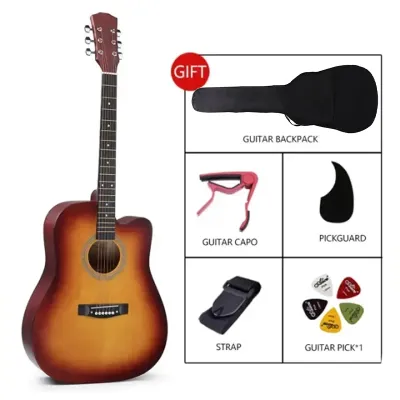
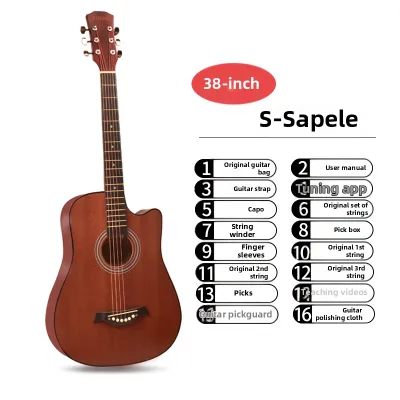
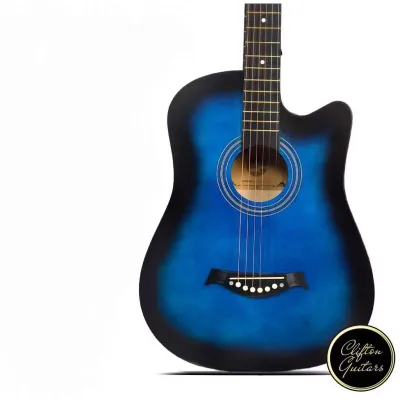
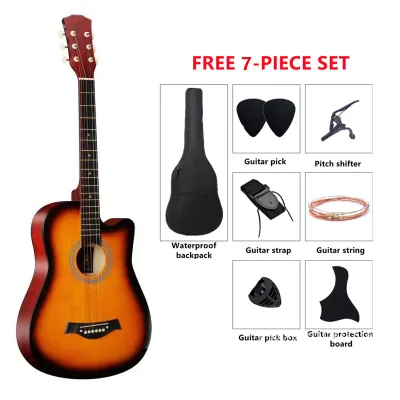
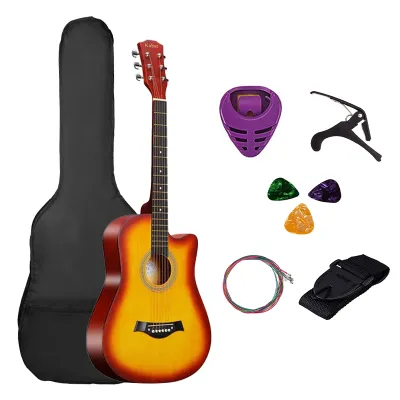
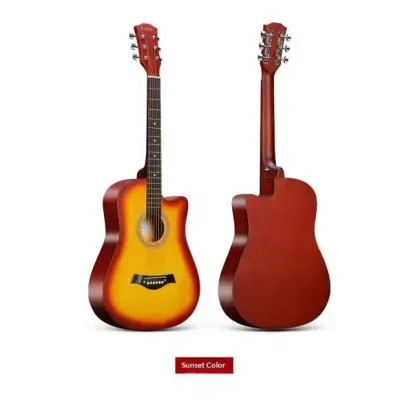
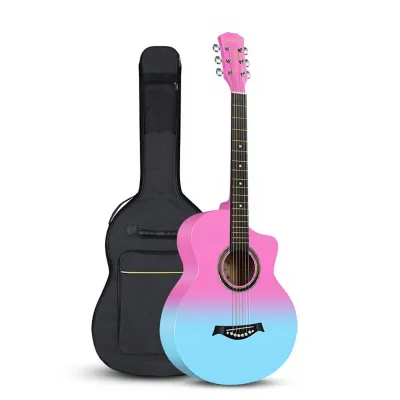
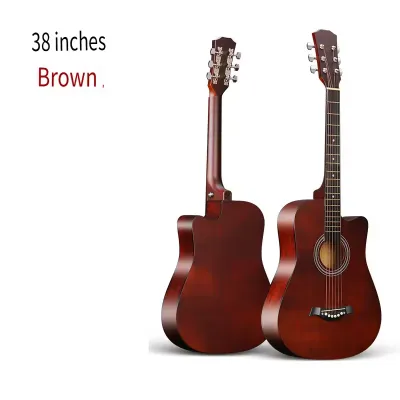
Prices are valid at publication and may change. Please refer to the product page for the latest price.
In contrast, the ukulele is much smaller, featuring a narrow neck and only four strings. These strings are made of flexible nylon, which has much lower tension than steel. Pressing down on nylon strings is significantly gentler on uncalloused fingertips, making the ukulele a highly accessible option for children, individuals with smaller hands, or anyone concerned about initial physical discomfort. The shorter fret spacing on a ukulele also means your fingers do not have to stretch as far to form basic chord shapes, reducing hand fatigue during long practice sessions.
Your local environment also plays a subtle role in physical comfort and instrument maintenance. In warm, tropical climates like the Philippines, high humidity and ambient heat can cause hands to sweat more during practice. Sweaty fingers can make steel guitar strings feel abrasive and accelerate string corrosion, requiring frequent wiping and maintenance. Nylon ukulele strings are highly resistant to sweat-induced rust and remain smooth to the touch, offering a more forgiving tactile experience during humid afternoons. If you have smaller hands or want to avoid the initial physical hurdle of steel strings, the ukulele provides a much gentler introduction to fretted instruments.
Define Your Musical Goals and Sound Preferences
While physical comfort is important, your musical taste should heavily influence your decision. The guitar and the ukulele produce distinct tonal profiles that suit different genres of music. The ukulele is famous for its bright, cheerful, and breezy tone, which naturally evokes a relaxed, acoustic vibe. It is an exceptional instrument for light pop strumming, folk tunes, and traditional island melodies. However, its small body limits its bass response and overall volume, meaning it cannot replicate the deep, resonant warmth of a larger instrument.

If you dream of playing a wide variety of musical styles, the guitar offers exceptional versatility. With its larger body and six strings, the guitar delivers a full-bodied, rich sound with a wide dynamic range and deep bass frequencies. It is the foundational instrument for countless genres, including rock, blues, jazz, classical, metal, and fingerstyle pop. If your ultimate goal is to play electric guitar solos, write complex fingerstyle arrangements, or accompany yourself with deep, resonant acoustic chords, starting with the guitar will directly connect you to the music you love.
Choosing an instrument that does not match your musical preferences can lead to a loss of motivation. If you choose the ukulele solely because it is easier physically, but your true passion lies in classic rock or classical fingerstyle, you may quickly find yourself frustrated by the instrument’s tonal limitations. Conversely, if you love simple, acoustic sing-alongs and value portability for beach trips or casual gatherings, the ukulele’s bright, portable sound is an excellent match. Align your choice with the specific songs and genres that inspired you to pick up an instrument in the first place.
Evaluate Your Learning Curve and Budget
The time commitment required to play your first song is another major differentiator. Because the ukulele has only four strings and a smaller fretboard, its basic chord shapes are incredibly simple. Many essential chords, such as C major or A minor, require only a single finger on the fretboard. This simplicity allows most beginners to learn a handful of chords and strum along to popular songs within their very first weekend of practice. The rapid progress provides an immediate sense of accomplishment, which is highly encouraging for new players.
The guitar presents a steeper initial learning curve. Managing six strings requires more complex finger coordination and greater hand strength. Standard beginner chords, such as G major, C major, and especially barre chords like F major, require multiple fingers to stretch across several frets while avoiding adjacent strings. Transitioning smoothly between these chords takes consistent practice, often requiring several weeks of daily dedication before a song sounds fluid. While the guitar is highly rewarding, it demands more patience and resilience during the first month of learning.
Budget is another practical consideration for beginners. Generally, entry-level ukuleles are more affordable than entry-level guitars. A reliable, well-constructed starter ukulele package in the local market typically ranges from ₱1,500 to ₱3,500. In comparison, a decent beginner acoustic guitar package that stays in tune and features comfortable action usually starts around ₱3,000 to ₱7,000. Ongoing maintenance costs also differ; because tropical humidity can warp wooden instruments, both require proper storage in padded gig bags with silica gel packs, but steel guitar strings will need more frequent replacement due to rust, adding to the long-term cost of ownership.
Make Your Final Decision: Which Instrument to Choose
To finalize your decision, look at how your physical preferences, musical goals, and budget align. The guitar is the ideal choice if you are patient, willing to push through initial finger soreness, and deeply committed to learning versatile genres like rock, blues, or classical. It is also the right fit if you want a full-bodied, resonant sound and have a slightly larger budget to invest in a quality starter instrument and ongoing maintenance.
The ukulele is the ideal match if you want a fast, encouraging learning curve with minimal physical discomfort. It is highly suited for budget-conscious beginners, travelers who value portability, and anyone who loves a bright, cheerful acoustic sound. If your main goal is to strum along to popular songs quickly and enjoyably, the ukulele offers the most direct path to that achievement.
Before making your purchase, visit a local music store if possible. Physically holding both instruments will give you an immediate sense of how the neck widths and body sizes feel in your hands. Check the store’s return policies and ask about beginner packages that include essential accessories. Whichever instrument you choose, look for structured online tutorials or local lessons to help guide your first steps and keep your practice sessions productive.
Frequently Asked Questions (FAQ)
Is it easier to transition from ukulele to guitar later?
Yes, starting with the ukulele builds a strong foundation that makes transitioning to the guitar much easier later on. The basic motor skills, rhythm, strumming patterns, and fretboard hand coordination you develop on the ukulele transfer directly to the guitar. Furthermore, the tuning of a ukulele is identical to the intervals of the top four strings of a guitar with a capo on the fifth fret, meaning several chord shapes are structurally similar. However, you will still need to adapt to the guitar’s wider neck, two additional bass strings, and significantly higher string tension when you make the switch.
Do I need to buy a tuner and capo for my first instrument?
Keeping your instrument in tune is absolutely essential for a good learning experience, so a tuner is an essential tool. While physical clip-on tuners are highly accurate and convenient for noisy environments, absolute beginners can start by using free mobile tuning applications. A capo, which clamps onto the neck to change the pitch of the strings, is not strictly necessary on day one. However, as your chord vocabulary expands, a capo becomes highly useful for changing keys to match your singing voice without having to learn complex new chord shapes.
Community discussion
Share your experience or ask a question. Comments are reviewed before publication.