
When you step into a music store or browse an online marketplace for your first acoustic guitar or ukulele, you will quickly notice that one material dominates the specifications: spruce wood. This pale, straight-grained softwood is the industry standard for instrument tops, serving as the acoustic engine of the instrument. For beginners, understanding why spruce is so highly regarded can demystify the buying process and help you choose an instrument that matches your musical goals.
Choosing your first instrument involves balancing budget, aesthetics, and sound quality. The wood used for the soundboard—the front face of the guitar or ukulele body—has the greatest impact on tone and volume. Spruce wood is uniquely suited for this role, offering a balance of strength, flexibility, and resonance that helps beginners produce clear, satisfying notes from their very first strum.
Understanding Spruce Wood in Instrument Making
To understand why spruce wood is the preferred choice for instrument soundboards, it helps to look at its physical structure. Spruce is a softwood characterized by an exceptional strength-to-weight ratio. This means the wood can be carved thin to remain highly flexible while still possessing the structural integrity to withstand the immense tension of tuned strings. The straight, uniform grain patterns of spruce allow sound waves to travel quickly and evenly across the surface, translating string vibrations into audible sound.
Products mentioned in this guide
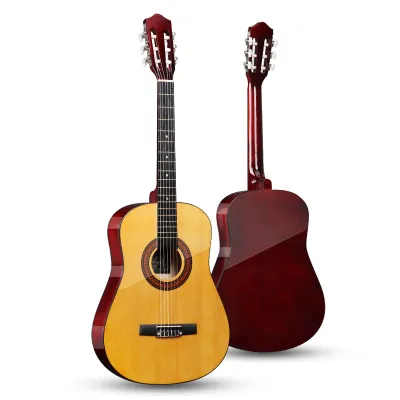
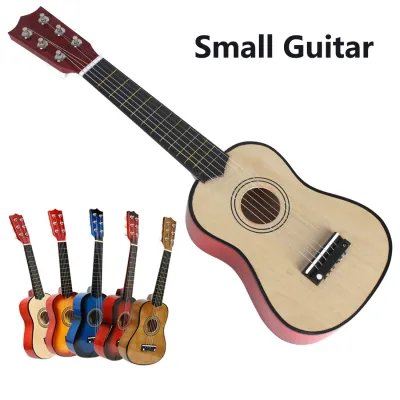
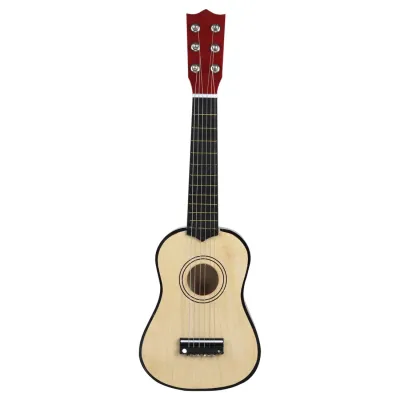
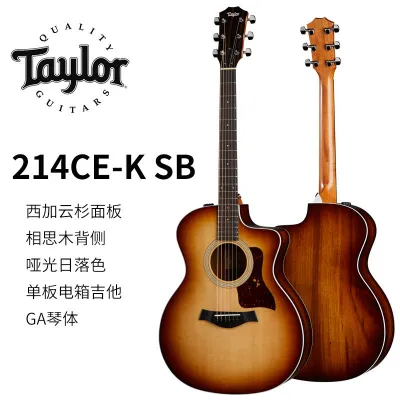
Prices are valid at publication and may change. Please refer to the product page for the latest price.
In acoustic instruments, the top wood, or soundboard, performs the heavy lifting of amplification. When you pluck a string, the vibration travels through the saddle and bridge directly into the soundboard. The top acts like a speaker cone, vibrating rapidly to push air out of the soundhole. While the back and sides of the guitar or ukulele reflect and shape the sound, the spruce top is responsible for the initial projection and clarity.
Identifying a spruce top visually is relatively straightforward, even for a beginner. Spruce typically features a pale, creamy-white to light-golden color, accented by fine, parallel grain lines running vertically down the face of the instrument. Over time, exposure to light and air can cause natural spruce to mature into a warm, amber hue. Manufacturers may apply a clear gloss, a smooth satin finish, or even a colorful sunburst paint over the wood, but the underlying straight grain lines usually remain visible under close inspection.
How Spruce Influences Tone and Projection
The acoustic profile of spruce wood is best described as bright, clear, and articulate. It produces strong fundamental tones, meaning the primary note you play is distinct and well-defined, with a balanced blend of overtones. This clarity makes spruce highly versatile, allowing individual notes to stand out clearly whether you are gently fingerpicking a melody or executing complex chord progressions. It also boasts a wide dynamic range, responding predictably to both a light touch and aggressive strumming.

One of the most fascinating characteristics of a solid spruce top is its ability to “open up” over time. As the wood is subjected to the continuous vibrations of regular playing, its cellular structure gradually becomes more flexible and resonant. This aging process can result in a richer, deeper tone with enhanced sustain and warmth. While this maturation is a gradual condition that depends on how often the instrument is played and how it is stored, it represents a rewarding long-term benefit for players who commit to their instrument.
The final sound of a spruce-topped instrument is not determined by the wood alone; it is a collaborative effort with the internal bracing and body size. Inside the body, wooden struts called braces support the spruce top against string tension while shaping its vibrational patterns. A larger body size, such as a dreadnought guitar, pairs with spruce to deliver powerful projection and deep bass. In contrast, a smaller concert or tenor ukulele utilizes the spruce top to emphasize crisp highs and immediate, punchy projection.
Comparing Spruce to Other Beginner-Friendly Tonewoods
When shopping for a beginner instrument, you will likely encounter other common tonewoods, most notably mahogany and cedar. Comparing these options helps clarify what makes spruce unique. While spruce is celebrated for its bright, punchy, and articulate voice, mahogany offers a warmer, woodier tone with a strong emphasis on the midrange frequencies. Cedar, often found on classical guitars, is softer than spruce and delivers a dark, sweet, and mellow sound that responds beautifully to a very light fingerstyle touch but can distort under heavy strumming.
These tonal differences are mirrored in the visual and structural characteristics of the woods. Mahogany is a dense hardwood with a dark reddish-brown color and open grain patterns, making it visually distinct from the pale, tight-grained face of spruce. Cedar presents a darker, reddish-tan complexion and is highly sensitive to scratches due to its soft nature. Choosing between them often comes down to aesthetic preference and how you plan to play your instrument.
Matching these wood characteristics to your preferred playing style can guide your decision. If you plan to play a wide variety of genres, from pop strumming to folk fingerpicking, the versatile and bright projection of spruce is an excellent starting point. If you prefer a softer, intimate sound for classical pieces or gentle acoustic ballads, cedar might be more appealing. For those seeking a focused, bluesy midrange with a rustic aesthetic, a full-mahogany instrument is a compelling alternative.
How to Evaluate a Spruce Top When Shopping
As you evaluate different models, the most critical distinction to make is between a solid spruce top and a laminate spruce top. A solid top is made from a single piece of wood sliced down the middle and joined together, offering superior resonance, volume, and the potential to mature over time. Laminate tops, often labeled as “spruce select” or simply “spruce,” consist of thin layers of wood pressed together with a spruce veneer on top. While laminates are highly durable and less sensitive to climate changes, they do not vibrate as freely or improve with age.
To verify whether an instrument has a solid or laminate top, check the manufacturer’s specifications carefully and perform a quick visual inspection. Look closely at the edge of the soundhole. On a solid spruce top, you will see the vertical grain lines run continuously through the edge and wrap into the soundhole. On a laminate top, the grain lines will stop at the surface, and you may see distinct layers of plywood or a solid color paint covering the edge of the soundhole cut.
Beyond the material type, inspect the physical quality of the spruce face. Look for straight, evenly spaced grain lines across the top, and check the finish for any bubbling, cracking, or uneven patches. While minor cosmetic variations and small color differences are normal in natural wood, the structural joints around the bridge and edges should be completely seamless. Finally, always prioritize how the instrument feels and sounds in your hands; a wood specification is a helpful guide, but actual playability and comfort are what will keep you practicing.
Frequently Asked Questions (FAQ)
Does a spruce top require special humidity care?
Yes, spruce wood is sensitive to environmental changes, particularly in tropical climates like the Philippines where humidity levels can fluctuate dramatically between rainy seasons and air-conditioned rooms. Extreme dryness can cause the wood to shrink and crack, while excessive moisture can cause it to swell, warping the top and raising the string action. To protect your instrument, it is wise to consult the manufacturer’s care guidelines for specific humidity recommendations. Utilizing a simple digital hygrometer inside your instrument case allows you to monitor conditions, and using a specialized case humidifier or dehumidifier packet can help stabilize the environment.
Is spruce wood equally suitable for ukuleles and guitars?
Spruce is highly suitable and widely used for both guitars and ukuleles, though its acoustic impact varies slightly due to the size of the instruments. On an acoustic guitar, the large soundboard allows spruce to showcase its full dynamic range, producing deep lows and sparkling highs with excellent projection. On a ukulele, the smaller body and shorter nylon strings mean the spruce top focuses primarily on delivering a bright, crisp, and punchy sound that cuts through clearly. When choosing between a spruce-topped ukulele or guitar, reviewing the specific model specifications and listening to sound samples will help ensure the bright, articulate voice of spruce aligns with your personal taste.

Community discussion
Share your experience or ask a question. Comments are reviewed before publication.