
Fully weighted keys on a digital piano use a mechanical hammer system to replicate the physical resistance, inertia, and feel of a traditional acoustic piano. Unlike spring-loaded keyboards, these keys require a similar amount of finger force to play, which is essential for developing proper finger strength and expressive control. Understanding this mechanism helps you choose an instrument that supports your musical growth and technique.
What "Fully Weighted" Actually Means in a Digital Piano
Acoustic pianos produce sound when a key is pressed, triggering a felt-covered wooden hammer to strike metal strings. This mechanical linkage creates a distinct physical resistance and inertia. Fully weighted digital pianos do not have strings, but they use actual metal hammers or levers attached to each key to simulate this exact mechanical behavior.
Many high-quality digital pianos feature graded weighting, also known as progressive hammer action. On an acoustic piano, the bass strings are thicker and require heavier hammers, while the treble strings are thinner and require lighter hammers. Graded weighting replicates this by making the keys on the lower end of the keyboard feel heavier to press than those on the higher end.
Products mentioned in this guide
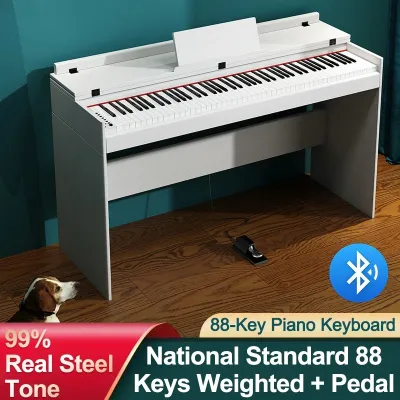
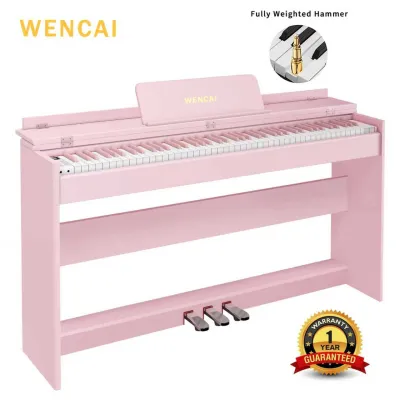
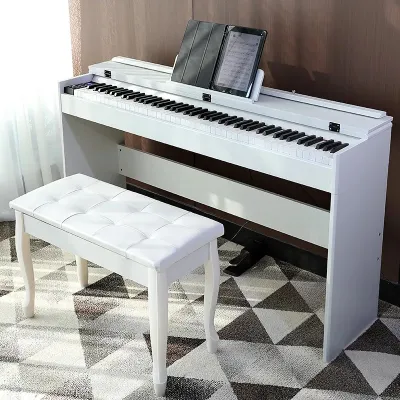
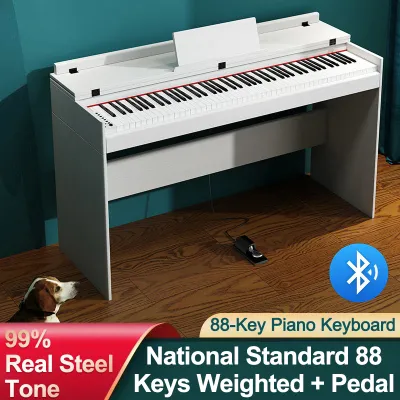
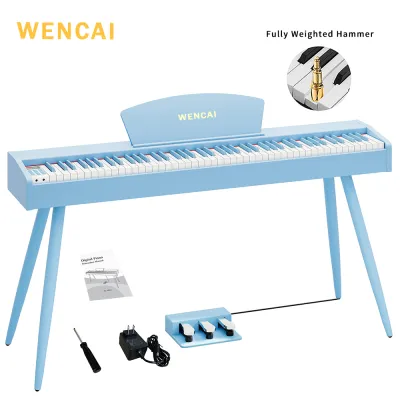
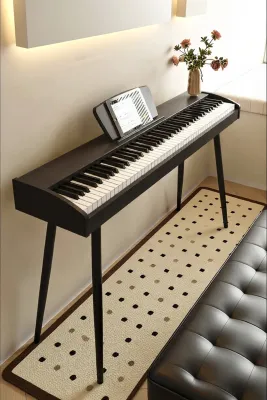
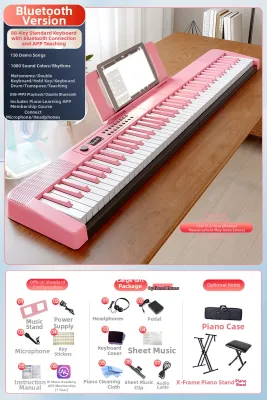
Prices are valid at publication and may change. Please refer to the product page for the latest price.
The physical key return on a fully weighted keyboard relies on gravity and the momentum of the hammer mechanism rather than springs. When you release a key, the hammer falls back into place, pushing the key upward naturally. This design provides realistic inertia, allowing players to execute rapid repetitions and subtle dynamic changes that are difficult to perform on spring-loaded keys.
How Weighted Keys Shape Your Technique and Playing Experience
Playing on fully weighted keys allows for a wide dynamic expression range, from a delicate whisper to a powerful strike. Because the keys resist your fingers naturally, you can control the speed of the key descent with high precision. This physical feedback is what translates your finger velocity into nuanced volume and tonal changes.

Developing muscle memory on a weighted keyboard is crucial if you plan to play on acoustic pianos in music schools, churches, or performance venues. If you practice exclusively on unweighted keys, your fingers will not develop the strength or control needed to press down the heavier keys of an acoustic instrument. This transition can be frustrating and may lead to inconsistent performances.
While fully weighted keys build finger strength, they can also cause initial finger fatigue during long practice sessions. In tropical climates like the Philippines, where high humidity can make hands feel sticky, having a keyboard with realistic resistance helps maintain control. Managing practice time and using proper hand posture will help you adapt to the physical resistance without straining your muscles.
Fully Weighted vs. Semi-Weighted vs. Synth Action: Choosing the Right Feel
Choosing the right keyboard action depends on your musical goals, budget, and portability needs.
- Fully Weighted Action: This action offers the highest resistance and uses physical hammers to mimic an acoustic piano. It is ideal for classical, jazz, and traditional piano students who prioritize authentic touch and technique development. However, these instruments are often heavy, bulky, and less portable.
- Semi-Weighted Action: This design combines light springs with small weights attached to the keys. It offers moderate resistance but lacks the realistic inertia of a hammer mechanism. It is suitable for casual players, gigging musicians who need a lightweight instrument, or those playing a mix of piano and synthesizer sounds.
- Synth Action: These keys are completely spring-loaded with almost no resistance. They return to their original position instantly, making them perfect for fast synthesizer leads, organ glissandos, and drum programming. They are highly portable and compact but are not suitable for learning classical piano technique.
When choosing between these options, consider where you will play. A fully weighted digital piano is excellent for a dedicated home practice space, even in humid environments where wooden acoustic pianos might warp. If you need to transport your instrument frequently for gigs or rehearsals, a semi-weighted keyboard offers a lighter, more portable compromise.
Key Specifications to Verify Before You Buy
When shopping for a digital piano, look beyond the “fully weighted” label and check the specific technical details in the manufacturer’s product manual or specification sheet.
- Escapement Simulation: Acoustic grand pianos have a release mechanism called an escapement, which lets the hammer fall back after striking the string even if the key is held down. This creates a subtle "click" or notch feel when pressing a key down slowly. High-end digital pianos simulate this escapement, allowing for better control during soft, quiet playing.
- Key Surface Texture: Standard plastic keys can become slippery, especially during warm afternoons. Look for keys with synthetic ivory or ebony textures. These matte surfaces absorb moisture and provide a better grip, preventing your fingers from slipping during complex passages.
- Pivot Length: The pivot point is the hinge inside the keyboard where the key rotates. If the pivot length is too short, playing near the back of the key (close to the fallboard) becomes extremely difficult and requires excessive force. A longer pivot length ensures consistent resistance across the entire visible surface of the key.
- Manufacturer Action Labels: Brands use proprietary names for their key actions, such as "Graded Hammer Standard" or "Progressive Hammer Action." Always verify the exact mechanism type on the manufacturer's official website to ensure it uses physical hammers rather than springs.
Frequently Asked Questions (FAQ)
Do beginners really need fully weighted keys?
Beginners who intend to learn traditional piano technique should start with fully weighted keys. Developing the correct finger strength, hand posture, and dynamic control from day one prevents the formation of bad habits that are difficult to correct later. However, if you are a casual hobbyist playing pop songs or synthesizer tracks, or if you have a limited budget, a semi-weighted keyboard can serve as a temporary starting point before upgrading.
Can I adjust the touch sensitivity on a fully weighted keyboard?
Yes, most digital pianos allow you to adjust the digital touch sensitivity, often referred to as velocity curves. This setting changes how the internal sound engine responds to your physical strike, making the sound louder or softer with less effort. However, adjusting this setting only changes the digital volume response; it does not physically alter the mechanical weight or resistance of the keys themselves.

Community discussion
Share your experience or ask a question. Comments are reviewed before publication.