
Choosing the right keyboard piano size is a critical first step that shapes your entire musical journey, your daily practice habits, and how comfortably the instrument fits into your living space. The decision rests on three main pillars: your musical goals, your available floor space, and how portable you need the instrument to be. By understanding how key counts affect both the physical footprint and the musical range of the instrument, you can avoid costly upgrades and select a model that supports your progress for years to come.
While a standard acoustic piano always has 88 keys, digital options commonly come in 61, 76, and 88-key configurations. Each size serves a distinct type of player, from the hobbyist producing electronic tracks in a compact studio to the dedicated student preparing for formal classical examinations. Evaluating your specific needs alongside physical room dimensions will ensure you make a practical, rewarding investment.
61, 76, or 88 Keys: Understanding the Physical and Musical Differences
To make an informed choice, you must first understand what these different key counts translate to in terms of octaves and physical space. An octave consists of 12 keys (seven white and five black). A 61-key keyboard piano covers exactly five full octaves, typically starting at C2 and ending at C7. A 76-key keyboard expands this range to just over six octaves, usually starting at E1 and ending at G7. A full-size 88-key instrument provides seven and a quarter octaves, starting at A0 and ending at C8, which perfectly mirrors the range of a traditional acoustic piano.
Products mentioned in this guide
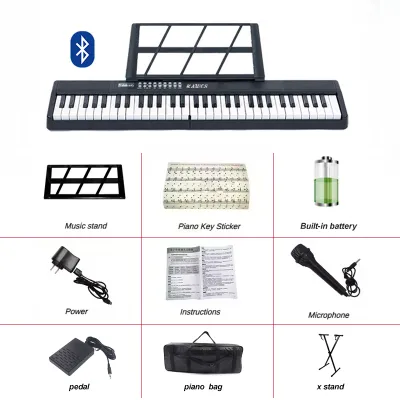
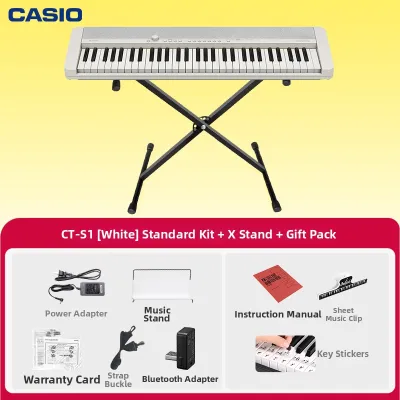
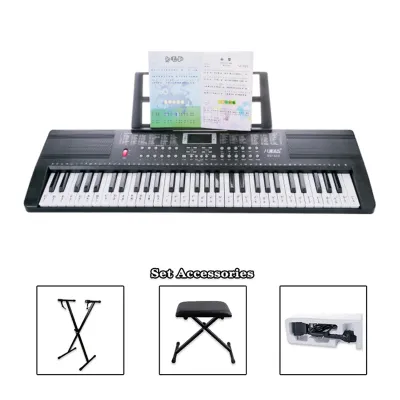
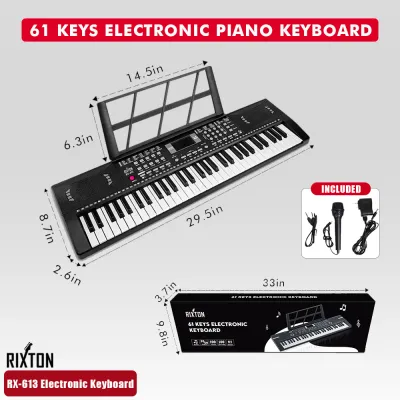
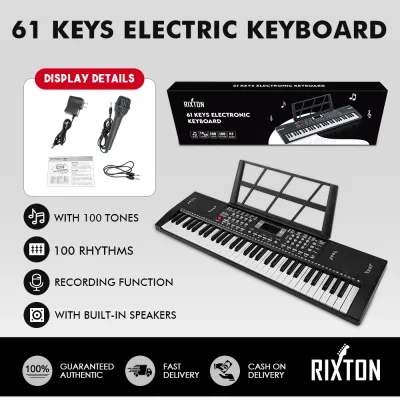
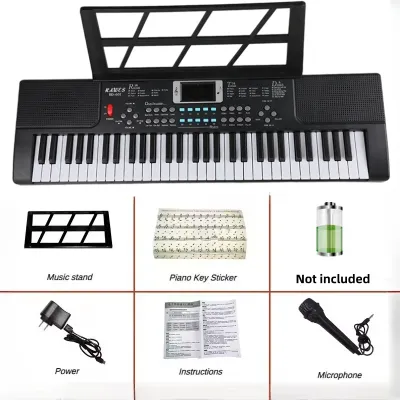
Prices are valid at publication and may change. Please refer to the product page for the latest price.
These differences in key count directly impact the physical width of the instrument. While exact dimensions vary by manufacturer and model design, a typical 61-key keyboard piano measures approximately 90 to 95 centimeters in width. Stepping up to a 76-key model increases the width to roughly 115 to 125 centimeters. A full 88-key digital piano requires a significant horizontal stretch, generally measuring between 130 and 140 centimeters. Knowing these general dimensions allows you to visualize how much wall space you will need to clear.
It is equally important to separate key count from key action, as these two specifications dictate both the price and the playability of the instrument. Key count determines the range of notes you can play, whereas key action refers to the physical feel and resistance of the keys. Keyboards generally feature synth-action (light and springy), semi-weighted (moderate resistance), or fully weighted hammer action (which simulates the physical hammers of an acoustic piano). Many smaller keyboards feature unweighted keys, while most high-quality 88-key models utilize fully weighted actions to provide an authentic playing experience.
How to Match Key Count to Your Learning Goals and Musical Style
Your musical aspirations should be the primary driver behind your choice of key count. Different genres and learning paths require different ranges, meaning a keyboard that is perfect for a music producer might frustrate a classical student within a few weeks of practice.

61 Keys for Beginners and Casual Players
A 61-key keyboard piano is highly suitable for absolute beginners, young children with smaller hand spans, and casual hobbyists who want to explore music without a massive upfront commitment. This size is incredibly popular for learning basic music theory, practicing simple chords, and mastering single-hand melodies. Because of its compact nature, it is also the standard choice for electronic music production, synthesizer work, and modern pop arrangements, where extreme high and low registers are rarely required.
If your primary interest lies in playing contemporary pop songs, writing lead sheets, or experimenting with digital audio workstations, 61 keys will provide more than enough range. However, you will find this size limiting if you attempt to play traditional solo piano literature, as many classical pieces require notes that extend beyond the five-octave limit.
76 Keys for Intermediate Players and Versatile Use
Offering a highly practical middle ground, the 76-key keyboard piano is designed for intermediate players, gigging musicians who require portability, and home studio producers with moderate space. This key count provides the extra range needed to play a much broader repertoire, including complex jazz arrangements, synth-pop, and contemporary classical pieces that occasionally dip into lower bass notes or higher treble highlights.
For musicians in the Philippines who perform at local venues or church services, a 76-key model offers an excellent balance. It provides enough range for expressive accompaniment without the cumbersome weight and length of a full 88-key instrument, making it much easier to transport in compact vehicles or public utility vehicles.
88 Keys for Advanced Students and Classical Pianists
An 88-key keyboard piano is an absolute necessity for classical piano students, advanced players, and anyone preparing for formal music examinations, such as those administered by the Associated Board of the Royal Schools of Music (ABRSM) or Trinity College London. Classical repertoire from the Baroque, Classical, and Romantic eras is written specifically for the full range of the piano, and attempting to practice these pieces on a smaller keyboard is highly impractical.
Beyond classical music, an 88-key instrument is essential for developing proper finger strength and expressive dynamics. Because almost all 88-key digital pianos feature fully weighted hammer action keys, they allow you to transition seamlessly to an acoustic grand piano without feeling a jarring difference in key resistance and control.
Measuring Your Room and Setup Space for a Keyboard Piano
Before finalizing your purchase, you must carefully measure your intended setup area to ensure the keyboard piano fits comfortably into your home. Start by measuring the available wall width, but do not stop there. You must also account for the depth of the keyboard (typically 30 to 45 centimeters) and the physical footprint of the stand you plan to use, as some heavy-duty stands flare outward at the base, requiring more floor space than the keyboard itself.
Seating clearance is another frequently overlooked dimension that can make or break your practice comfort. A standard keyboard bench requires at least 50 to 60 centimeters of depth behind the keyboard to allow for a proper, ergonomic playing posture. Furthermore, you must factor in the clearance needed for your body and the space required to push the bench back comfortably when standing up, ensuring you do not feel cramped against a wall or adjacent furniture.
If you live in a high-rise condominium or a townhouse with narrow stairwells, you must also plan the delivery path. Measure the width of your doorways, hallways, and elevator doors to ensure the instrument can be safely transported into your unit. Keep in mind that the shipping box of a digital piano is significantly larger and heavier than the instrument itself, requiring extra clearance for handling.
Environmental factors are particularly crucial when setting up an electronic instrument in a tropical climate like the Philippines. High humidity and extreme heat can damage internal circuit boards, warp plastic keys, and degrade the adhesive used in key sensors. Position your keyboard piano away from direct sunlight, open windows where sudden rain showers could blow in, and high-humidity areas like kitchen boundaries or bathrooms. Ensure the room has consistent ventilation to prevent moisture buildup inside the built-in amplifiers and speakers.
Managing Weight, Portability, and Stand Options for Different Sizes
The physical weight of your keyboard piano dictates how easily you can move it for gigs, rehearsals, or simple room cleaning. A typical 61-key keyboard is incredibly lightweight, usually weighing between 3 and 6 kilograms, making it easy to carry with one hand. A 76-key model generally ranges from 6 to 10 kilograms, which remains highly manageable for solo transport. In contrast, an 88-key digital piano with a fully weighted keybed can weigh anywhere from 11 to over 25 kilograms, requiring significant effort or a second person to move safely.
Choosing the correct stand is vital for both safety and playing comfort, and your choice should match the weight and size of your instrument:
- X-Stands: These are highly portable, adjustable, and folding stands. Single-braced X-stands are ideal for lightweight 61-key keyboards, while double-braced X-stands offer the extra stability required for 76-key models.
- Z-Stands: Offering excellent structural integrity and generous legroom, Z-stands are perfect for heavier 76-key keyboards and portable 88-key digital pianos. They prevent the lateral wobble that can occur during energetic playing.
- Fixed Wooden Stands: These custom-fit furniture stands are designed specifically for 88-key home digital pianos. They offer the highest level of stability, mimicking the solid feel of an acoustic upright piano, making them the safest choice for households with children or pets.
For those living in compact studio apartments, clever storage strategies can help maximize space. If you choose a lightweight 61-key or 76-key model, you can use a folding stand that allows you to pack the instrument away and slide it under a bed or desk when not in use. However, keep in mind that having to set up your instrument every time you want to play can create a mental barrier to practicing, so maintaining a dedicated, permanent setup is always highly recommended whenever possible.
Common Sizing and Space Mistakes to Avoid When Buying
One of the most common mistakes beginners make is purchasing a 61-key keyboard for a student who intends to pursue serious classical training. While this choice is often made to save money, the student will typically outgrow the five-octave range within the first year of lessons. This forces an expensive and early upgrade to an 88-key model, ultimately costing more than if they had invested in a full-size instrument from the start.
Another frequent error is focusing entirely on the key count while completely ignoring the key action. Many budget-friendly 88-key keyboards feature unweighted or semi-weighted keys. While these instruments provide the full physical range of a piano, they do not offer the resistance needed to build proper finger strength and technique. If you are learning traditional piano, always prioritize a weighted 88-key model over an unweighted one.
Many buyers also miscalculate their room space by measuring only the horizontal width of the keyboard. Forgetting to account for the depth of the keyboard bench, the player’s seating posture, and the necessary clearance behind the bench can result in a setup that blocks walking paths or forces the player into an uncomfortable, cramped position. Always map out the entire footprint on your floor using masking tape before making a purchase.
Finally, do not overlook power outlet locations and cable management in your planned setup area. Electronic keyboards require a reliable power source, and placing your instrument too far from an outlet can lead to unsightly extension cords running across the floor, creating serious tripping hazards. Always verify the voltage requirements of your keyboard (ensuring compatibility with the standard 220V power supply in the Philippines) and use a high-quality surge protector to safeguard your instrument’s delicate electronic components from sudden power fluctuations.
Frequently Asked Questions (FAQ)
Can I learn classical piano on a 61-key keyboard?
While you can learn basic music theory, note reading, and simple finger exercises on a 61-key keyboard, you cannot properly learn classical piano on one. Classical repertoire quickly demands a wider range of notes than a five-octave keyboard can provide. Furthermore, classical pieces require the nuanced dynamics and finger strength development that can only be achieved on an 88-key instrument with fully weighted hammer action.
Is a 76-key keyboard a good compromise for small apartments?
Yes, a 76-key keyboard serves as an excellent compromise for small living spaces. It typically saves about 15 to 20 centimeters of horizontal wall space compared to a standard 88-key digital piano, and it is significantly lighter and easier to move. It provides a broad enough range to play the vast majority of popular music, jazz, and early-to-intermediate classical pieces, making it highly practical for space-constrained homes.
Community discussion
Share your experience or ask a question. Comments are reviewed before publication.