
Choosing an 88-key keyboard goes beyond simply getting the full range of piano notes; the physical feel of the keys fundamentally shapes your playing experience. The key action—the mechanism that dictates how keys resist and return when pressed—determines whether an instrument feels like a traditional acoustic piano, a vintage electric piano, or a modern synthesizer. Understanding the differences between unweighted, semi-weighted, and weighted actions is the most critical step in finding an instrument that supports your specific musical goals, technique development, and physical comfort.
When shopping for a keyboard with 88 keys, you will encounter a wide variety of mechanical designs. Some instruments prioritize portability and rapid note triggering, while others focus entirely on replicating the heavy, expressive feel of a grand piano. Selecting the wrong action can lead to physical fatigue, technical limitations, or a mismatch with your preferred musical genres.
Why Key Action Matters on an 88-Key Keyboard
Key action refers to the mechanical design underneath the plastic or wooden key tops that dictates how much force is required to press a key down and how quickly it springs back into place. This resistance is not just about physical effort; it directly influences your dynamic control, allowing you to transition smoothly between playing softly and loudly. Without the proper resistance, executing subtle expressive nuances becomes incredibly difficult.
Products mentioned in this guide
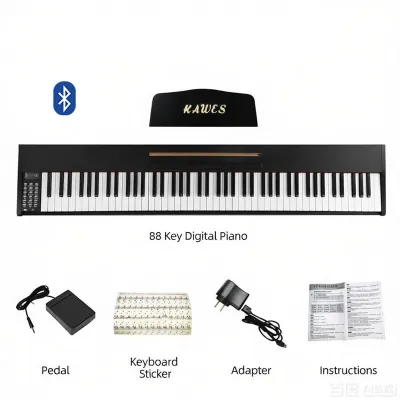
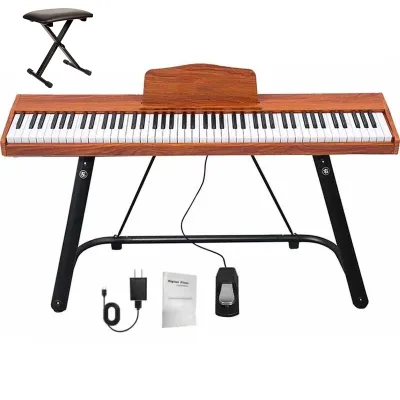
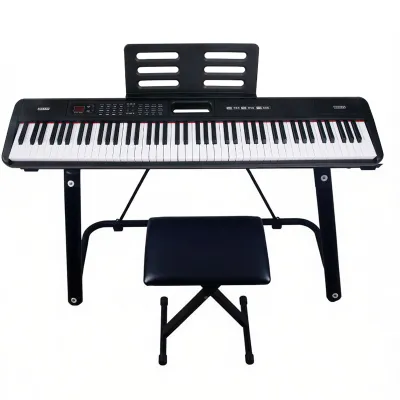
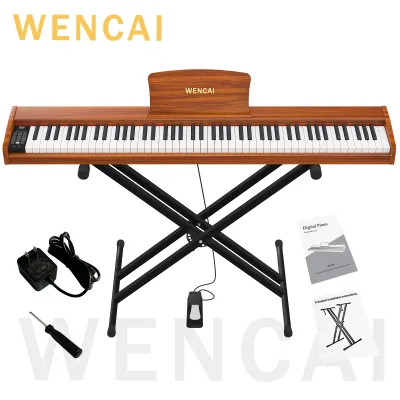
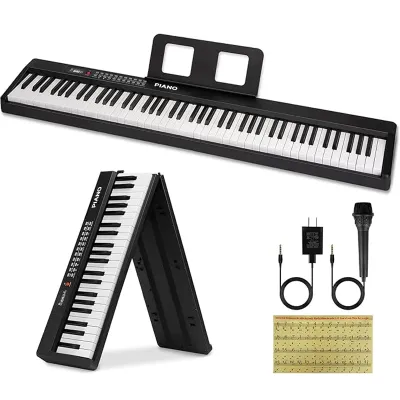
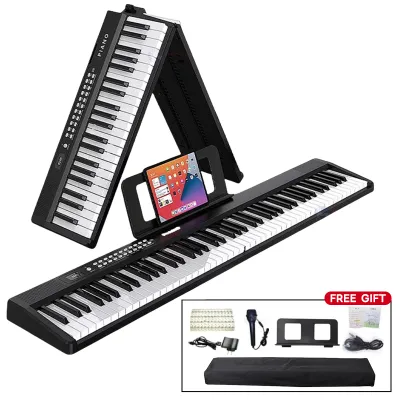
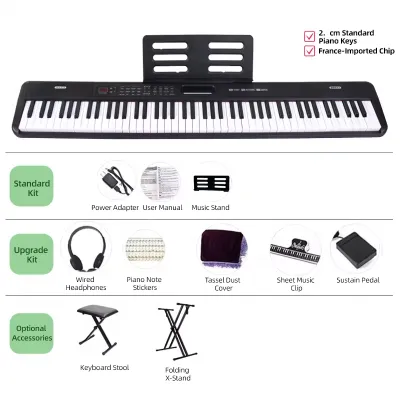
Prices are valid at publication and may change. Please refer to the product page for the latest price.
For those practicing on an 88-key layout, replicating the full range of an acoustic piano is often the primary goal. Developing finger strength and independence requires a key bed that fights back slightly, training the muscles in your hands and forearms. If you practice exclusively on keys that offer no resistance, transitioning to a real acoustic piano can feel jarring, exhausting, and physically demanding.
Conversely, playing on an action that is too heavy for your style can cause premature hand fatigue during long practice sessions or gigs. In tropical climates like the Philippines, where high humidity can sometimes affect the physical components of acoustic instruments, digital keyboards are highly popular alternatives. Ensuring the key action matches your physical tolerance and musical needs is essential for long-term playing comfort.
Unweighted Keys: Best for Synths and Fast Playing
Unweighted keys, often referred to as synth-action keys, utilize a simple spring-loaded mechanism to return the key to its resting position. When you press an unweighted key, you experience very little physical resistance. The key drops quickly and snaps back instantly, allowing for extremely rapid note repetition and effortless playing.

This rapid response makes unweighted keys the ideal choice for specific musical styles and workflows. Keyboardists who focus on playing fast synthesizer leads, executing smooth organ glissandos, or triggering drum samples in a home studio often prefer this light touch. It is also highly practical for music production setups where the keyboard serves primarily as a MIDI controller rather than a dedicated piano.
However, unweighted keys have significant limitations for traditional piano practice. Because there is minimal physical resistance, it is incredibly challenging to develop the finger strength needed for classical repertoire. Furthermore, the lack of mechanical feedback makes precise dynamic control difficult, as the keys do not provide the physical leverage required to micro-adjust the volume of individual notes.
Semi-Weighted Keys: A Balance for Multi-Instrumentalists
Semi-weighted keys offer a middle ground by combining a spring-loaded mechanism with added weights or stiffer springs. This design provides a moderate, consistent resistance that is noticeably heavier than a synthesizer but significantly lighter than a traditional acoustic piano. The result is a versatile key bed that attempts to bridge the gap between different playing styles.
This action is highly suited for gigging musicians and multi-instrumentalists who need to play a variety of sounds on a single instrument. If your performance setlist requires you to switch rapidly between acoustic piano chords, electric piano riffs, and fast synthesizer solos, a semi-weighted keyboard allows you to perform all three comfortably without feeling held back by keys that are too heavy or too light.
When shopping for a semi-weighted keyboard, it is crucial to check the manufacturer’s specifications carefully. Because there is no industry-wide standard for “semi-weighted,” the actual feel and resistance can vary dramatically between different brands and models. Some semi-weighted actions feel very close to unweighted synth keys, while others offer a stiffer, more substantial resistance that leans closer to a digital piano.
Weighted and Hammer-Action Keys: For the Authentic Piano Feel
Weighted and hammer-action keys are designed specifically to replicate the complex mechanical feel of an acoustic piano. Standard weighted keys use weights built into the key bed to create a uniform resistance across the entire keyboard. Hammer-action keys go a step further by incorporating actual mechanical hammers that swing upward when a key is pressed, simulating the physical leverage of an acoustic piano action.
Many premium digital pianos feature graded hammer action, which mimics the natural characteristics of an acoustic grand piano. On these instruments, the keys in the lower register feel heavier to press, while the keys in the higher register feel progressively lighter. This graded resistance is essential for classical students, serious piano players, and anyone aiming to develop proper finger independence and nuanced dynamic control.
While hammer-action keyboards offer the most realistic playing experience, they come with practical trade-offs. The complex mechanical parts make these instruments significantly heavier, bulkier, and more difficult to transport. If you plan to gig frequently, you will need to invest in a robust, heavy-duty keyboard stand capable of supporting the weight, and be prepared for a more demanding physical setup process.
How to Match Key Action to Your Playing Style and Goals
Choosing the right key action requires balancing your musical goals, physical setup, and budget. If you are a beginner focusing on music production, electronic beats, or synthesizer sounds, an unweighted or semi-weighted keyboard is often the most practical choice. These instruments are highly portable, budget-friendly, and perfectly suited for modern digital audio workstation workflows.
For dedicated piano students, classical players, and jazz musicians, a weighted hammer-action keyboard is non-negotiable. Developing the correct muscle memory and finger technique requires the physical feedback that only a hammer mechanism can provide. Practicing on anything lighter will hinder your progress and make transitioning to acoustic pianos highly difficult.
Before making a purchase, always verify the exact action type listed on the product specifications, as marketing terms can sometimes be misleading. Look for clear labels such as “graded hammer action” or “fully weighted.” Whenever possible, visit a local music store to test the physical feel of different key beds yourself, ensuring the resistance feels comfortable to your hands before committing to an instrument.
Frequently Asked Questions (FAQ)
Can I learn piano on an unweighted 88-key keyboard?
While you can learn the basic layout of the notes and music theory on an unweighted keyboard, it is not recommended for serious piano study. The lack of physical resistance prevents you from building the finger strength and muscle memory required to play an acoustic piano. If your goal is to play traditional piano music, investing in a weighted or hammer-action keyboard is essential for proper technique development.
Does a heavier key action mean better sound quality?
No, the physical weight of the keys does not dictate the internal sound quality or audio output of the keyboard. The key action is purely a mechanical system, whereas the sound is generated by the digital sound engine and samples inside the instrument. You can find budget-friendly keyboards with heavy hammer action and premium synthesizers with unweighted keys that both offer exceptional, professional-grade sound quality.

Community discussion
Share your experience or ask a question. Comments are reviewed before publication.