
The choice between a soft ukulele bag and a hard case depends entirely on how, where, and how often you transport your instrument. Soft bags offer lightweight convenience and are generally suitable for local, controlled environments where you maintain physical control of the instrument. Hard cases provide essential structural defense against crushing, drops, and unpredictable handling, making them necessary for frequent travel, flights, or rough conditions. Rather than looking for a single universal solution, you should evaluate your specific lifestyle, assess the physical differences in protection, and use a practical checklist to select the right ukulele bag case for your needs.
Understanding the Structural Differences in Ukulele Bags and Cases
To make an informed decision, you must first understand how these two protective options are built and how they respond to physical forces. A standard soft ukulele bag, often referred to as a gig bag, is typically constructed from woven synthetic fabrics like polyester, nylon, or canvas. The protective element in a soft bag is the internal foam padding, which ranges from a thin 5mm layer to a more substantial 20mm or 30mm barrier. This padding acts as a shock absorber, cushioning the instrument against minor bumps, scratches, and light surface impacts. However, because the outer shell is flexible, a soft bag offers virtually zero resistance to crushing forces. If a heavy object is placed on top of a soft bag, or if someone accidentally steps on it, the force is transmitted directly to the delicate wooden body of the ukulele.
In contrast, a hard case relies on a rigid, self-supporting outer shell. These shells are commonly manufactured from molded plastics (such as ABS), fiberglass, or traditional plywood wrapped in vinyl or leatherette. This rigid structure is designed to deflect and distribute heavy impacts away from the instrument. If a hard case is dropped or subjected to external pressure, the outer shell bears the load, preserving the empty space inside where the ukulele rests. The interior of a hard case is lined with dense foam or molded EPS (expanded polystyrene) covered in soft plush fabric, which holds the instrument securely in place and prevents it from shifting during transit.
Products mentioned in this guide

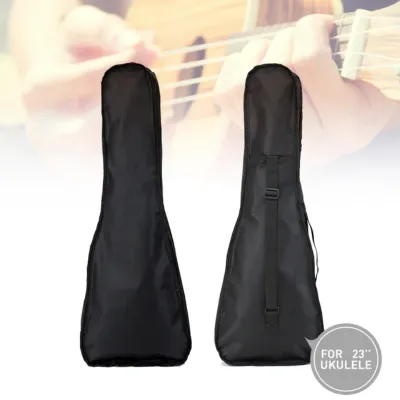
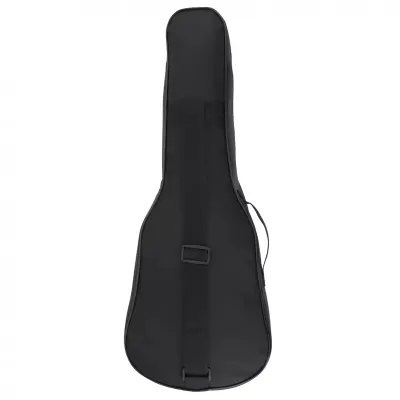
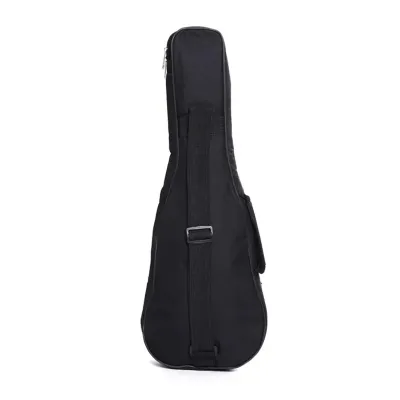
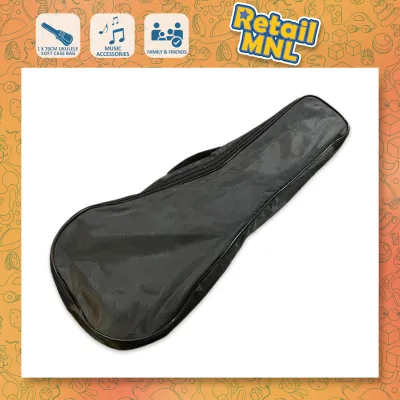
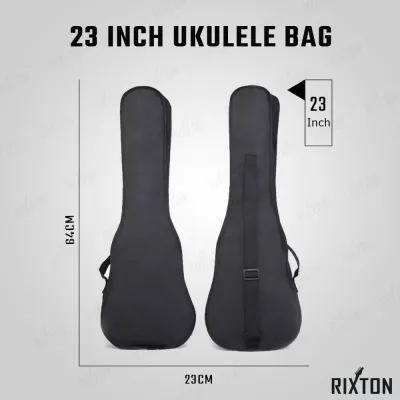
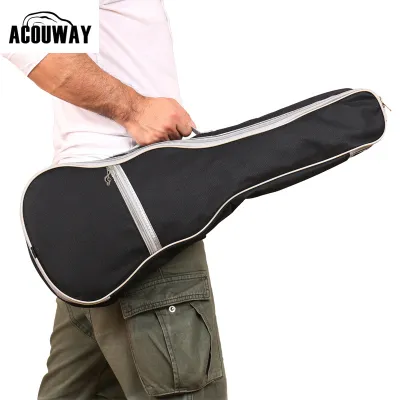
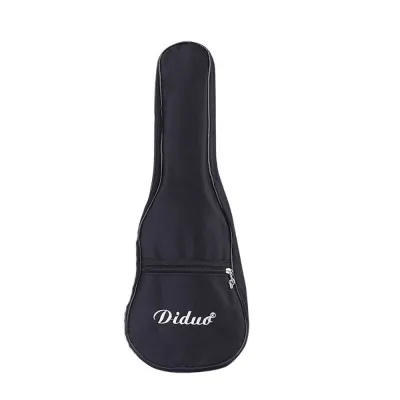
Prices are valid at publication and may change. Please refer to the product page for the latest price.
This structural difference highlights a fundamental trade-off between weight, bulk, and rigidity. A soft bag is exceptionally light, easy to fold away when not in use, and often features backpack straps that make it highly portable. A hard case, while offering superior defense, is significantly heavier, bulkier, and cannot be compressed. When selecting a case, you must verify the specific external and internal dimensions rather than assuming a uniform fit. Even within the same size category—such as concert or tenor—different ukulele brands have varying body depths, bouts, and headstock shapes that require careful measurement to ensure compatibility.
Matching Your Protection Choice to Real-World Scenarios
Your daily routine and local environment should dictate the level of protection your ukulele requires. For musicians navigating low-risk scenarios, a padded soft bag is often the most practical choice. If your travel consists primarily of walking to a local music school, driving your own car where the instrument can sit safely on a passenger seat, or taking controlled public transit where you can keep the bag on your lap, the lightweight nature of a gig bag is highly advantageous. In tropical climates like the Philippines, where sudden downpours are common, choosing a soft bag with a water-resistant nylon exterior and a rubberized base guards against damp ground and light rain during quick dashes between transit options like jeepneys or tricycles.

High-risk scenarios demand the uncompromising defense of a rigid hard case. If you travel frequently by air, checking your instrument as luggage is highly risky without a flight-certified hard case. Baggage handling systems and cargo holds subject items to intense stacking pressures and sudden drops. Similarly, if you frequently travel in crowded vehicles, tour buses, or pack your gear alongside heavy amplifiers and speaker cabinets for gigs, a soft bag will not survive the pressure. A hard case is also essential for outdoor festivals or crowded events where equipment is easily knocked over or stepped on by passersby.
Home storage conditions also play a critical role in this decision. If you live in a shared household with active pets, young children, or limited storage space where items are frequently stacked in closets, a soft bag leaves your instrument vulnerable. A curious pet or a falling household item can easily crack a ukulele stored in a gig bag. A hard case provides a secure, latchable sanctuary that can withstand accidental tip-overs and light stacking. Furthermore, in highly humid tropical environments, a closed hard case provides a more controlled microclimate than a breathable fabric bag, making it easier to manage moisture levels with dedicated desiccant packs or specialized instrument humidifiers.
Feature Checklist: What to Verify on the Product Label
When shopping for a ukulele bag case, relying solely on generic size labels like “soprano” or “tenor” can lead to a poor fit. Before finalizing your purchase, consult the manufacturer’s specification sheet or product label to verify several critical design elements.
First, examine the interior dimensions and compare them directly to your instrument’s physical measurements. Pay close attention to the overall length, upper bout width, lower bout width, and body depth. The instrument should fit snugly without forcing the zippers or latches closed. Look for dedicated neck support features, such as a padded neck cradle or a hook-and-loop strap. This support is vital because it stabilizes the neck and headstock, preventing the instrument from shifting vertically or horizontally inside the case, which can lead to broken tuning pegs or neck joint fractures during a fall.
Second, evaluate the carrying hardware and ergonomics. For soft bags, inspect the shoulder straps; they should be wide, well-padded, and securely stitched to the bag’s body with reinforced cross-stitching or heavy-duty metal D-rings. Cheap, thin straps can dig into your shoulders and are prone to tearing under sudden tension. For hard cases, check the handle construction. A molded, bolt-through handle is far more durable than a simple glued or riveted strap. Additionally, assess the pocket layout. If you need to carry tuners, spare strings, capos, or sheet music, ensure the bag or case has dedicated, secure compartments that prevent these hard accessories from coming into direct contact with the ukulele’s finish.
Finally, inspect the closure and sealing mechanisms. On a soft bag, look for heavy-duty, oversized zippers (often labeled as size #8 or #10) with dual metal pulls, as these are less likely to split or jam. The seams should feature piping or double-stitching to prevent fraying. On a hard case, examine the latches and hinges. High-quality cases feature drawbolt latches that pull the lid tightly against the rim, creating a firm seal. Verify that the hinges are securely riveted and operate smoothly without lateral play. If you plan to travel, look for latches that accommodate padlocks or feature integrated TSA-approved locks.
Making the Final Decision: Bag, Case, or Both?
To make your final decision, weigh your budget, travel habits, and the monetary or sentimental value of your ukulele. A soft bag is the logical choice if you operate on a tight budget, prioritize lightweight portability for short walks, and always keep your instrument within arm’s reach. It is an excellent match for entry-level laminate ukuleles that are naturally more resilient to minor environmental shifts and physical impacts.
A hard case is an indispensable investment if you own a high-value, solid-wood instrument, which is highly sensitive to physical impacts and environmental changes. You should opt for a hard case if your lifestyle involves air travel, cargo transport, or storing your instrument in environments where you cannot personally supervise how it is handled. While a hard case requires a higher initial financial outlay in Pesos (₱), it prevents costly repairs or the complete loss of a cherished instrument.
For many dedicated players, the ultimate solution is a dual-case strategy. This approach involves keeping your ukulele in a rigid hard case at home for secure storage, climate control, and long-distance travel. When it is time for a local practice session, a quick trip to a friend’s house, or an informal gathering, you can transfer the instrument to a lightweight, padded gig bag for easy carrying. This hybrid method ensures you always have the appropriate level of protection and convenience for any situation, preserving your instrument’s playability and finish for years to come.
Frequently Asked Questions (FAQ)
Can I use a padded guitar bag for my ukulele?
Using an oversized bag, such as one designed for a travel guitar or a child’s guitar, is highly discouraged for a ukulele. A proper fit is essential for instrument safety. In an oversized bag, the ukulele will slide around constantly during transport. This internal movement can cause the headstock to repeatedly strike the sides of the bag, leading to bent tuning keys, chipped finishes, or structural damage to the neck joint. Always select a bag specifically tailored to your ukulele’s size—whether soprano, concert, tenor, or baritone—to ensure the padding holds the instrument securely in place.
Do hard cases protect against humidity and temperature changes?
While a standard hard case provides a buffer against rapid environmental shifts, it is not completely airtight or insulated against extreme temperature and humidity changes. In tropical regions with high humidity, wood can swell, causing warped necks or lifting bridges. A hard case slows down the rate at which external air enters, giving you time to manage the internal environment. To protect sensitive solid-wood ukuleles, you should place specialized instrument humidifiers or silica gel packs inside the case’s accessory compartment and monitor the levels with a small digital hygrometer.
Is a gig bag with thick padding as safe as a hard case?
No, even a premium gig bag with exceptionally thick padding (such as 30mm of high-density foam) cannot match the safety of a hard case. Thick padding is excellent for absorbing shock from drops and preventing scratches, but it lacks structural rigidity. If a heavy object falls onto a padded bag, or if the bag is squeezed in a packed car trunk, the foam will compress, and the crushing force will be transferred directly to the ukulele. Only a rigid hard case can deflect crushing forces and prevent structural collapse.

Community discussion
Share your experience or ask a question. Comments are reviewed before publication.