
Starting your investment journey can feel overwhelming, especially with the sheer volume of financial advice available online. For young Filipinos looking to build long-term wealth, trading books offer a structured, reliable alternative to sensationalized social media videos and unverified online tips. The right literature provides a solid foundation, helping you understand how markets operate, how to manage risk, and how to protect your hard-earned capital before making your first trade.
Rather than looking for a shortcut to quick riches, a beginner should approach trading books as a long-term educational investment. Developing a deep understanding of market mechanics and financial analysis requires patience, critical thinking, and a structured reading plan. By focusing on high-quality, authoritative texts, you can develop the analytical skills needed to navigate both local and global financial markets with confidence.
How to Evaluate Trading Books for Beginners
When selecting your first trading books, the credentials of the author should be your primary consideration. Look for books written by seasoned market professionals, institutional traders, or academic experts with a verifiable track record in the financial industry. Authors who have worked within regulated financial institutions or have a history of managing professional portfolios generally offer more realistic and practical insights than self-proclaimed online gurus.
Products mentioned in this guide
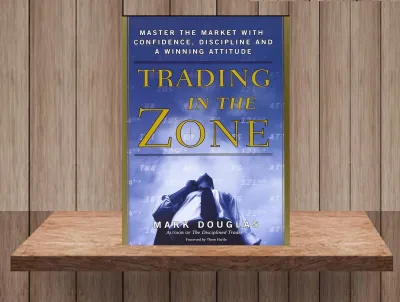
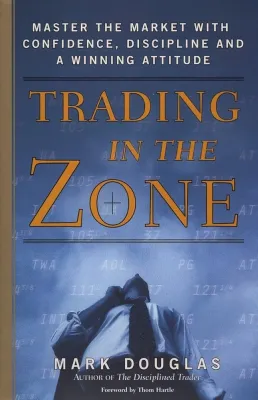
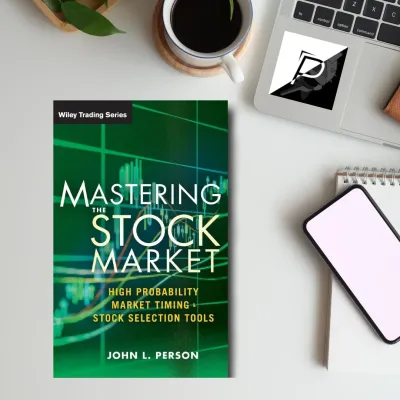
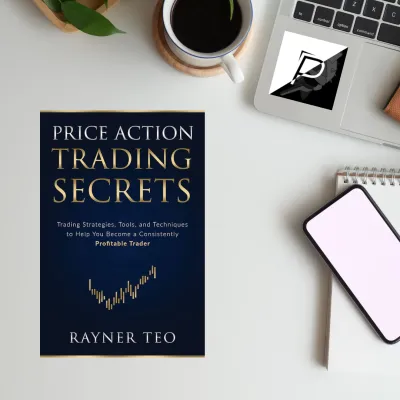

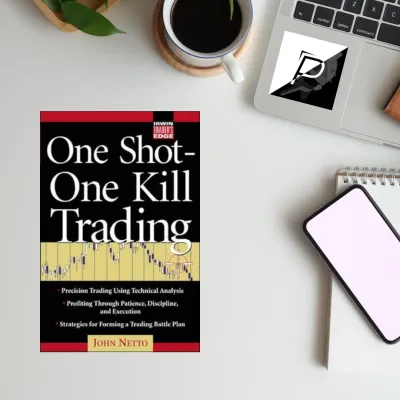
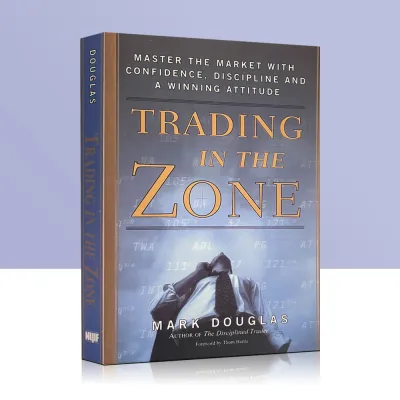
Prices are valid at publication and may change. Please refer to the product page for the latest price.
A high-quality trading book must strike a healthy balance between theoretical concepts and practical, real-world application. While understanding the mathematical theories behind market movements is valuable, a beginner needs to see how these concepts translate into daily trading decisions. Look for texts that include clear case studies, historical chart examples, and step-by-step explanations of trade execution and risk calculation.
The publication date and edition of the book are also critical factors to evaluate. Financial markets are dynamic, and the technological infrastructure, regulatory environments, and tax laws governing them change over time. A book written several decades ago may still offer timeless wisdom regarding trading psychology, but its technical instructions regarding order types, brokerage platforms, and transaction costs may be completely outdated. Always check if a newer, revised edition is available to ensure you are learning current market practices.
Finally, actively avoid books that rely on sensationalized marketing language or promise guaranteed financial returns. Any author claiming to have discovered a foolproof trading system or a secret formula for effortless wealth should be treated with extreme skepticism. Legitimate financial literature openly discusses the high risks associated with trading, emphasizes the inevitability of losses, and focuses heavily on capital preservation and risk management rather than overnight success.
Core Topics to Cover in Your First Investment Reads
Before committing any real capital to the market, your reading material must help you understand the fundamental distinction between long-term investing and active day trading. Long-term investing typically involves buying assets, such as stocks or mutual funds, and holding them for years or decades to benefit from compound interest and economic growth. Active trading, on the other hand, involves buying and selling financial instruments within short timeframes to profit from price volatility. Understanding where you sit on this spectrum will dictate your entire strategy and risk tolerance.

Your introductory books must also clearly explain basic stock market mechanics. You need to understand how stock exchanges function, how order books match buyers with sellers, and the specific roles of market makers and brokerages. Furthermore, you must master the different order types, such as market orders, limit orders, and stop-loss orders, as executing the wrong order type in a fast-moving market can lead to unexpected and costly losses.
Foundational risk management is perhaps the most critical topic your first books should cover. You must learn how to calculate position sizing, which determines how much of your total capital is allocated to a single trade. A good book will teach you the industry-standard rule of never risking more than a small percentage of your total portfolio on any single transaction. Additionally, you should learn about portfolio diversification, which involves spreading your investments across different sectors and asset classes to mitigate the impact of a downturn in any single industry.
Lastly, your reading should introduce you to fundamental analysis and market valuations. This involves learning how to read and interpret basic financial statements, including balance sheets, income statements, and cash flow statements. Understanding how to calculate and analyze key financial ratios, such as the price-to-earnings ratio, debt-to-equity ratio, and return on equity, will allow you to assess whether a company’s stock is overvalued or undervalued based on its actual business performance.
Building a Structured Reading Path
To avoid feeling overwhelmed by the vast amount of financial information available, it is highly beneficial to establish a structured, phased reading path. Phase one of your journey should focus entirely on personal finance foundations, budgeting, and debt management. Before you even consider opening a trading account, you must learn how to live within your means, eliminate high-interest debt, and build a robust emergency fund. In the Philippines, having an emergency fund equivalent to several months of living expenses is crucial to ensure that unexpected medical bills or household repairs do not force you to liquidate your trading positions prematurely.
Once your personal financial foundation is secure, you can transition to phase two, which covers market mechanics, fundamental analysis, and asset classes. During this phase, your reading should focus on how the broader economy works, how interest rates affect stock prices, and how to evaluate individual companies. This phase builds the analytical framework necessary to identify high-quality investment opportunities and understand the underlying value of the assets you are purchasing.
Phase three of your reading path should introduce technical analysis, chart reading, and trading psychology. Technical analysis involves studying historical price charts and volume data to identify patterns and trends that may predict future price movements. However, technical skills are useless without psychological discipline. Books focusing on trading psychology will teach you how to manage emotions like fear, greed, and impatience, which often lead beginners to make irrational decisions during periods of high market volatility.
To maximize the value of your reading, you should supplement your study with paper trading or simulated market environments. Many online brokerages and financial platforms offer free demo accounts that allow you to trade virtual money in real-time market conditions. By practicing the concepts, chart patterns, and risk management strategies you read about in a risk-free environment, you can build practical experience and confidence before risking your actual savings.
Where to Source and Verify Book Editions
When you are ready to purchase your trading books, it is important to compare local physical bookstores with authorized online retailers. Visiting established brick-and-mortar bookstores in major Philippine cities allows you to physically inspect the books, check the print quality, and verify the publication details. If you prefer shopping online, ensure you are purchasing from the official digital storefronts of reputable local booksellers or authorized international distributors to guarantee you receive genuine copies.
Always check for the most recent editions of your chosen books, particularly those that discuss tax laws, transaction fees, or regional market regulations. While global trading principles remain constant, the specific financial rules governing investments can vary significantly by country. Reading an outdated edition might lead you to make incorrect assumptions about tax obligations or transaction costs, which can directly impact your overall investment returns.
If you are on a tight budget, you do not need to purchase every book brand new. Consider utilizing local library networks, university libraries, or legitimate digital lending platforms. Many educational institutions and public libraries offer extensive collections of financial literature that you can borrow for free or for a nominal membership fee. Digital subscription services also provide legal access to vast libraries of financial textbooks and guides for a flat monthly rate.
Be highly vigilant against counterfeit prints and pirated digital copies, which are frequently sold on unverified e-commerce platforms and online marketplaces. These unauthorized copies are often riddled with printing errors, missing pages, and low-resolution charts that make technical diagrams completely unreadable. Furthermore, purchasing pirated material deprives authors of their rightful earnings and supports illegal operations. Always verify the publisher, check the ISBN, and purchase exclusively from trusted, authorized sources to ensure you are getting a complete, high-quality, and accurate text.
Frequently Asked Questions (FAQ)
Do I need to read books specific to the Philippine stock market?
The core principles of technical and fundamental analysis are universal and apply to financial markets worldwide. Whether you are analyzing a stock listed on the Philippine Stock Exchange or an international exchange, the methods for reading price charts, evaluating balance sheets, and calculating risk remain identical.
However, you must supplement these universal principles with local market knowledge. The Philippine Stock Exchange has its own unique trading hours, board lot systems, transaction taxes, broker commission structures, and clearing fees. While global books will teach you how to trade, you must consult official local regulatory guidelines and brokerage resources to understand the specific rules and costs of trading in the Philippines.
Are audiobooks effective for learning trading concepts?
Audiobooks can be incredibly effective for learning about trading psychology, market history, and general personal finance mindsets. Listening to experienced investors share their personal journeys, successes, and failures is an excellent way to absorb valuable conceptual knowledge during your daily commute or while doing household chores.
However, audiobooks have severe limitations when it comes to technical analysis, mathematical formulas, and chart reading. It is extremely difficult to visualize complex chart patterns, candlestick formations, or mathematical equations purely through audio. For highly technical subjects, physical books or high-resolution digital editions with clear visual diagrams are far more effective learning tools.

Community discussion
Share your experience or ask a question. Comments are reviewed before publication.