
Selecting the right trading books to learn stock market investing requires a careful balance between universal financial principles and the specific operational realities of the Philippine Stock Exchange (PSE). For Filipino beginners, the ideal reading list combines international classics on trading psychology and technical analysis with locally authored guides that navigate the unique regulatory, tax, and structural landscape of the domestic market. By focusing on books that match your current learning stage, you can build a solid theoretical foundation and avoid costly practical errors when transitioning to live trading.
While global financial literature offers timeless wisdom on market behavior, reading without local context can lead to major setbacks. The mechanics of buying and selling stocks in Manila differ significantly from those in New York or London. Establishing a structured study plan, verifying the authenticity and edition of your books, and understanding how to apply global concepts to local market dynamics are critical first steps toward becoming a successful investor.
Why Local Context Matters in Stock Market Books
Many beginner investors in the Philippines start by reading popular Wall Street trading books, only to face immediate confusion when they open a local brokerage account. The structural differences between foreign markets and the PSE are substantial. For instance, while US markets allow fractional share investing and single-share purchases, the PSE operates on a strict board lot system. This system dictates the minimum number of shares you can buy or sell based on the stock’s current price range, meaning you cannot simply buy a single share of a high-priced local conglomerate.
Products mentioned in this guide

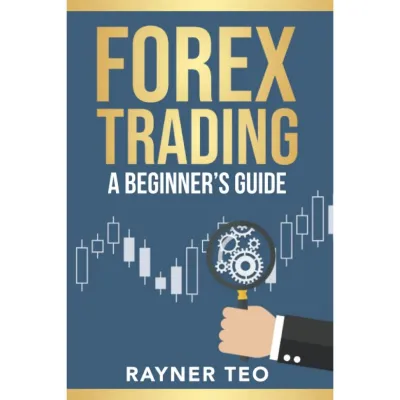
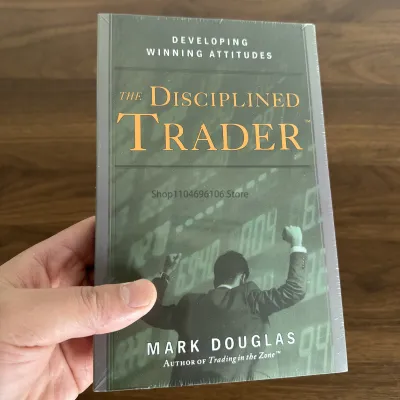
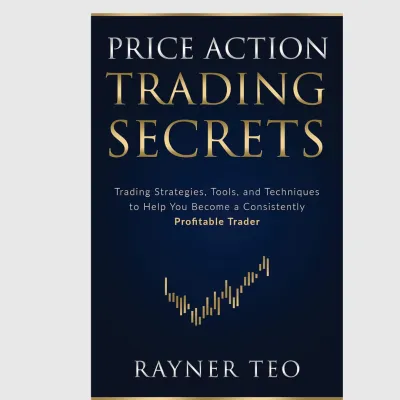
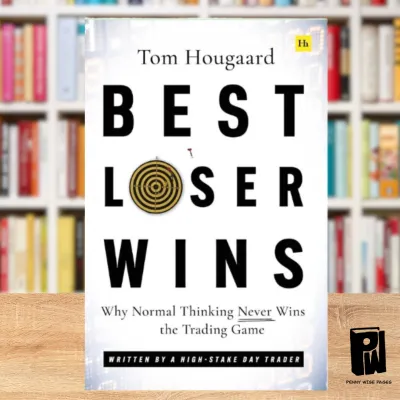

Prices are valid at publication and may change. Please refer to the product page for the latest price.
Market liquidity and trading hours also require distinct strategies. The PSE typically operates on a shorter trading schedule compared to major global exchanges, and its overall daily trading volume is significantly lower. This lower liquidity means that aggressive day-trading strategies, high-frequency scalping, or complex options trading methods detailed in foreign books are often impractical or highly risky in the local market. Attempting to apply these fast-paced strategies to thinly traded local stocks can result in getting stuck in positions with no buyers available when you want to exit.
Transaction costs present another critical area where foreign books can mislead local beginners. In the Philippines, every stock transaction is subject to a variety of fees, including broker commissions, value-added tax (VAT), clearing fees, and a stock transaction tax of 0.6% on the gross selling price. These frictional costs can quickly erode the profits of short-term traders. Books written specifically for the Philippine market help you calculate these exact overhead costs, guiding you to choose trading styles—such as swing trading or position trading—that remain profitable after accounting for local taxes and fees.
Core Criteria for Choosing Beginner-Friendly Trading Books
Before purchasing any trading book, it is essential to evaluate its suitability using a clear set of criteria. This prevents you from wasting money on resources that are either too advanced, outdated, or irrelevant to your goals.

- Readability and Jargon Control: A high-quality beginner book should explain complex financial concepts in plain, accessible language. Avoid books that read like academic textbooks or rely heavily on dense institutional jargon without defining terms. Look for authors who use clear analogies, step-by-step breakdowns, and visual aids to explain metrics like price-to-earnings (P/E) ratios or moving averages.
- Edition, Publication Date, and Relevance: Financial regulations, tax laws, and digital trading platforms change over time. Before buying, verify the publication date and edition of the book. A guide written over a decade ago may reference obsolete PSE rules, defunct brokerage firms, or deprecated charting software. Look for recent editions that reflect the modern digital landscape, including mobile trading apps and updated tax structures.
- Author Credibility and Licensing: The rise of social media has made it easy for self-proclaimed financial gurus to publish books without real-world credentials. Prioritize books written by authors with verifiable track records, recognized financial advocacy, or professional credentials. Look for writers who are SEC-licensed securities representatives, Registered Financial Planners (RFP), Chartered Financial Analysts (CFA), or experienced fund managers with years of clean professional history.
- Practical Applicability: The best books do not just teach abstract theory; they provide actionable steps. A practical guide should walk you through the actual process of getting started, such as how to evaluate and select an SEC-licensed online broker, how to fund your account, and how to execute your first buy and sell orders on a local platform.
- Device Compatibility and Layout: If you prefer digital editions, verify that the book's file format (such as EPUB or PDF) is fully compatible with your specific e-reader or tablet. Technical analysis books contain detailed charts and graphs; ensure your device's screen size and resolution can display these visual elements clearly without clipping or blurring the text.
Essential Book Categories for Your Stock Market Journey
To build a comprehensive understanding of the market, your reading list should cover three distinct areas: local market mechanics, analytical methods, and trading psychology. Balancing these categories ensures you understand how the market works, how to choose your investments, and how to manage your emotions.
Understanding the Philippine Stock Exchange (PSE) Basics
Your investing journey should always begin with books that explain the foundational mechanics of the local market. These books introduce you to the Philippine Stock Exchange Index (PSEi), which tracks the performance of the 30 largest and most actively traded companies in the country. Understanding how this index represents the broader economy helps you contextualize the movement of individual stocks.
Local introductory books are also invaluable for integrating stock market investing into your broader personal finance strategy. Experienced local authors emphasize that you should never invest money needed for daily living expenses, medical emergencies, or immediate bills. They guide you through the process of building a solid financial foundation—such as establishing an emergency fund of three to six months’ worth of living expenses and clearing high-interest debts—before you allocate capital to the stock market.
When choosing books in this category, look for titles written by established local financial educators. These guides explain the specific tax implications of investing in the Philippines, such as how cash dividends are taxed and how the stock transaction tax is applied when you sell shares. This foundational knowledge ensures you do not make costly administrative or regulatory mistakes early on.
Fundamental vs. Technical Analysis for Beginners
Once you grasp the basics, you must decide how you will analyze stocks. Books in this category generally split into two main philosophies: fundamental analysis and technical analysis. Beginners should understand both before deciding which style aligns better with their personal goals and daily schedule.
- Fundamental Analysis: This approach focuses on evaluating a company's intrinsic value. Books on fundamental analysis teach you how to read corporate financial statements, including the balance sheet, income statement, and cash flow statement. You will learn to assess a company's revenue growth, debt levels, and profit margins. In the Philippine context, these books help you analyze the large, family-owned conglomerates that dominate the local market, teaching you how to evaluate corporate governance and domestic economic indicators like inflation and interest rates.
- Technical Analysis: This approach focuses on studying market action through price charts and volume indicators to predict future price movements. Technical analysis books teach you to identify support and resistance levels, trendlines, candlestick patterns, and technical indicators like moving averages or the Relative Strength Index (RSI). While charting principles are universal, local authors will show you how to apply them to the lower-volume environment of the PSE, helping you identify genuine trends and avoid low-liquidity traps.
Trading Psychology and Risk Management
Many beginner traders fail not because they lack technical knowledge, but because they cannot control their emotions. Books dedicated to trading psychology and risk management are arguably the most important resources you will read, as they teach you how to preserve your capital and maintain emotional discipline during market volatility.
These books teach critical risk-preservation techniques, such as position sizing and setting strict stop-loss orders. Position sizing ensures you never risk too much of your total capital on a single trade. For example, a standard risk management rule is never to risk more than 1% to 2% of your total portfolio value on any individual trade. Setting a stop-loss order automatically exits a losing position at a predetermined price, preventing a small, manageable loss from turning into a catastrophic financial blow.
In addition to technical risk formulas, these books address the psychological traps that affect all traders, such as the Fear of Missing Out (FOMO), revenge trading, and overconfidence. Because human psychology is universal across all financial markets, global bestsellers in this category are highly applicable to Filipino traders. These books will guide you in writing a personalized, rules-based trading plan that removes emotional decision-making from your daily routine.
Where to Find and Verify Authentic Financial Books in the Philippines
With the rise of online marketplaces, it has become increasingly important to verify the source and authenticity of your books before making a purchase. Buying pirated or unauthorized copies poses significant risks to your learning process and digital security.
To ensure you receive complete, high-quality editions, purchase physical books from major local bookstore chains or their official online portals. If you prefer shopping on e-commerce platforms, always look for the official flagship stores of established publishers and distributors. Many prominent local financial authors also sell their books directly through their personal, secure websites or at the end of their educational seminars.
Avoid purchasing suspiciously cheap physical copies or downloading free PDF versions from unauthorized websites. Pirated physical books often suffer from poor print quality, missing pages, or completely illegible technical charts—which can make learning chart patterns nearly impossible. Furthermore, downloading unauthorized PDFs from unverified online sources exposes your computer or mobile device to security risks, including malware and phishing scripts designed to compromise your personal data and online banking credentials.
Always verify the following details before completing your purchase:
- Publisher and Edition: Check that the book is the latest revised edition to ensure the information is current.
- Format and Compatibility: If buying an ebook, confirm the file format is compatible with your e-reader model (e.g., Kindle, Kobo, or mobile app).
- Authorized Seller Badges: Look for verification badges on e-commerce platforms to confirm the seller is an authorized distributor.
Building Your First Reading List and Study Plan
Buying trading books is only the first step; to truly benefit from them, you need a structured study plan that translates reading into practical, low-risk experience. Reading in a logical sequence prevents information overload and helps you build a cohesive understanding of the market.
Start your study plan by reading books on personal finance and PSE basics to ensure your finances are stable and you understand how the local exchange operates. Next, read introductory books on fundamental and technical analysis to determine which style fits your personality and schedule. Finally, study trading psychology and risk management to learn how to protect your capital before making your first trade.
As you read, pair your learning with practical, risk-free practice. Many online brokerages in the Philippines offer stock market simulators or paper trading accounts. These platforms allow you to practice entering orders, analyzing charts, and applying risk management rules using virtual money. This hands-on practice helps you build confidence and identify gaps in your understanding without risking your hard-earned Philippine Pesos.
Keep in mind that trading books are educational tools designed to build a strong foundation, not guaranteed formulas for instant wealth. The stock market requires patience, continuous learning, and discipline. By studying high-quality, authentic books and practicing systematically, you can navigate the market safely and work toward your long-term financial goals.
Frequently Asked Questions (FAQ)
Do I need to read books in Tagalog to understand the Philippine stock market?
No, you do not need to read books in Tagalog to understand the local market. While some local authors write in Tagalog or Taglish to make personal finance concepts highly accessible, the vast majority of comprehensive technical and fundamental analysis literature is published in English. The PSE operates primarily in English; corporate financial statements, public disclosures, and online brokerage interfaces are all presented in English. You should choose books in the language that maximizes your personal comprehension and comfort.
Are free PDF trading books online safe and legal to use?
Generally, no. Unauthorized free PDFs of copyrighted trading books found on public forums or file-sharing sites are illegal reproductions. In addition to violating copyright laws, downloading these files poses significant security risks, as they are frequently used as bait to distribute malware, spyware, or ransomware. Furthermore, pirated PDFs are often outdated editions that lack critical revisions, or they may contain low-resolution, corrupted charts that hinder your learning. It is always safest and most reliable to support authors by purchasing genuine editions through authorized channels.
How often should I update my trading book library?
You do not need to constantly buy new books, but you should distinguish between timeless principles and platform-specific guides. Books focusing on trading psychology, risk management formulas, and basic fundamental valuation math are timeless and rarely need updating. However, books that detail specific brokerage platform interfaces, local tax rates, or PSE listing rules should be cross-referenced with current SEC and PSE guidelines every couple of years, as regulatory frameworks and digital trading tools evolve regularly.
Community discussion
Share your experience or ask a question. Comments are reviewed before publication.