
Choosing your first personal finance book is a critical step toward financial independence. If you are standing in a local bookstore or browsing an online marketplace in the Philippines, trying to decide between George S. Clason’s The Richest Man in Babylon and Robert T. Kiyosaki’s Rich Dad Poor Dad, the choice comes down to your immediate financial needs. For those struggling to keep a portion of their monthly salary or dealing with high-interest consumer debt, The Richest Man in Babylon offers the foundational habits required to build a financial baseline. Conversely, if you have already mastered basic budgeting and want to understand how to make your money work for you through investments and business, Rich Dad Poor Dad provides the necessary mindset shift.
Both books have achieved legendary status worldwide, yet they approach the concept of wealth from entirely different angles. One focuses on the slow, disciplined accumulation of capital through consistent saving, while the other advocates for a radical shift in how you view income, employment, and assets. Understanding these differences will save you time and help you apply the right lessons to your current financial situation.
Core Financial Philosophies Compared
To understand which book suits you, it is essential to contrast their core philosophies. The Richest Man in Babylon uses ancient parables set in historical Babylon to deliver timeless financial truths. The core philosophy centers on self-reliance, disciplined saving, and wealth preservation. Its most famous rule, “pay yourself first,” mandates saving at least ten percent of everything you earn before paying bills or buying daily necessities. It teaches readers to live within their means, protect their principal capital from risky ventures, and avoid the trap of bad debt. The book treats wealth accumulation as a slow, steady process built on consistent personal discipline.
Products mentioned in this guide
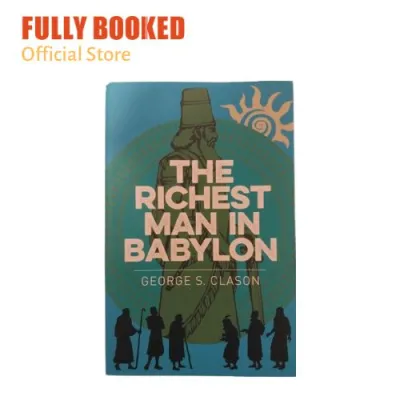
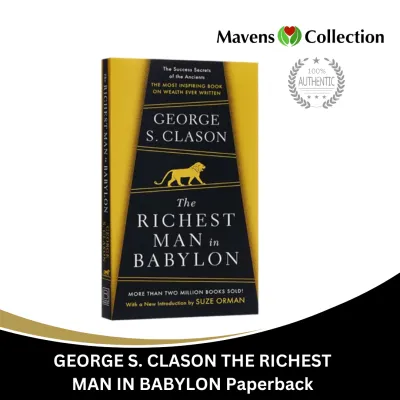
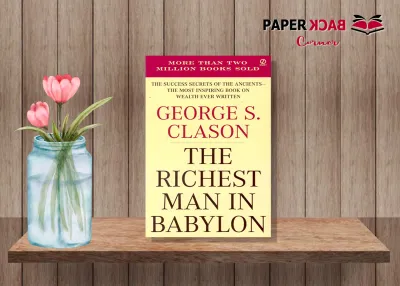
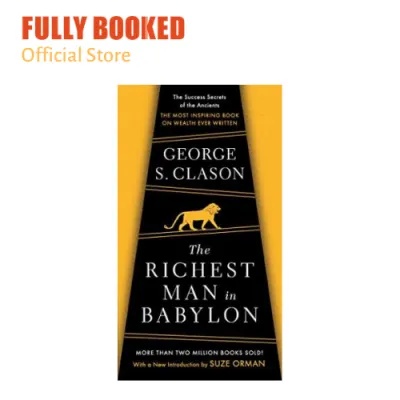

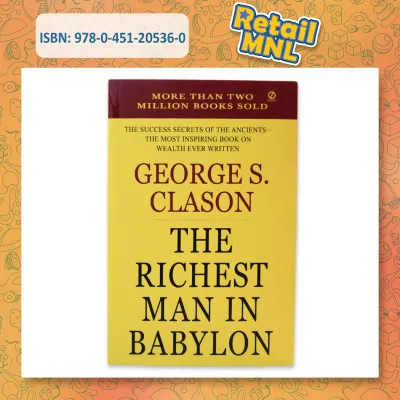
Prices are valid at publication and may change. Please refer to the product page for the latest price.
Clason introduces the concept of the “Seven Cures for a Lean Purse,” which emphasizes controlling expenditures and making your money multiply. The philosophy assumes that anyone, regardless of their income level, can build wealth if they consistently set aside a portion of their earnings and invest it wisely. It is a highly defensive strategy that prioritizes security, capital preservation, and the avoidance of speculative schemes.
In contrast, Rich Dad Poor Dad challenges conventional wisdom about employment and wealth. Kiyosaki contrasts the financial philosophies of his highly educated but financially struggling biological father (Poor Dad) with his friend’s entrepreneurial father (Rich Dad). The book focuses on financial literacy, defining an asset strictly as something that puts money in your pocket and a liability as something that takes money out. Instead of working for money, the book urges readers to acquire income-generating assets that build passive cash flow. It encourages calculated risk-taking, entrepreneurship, and understanding how corporate structures and tax laws can be used to protect wealth.
Kiyosaki introduces the concept of the “rat race,” where individuals work harder only to spend more as their income increases, keeping them perpetually trapped in a cycle of financial dependency. His philosophy is offensive, urging readers to break free from the employee mindset and transition into becoming business owners and active investors.
Reading Style and Learning Curve
The two books approach financial education from vastly different literary angles. The Richest Man in Babylon is written as a series of simple, allegorical stories. The language mimics biblical or ancient prose, which some readers find charming and others find slightly archaic. However, the simplicity of the parables makes the core lessons incredibly easy to digest, even for those who have never read a business book before. The lessons are repetitive by design, ensuring that the fundamental laws of gold are deeply ingrained in the reader’s mind by the final page.

Rich Dad Poor Dad is structured as a personal memoir combined with financial commentary. Kiyosaki’s writing style is conversational, provocative, and highly engaging. He deliberately uses bold, sometimes controversial statements to shake readers out of their financial complacency. While the narrative is highly motivating, some readers find that it lacks concrete, step-by-step instructions on how to execute the broader concepts of real estate investing and corporate structuring.
In terms of actionability, The Richest Man in Babylon provides immediate, daily habits that any salaried worker can implement tonight. Rich Dad Poor Dad requires a higher level of critical thinking, as its concepts are more abstract and require intermediate knowledge to safely execute in the real world.
Applying the Advice in the Philippines
Applying international financial advice in the Philippines requires careful adaptation to local economic realities and cultural expectations. The strict saving culture advocated in The Richest Man in Babylon is highly relevant but often collides with local family dynamics. Many Filipino breadwinners face the cultural expectation of supporting extended family members, making the rule of saving ten percent of one’s income a challenging but necessary boundary to establish. Implementing this rule requires open communication with family members about long-term financial stability, proving that saving even a small portion of a ₱15,000 monthly salary is a vital step toward independence.
The entrepreneurial mindset of Rich Dad Poor Dad is highly attractive in a country with a vibrant micro-business and freelancing economy. However, Kiyosaki’s heavy emphasis on leveraging debt to buy real estate and utilizing complex corporate tax structures does not translate directly to the local market. In the Philippines, borrowing costs can be high, and accessing credit is often difficult for average earners.
To adapt these books locally, readers should look at accessible financial instruments. Instead of jumping straight into complex real estate deals, a local reader can apply the “asset acquisition” mindset by investing in high-yield savings accounts, government-backed savings programs like the Pag-IBIG MP2 fund, or local cooperative shares. The “pay yourself first” rule can be automated through digital banking apps that automatically sweep a portion of a salary into a separate savings pocket on payday.
Furthermore, the concept of debt must be carefully managed. While Kiyosaki advocates using “good debt” to acquire assets, local interest rates and economic volatility mean that consumer debt (such as credit card balances or high-interest personal loans) should be eliminated first, aligning with Clason’s advice on debt clearance.
In the Philippines, inflation can significantly impact the purchasing power of your savings. Leaving your accumulated wealth in a traditional bank account that offers minimal interest means your money is slowly losing value. This is where the transition from Clason’s saving mindset to Kiyosaki’s investing mindset becomes crucial. To make your money multiply safely, you must look beyond basic savings accounts. Digital banks operating in the local market have introduced competitive interest rates, providing an accessible way for beginners to grow their emergency funds. Additionally, government-backed programs offer a low-risk, tax-free environment for long-term capital growth, aligning perfectly with the Babylonian principle of seeking wise counsel and investing in secure ventures.
Quick Comparison Matrix
| Dimension | The Richest Man in Babylon | Rich Dad Poor Dad |
|---|---|---|
| Target Audience | Absolute beginners, debt-ridden individuals | Intermediate savers, aspiring entrepreneurs |
| Core Message | Save ten percent, live below your means, avoid debt | Acquire income-generating assets, build financial literacy |
| Reading Difficulty | Easy (simple parables, slightly archaic language) | Moderate (conversational memoir, abstract concepts) |
| Primary Goal | Capital preservation and disciplined accumulation | Mindset shift toward passive income and business |
| Ideal Reader | Someone struggling to save or manage a basic budget | Someone with savings looking to start investing |
Decision Guide: Which Book Fits Your Current Stage?
If you find yourself living paycheck to paycheck, struggling to pay off credit cards or personal loans, or finding it impossible to save even a small portion of your income, The Richest Man in Babylon is your ideal starting point. It acts as a financial emergency kit, teaching you the basic mechanics of capital accumulation.
If you already have an emergency fund, carry no high-interest consumer debt, and feel comfortable with your monthly budget, Rich Dad Poor Dad is the logical next step. It will push you to think beyond your monthly salary and explore ways to build passive income streams.
When evaluating your current stage, ask yourself three questions: Do I have at least three to six months’ worth of living expenses saved? Am I free from high-interest consumer debt? Do I understand how to evaluate an investment opportunity? If the answer to any of these is no, your priority should be building a solid foundation. The Richest Man in Babylon will teach you the discipline required to answer yes to the first two questions. Once you have achieved that stability, Rich Dad Poor Dad will help you navigate the third.
Before purchasing either book, it is essential to verify the specific edition, language, and format. Both titles are widely available in physical bookstores across the Philippines, as well as on major online marketplaces. Ensure you are purchasing from authorized publishers or official bookstore accounts to avoid low-quality, pirated reprints that often contain missing pages or illegible text. If you prefer digital formats, verify device compatibility for e-books or audiobooks before finalizing your purchase.
Additionally, consider your preferred learning style. If you enjoy narrative-driven storytelling with a historical feel, Clason’s work will resonate deeply. If you prefer a modern, disruptive, and highly motivational memoir, Kiyosaki’s book is the better fit.
Frequently Asked Questions (FAQ)
Can I read both books, and in what order?
Yes, reading both is highly recommended. Start with The Richest Man in Babylon to establish a solid foundation of saving and budgeting. Once you have built the discipline to accumulate capital, read Rich Dad Poor Dad to learn how to deploy that capital into productive assets.
Should I look for local alternatives to these international bestsellers?
Yes, supplementing these classics with local financial literature is highly beneficial. While the core principles of saving and investing are universal, local books address specific Philippine tax laws, local investment vehicles, and cultural nuances that international authors cannot cover.

Community discussion
Share your experience or ask a question. Comments are reviewed before publication.