
Embarking on a personal development journey is one of the most rewarding decisions you can make, but finding the right books to read for motivational growth requires a thoughtful approach. The global self-help market is flooded with thousands of titles, yet not every bestseller aligns with the unique daily realities of readers in the Philippines. Balancing close-knit family obligations, navigating long urban commutes, and managing career growth within the local economic landscape all influence how a book’s advice translates into real-world action.
To build a truly effective reading list, you must look beyond generic recommendations and flashy cover designs. The ideal motivational books are those that offer practical, adaptable frameworks that you can realistically integrate into your current lifestyle. By understanding how to evaluate authors, choose the right formats, and identify your specific growth areas, you can select books that spark genuine, lasting change rather than temporary inspiration.
Identifying Your Core Areas for Personal Growth
Before browsing bookstore shelves or online marketplaces, you must pinpoint exactly what you want to improve in your life. A common pitfall is picking up a trending title simply because it is popular, only to find its advice irrelevant to your current situation. Take time to assess your immediate pain points, whether you are struggling with daily burnout, looking to build a sustainable savings habit, or trying to transition to a new career path.
Products mentioned in this guide
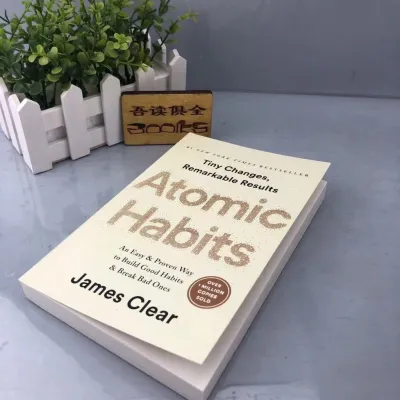
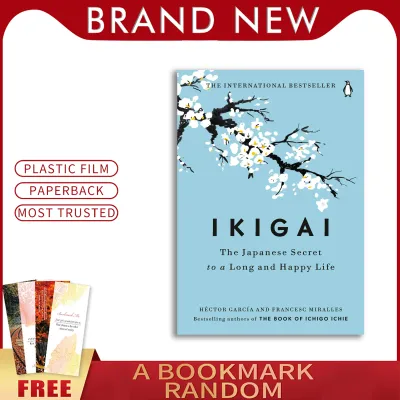

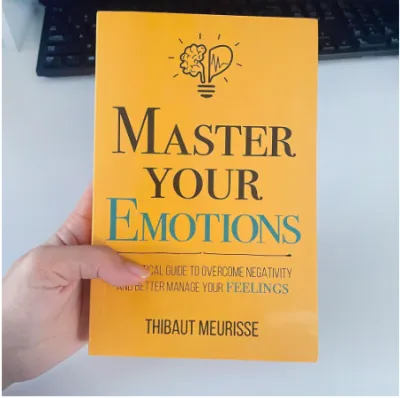
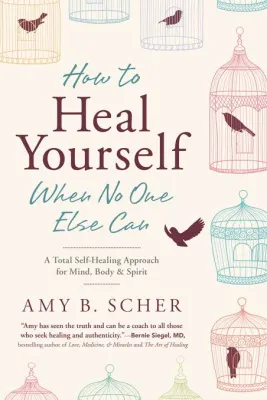

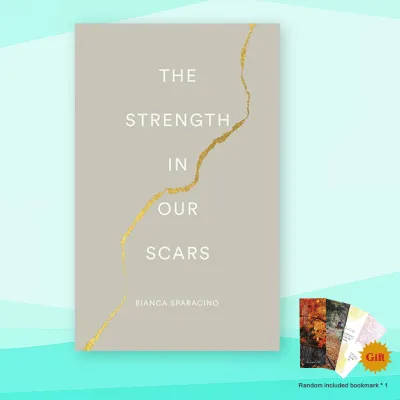
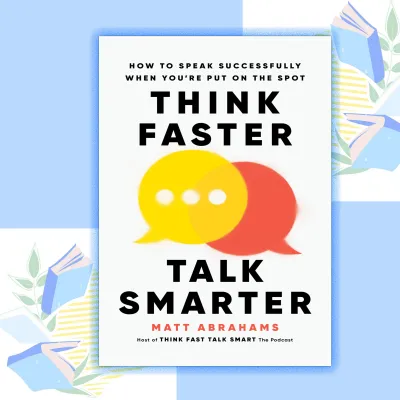
Prices are valid at publication and may change. Please refer to the product page for the latest price.
It is equally important to distinguish between a temporary emotional boost and a structural habit change. Some books are designed to inspire and uplift your mood, which is highly beneficial during a creative block or a period of low energy. Other books focus on behavioral design, offering step-by-step frameworks to restructure your daily routine. Knowing whether you need a spark of inspiration or a practical manual prevents frustration and helps you select the right tool for the job.
Finally, manage your expectations regarding what a single book can achieve. Reading a book provides the blueprint, but the actual transformation occurs during the active implementation of its concepts. A book cannot fix a disorganized schedule or build a savings fund on its own; it requires you to consistently apply its lessons to your daily life. Focus on books that encourage active participation, reflection, and gradual, manageable adjustments to your routine.
Top Self-Improvement Themes to Explore
The self-improvement landscape is vast, but most books to read for motivational purposes fall into a few distinct categories. By understanding these themes, you can narrow down your search to the exact genre that addresses your current life stage. Whether you are a fresh graduate entering the workforce or an experienced professional seeking better work-life balance, matching your goals to the right theme is crucial.

Financial Literacy and Wealth Building
When exploring financial literacy books, look for core principles that translate well to the local economic environment. Concepts like budgeting, living below your means, and understanding the difference between assets and liabilities are universal. These foundational ideas can help you build a healthy relationship with money regardless of where you live.
However, you must exercise caution with highly specific investment advice. Many international bestsellers rely heavily on foreign financial instruments, such as specific retirement accounts or real estate tax loopholes that do not exist in the Philippines. Before purchasing, check if the book focuses on broad wealth-building mindsets rather than localized foreign banking systems, or seek out local authors who address Philippine investment vehicles like Pag-IBIG MP2, local mutual funds, or cooperative savings.
Mindset, Resilience, and Mental Well-being
Navigating daily stress, professional pressures, and personal setbacks requires a resilient mindset. When searching for books in this category, it is vital to differentiate between general motivational cheerleading and clinical psychology resources. While motivational books can offer a quick perspective shift, books grounded in cognitive behavioral therapy or evidence-based mindfulness practices provide deeper tools for emotional regulation.
To ensure you are receiving safe and effective advice, verify the author’s credentials. Look for writers who have recognized backgrounds in psychology, psychiatry, or academic research. Books written by certified professionals often feature structured exercises, self-assessments, and scientifically backed frameworks that help you manage anxiety and build long-term mental resilience.
Productivity, Time Management, and Habits
Productivity books are highly popular, but their frameworks must be adaptable to your actual daily routine. A system that demands a strict, uninterrupted five-hour morning routine may be completely impractical if you face a two-hour commute in heavy traffic or work irregular graveyard shifts in the business process outsourcing (BPO) sector. Look for books that advocate for micro-habits and flexible time-blocking rather than rigid, uncompromising schedules.
Additionally, consider how these productivity systems interact with local cultural dynamics. In the Philippines, family obligations, community events, and social expectations often require high flexibility. Choose books that teach you how to set healthy boundaries and manage your energy, rather than those that promote an isolated, hyper-individualistic hustle culture that clashes with your community values.
Criteria for Evaluating Motivational Books
With thousands of self-help titles available, selecting the right books to read for motivational growth requires a critical eye. Before spending your hard-earned money, use a systematic evaluation process to ensure the book is worth your time and effort.
First, investigate the author’s background and potential commercial biases. Is the author a respected researcher, an experienced practitioner, or simply an influencer capitalizing on a trend? Be wary of books that serve primarily as marketing funnels for expensive coaching programs, seminars, or proprietary software. The best motivational books stand on their own merit, offering complete, actionable advice within their pages without requiring additional purchases.
Second, read critical reviews on independent platforms rather than relying solely on the promotional blurb on the back cover. Look specifically for three-star and two-star reviews, as these often highlight common flaws, repetitive chapters, or a lack of practical steps. Pay attention to whether readers complain that the book could have been a short blog post, or if the advice feels outdated in the modern digital age.
Third, assess the cultural adaptability of the book’s core concepts. Consider whether the author’s assumptions about wealth, independence, and career progression align with the realities of living in the Philippines. For instance, advice that suggests quitting your job immediately to pursue a passion might be highly risky if you do not have a robust social safety net or if you support extended family members. Look for frameworks that allow for gradual, low-risk transitions.
Comparing Book Formats and Editions
The format in which you consume a book can significantly impact your retention and how easily you integrate reading into your daily routine. Physical books, e-books, and audiobooks each offer distinct advantages and trade-offs that you should weigh against your lifestyle and budget.
Physical books are excellent for active study, allowing you to easily highlight text, write notes in the margins, and flip back and forth between chapters. However, they can be bulky to carry during daily commutes and are susceptible to damage from high tropical humidity and sudden downpours. E-books offer unmatched portability, allowing you to carry an entire library on a single lightweight device, though you must consider device compatibility, battery life, and digital rights management (DRM) restrictions across different e-reader platforms.
Audiobooks are highly convenient for multitasking, making them ideal for listening during long commutes, household chores, or workouts. While they are excellent for narrative-driven motivational books, they can make active note-taking and retention more challenging for highly technical or framework-heavy guides.
In terms of cost, prices can vary widely. Physical paperbacks and hardcovers in local bookstores typically range from ₱300 to over ₱1,200, depending on the edition and import costs. E-books and audiobook subscriptions often provide a more budget-friendly alternative, though they require an initial investment in a compatible device or a stable internet connection for downloading files.
| Format | Pros | Cons | Ideal Reader Profile |
|---|---|---|---|
| Physical Book | High retention, easy note-taking, no screen strain, collectible | Bulky to carry, vulnerable to humidity, higher average cost in ₱ | Readers who prefer tactile learning, study at home, or build physical libraries |
| E-Book | Highly portable, adjustable font sizes, instant delivery, space-saving | Requires a compatible device, potential screen fatigue, DRM restrictions | Commuters, frequent travelers, and budget-conscious readers with e-readers |
| Audiobook | Perfect for multitasking, hands-free consumption, engaging narration | Harder to take notes, requires headphones or device, subscription costs | Busy professionals, active commuters, and auditory learners |
Where to Source Authentic Books Locally
Finding authentic copies of your chosen books to read for motivational growth is essential for a quality reading experience. Counterfeit books and unauthorized reprints are common on various online platforms, often featuring missing pages, blurry text, and toxic chemical odors from cheap inks. To support authors and ensure a readable copy, always source your books from reputable channels.
For physical shopping, established national bookstore chains located in major malls across the Philippines remain the most reliable source for brand-new, authorized editions. If you prefer supporting local businesses, look for independent local bookshops, many of which curate excellent selections of self-improvement titles and support local authors. These shops often provide a more personalized experience and can order specific titles upon request.
When shopping online, navigate carefully to avoid counterfeit sellers. Stick to authorized flagship stores of major book retailers on online marketplaces. Look for verified seller badges, check customer reviews for photos of the actual book quality, and be wary of prices that seem too good to be true—such as brand-new bestsellers listed for under ₱150, which are almost always low-quality pirated reprints.
If you are on a tight budget, there are several sustainable and affordable alternatives to buying brand-new books. Explore second-hand book markets, community book swap groups on social media, or local public libraries. Many second-hand shops offer authentic, gently used paperbacks at a fraction of their original retail price, allowing you to build your personal development library sustainably.
Frequently Asked Questions (FAQ)
How many self-help books should I read at the same time?
It is generally best to focus on one core self-help book at a time, especially if it contains actionable frameworks or step-by-step exercises. Trying to implement advice from multiple productivity or financial systems simultaneously can lead to cognitive overload and conflicting habits. Focus on fully absorbing and applying the lessons of one book before moving on to the next.
If you prefer variety, you can alternate between a heavy, conceptual book and a lighter, narrative-driven motivational biography. For example, you might study a dense book on behavioral design during your morning study sessions and listen to an inspiring memoir during your evening commute. This approach keeps your mind engaged without cluttering your daily action plan.
What should I do if a highly rated book does not resonate with me?
If a highly recommended book does not resonate with me, remember that personal context, timing, and your current life circumstances heavily influence how you receive advice. A book that is life-changing for a corporate executive might feel completely irrelevant to a college student or a freelance creative. Do not force yourself to agree with or enjoy a book simply because it is a global bestseller.
You do not need to push through a book that feels tedious or unhelpful. Instead, try skimming the remaining chapters for key takeaways, reading chapter summaries, or simply abandoning the book without guilt. Your reading time is valuable, and it is far better to put down a book that is not working for you and find one that directly addresses your current needs.
Are local authors better than international bestsellers for personal growth?
Neither is universally superior; both local and international books offer distinct advantages depending on your goals. Local authors provide invaluable cultural nuance, relatable anecdotes, and advice tailored to the specific economic and social realities of living in the Philippines. They understand the unique challenges of local career paths, family dynamics, and financial systems, making their advice highly practical and immediately applicable.
On the other hand, international bestsellers often offer broad, globally tested frameworks, extensive scientific research, and diverse case studies from various industries. These books are excellent for learning foundational principles of psychology, habit formation, and leadership. A balanced reading list that combines the structural depth of international research with the practical, culturally resonant advice of local authors often provides the most comprehensive path for your self-improvement journey.
Community discussion
Share your experience or ask a question. Comments are reviewed before publication.