
Quick Answer: Which Finance Book Should You Read First?
Choosing your very first personal finance book is a critical step toward financial independence, especially for young Filipinos navigating a unique economic landscape. The ideal starting point depends entirely on your current financial mindset, income stability, and immediate personal goals. Both books offer transformative perspectives, but they target completely different stages of your financial evolution.
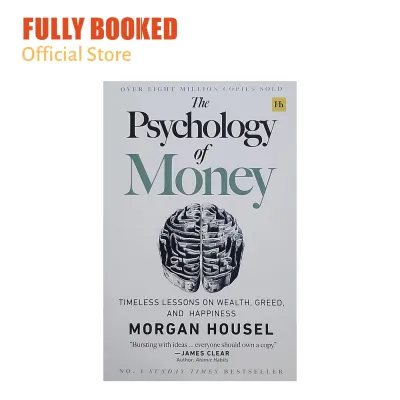
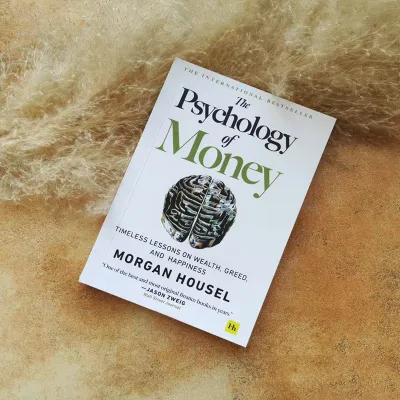
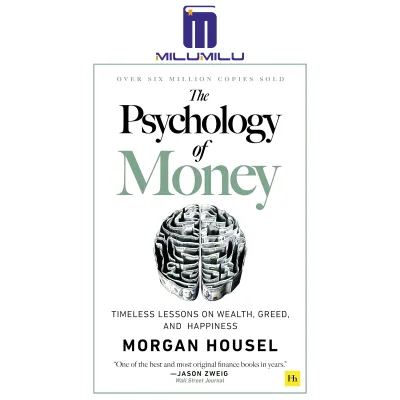
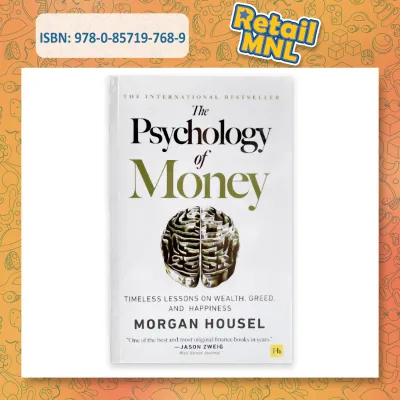
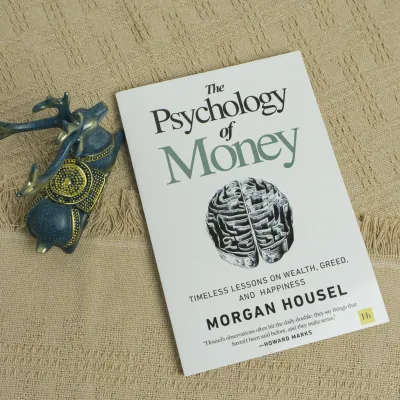
For most young adults in the Philippines, The Psychology of Money by Morgan Housel is the superior first read. It focuses on the soft skills of wealth management, helping you fix impulsive spending habits, resist social media-driven lifestyle inflation, and build a healthy, sustainable relationship with money. Before you learn how to invest, you must learn how to behave, and Housel provides the psychological toolkit necessary to keep the money you earn.
Conversely, Rich Dad Poor Dad by Robert Kiyosaki is best suited for those who already possess basic savings discipline but want to aggressively shift their mindset toward entrepreneurship, cash flow, and active asset acquisition. It is a powerful wake-up call that challenges traditional ideas about employment, though its specific investment strategies require a higher tolerance for risk and capital that many beginners do not yet have.
Products mentioned in this guide

Prices are valid at publication and may change. Please refer to the product page for the latest price.
If you want the most effective path to financial literacy, read them in sequence. Start with The Psychology of Money to build a resilient psychological foundation, and then transition to Rich Dad Poor Dad to expand your strategic horizons and explore active wealth-building concepts.
Core Philosophies: Behavioral Mindset vs. Asset Acquisition
To appreciate the value of these works, you must first understand their foundational premises. While both authors want to help you achieve financial freedom, they map out entirely different routes to get there, reflecting a classic debate in personal finance: is wealth built through behavioral discipline or through strategic risk-taking?

The Psychology of Money: Wealth is How You Behave
Morgan Housel’s core premise is that doing well with money has little to do with how smart you are and a lot to do with how you behave. He argues that financial success is not a hard science governed by cold mathematical formulas, but a soft skill where your personal history, unique worldview, and emotional triggers dictate your decisions.
For a young professional, this philosophy reframes wealth not as a high salary or a flashy lifestyle, but as the quiet accumulation of assets that buy you control over your time. Housel emphasizes the extraordinary power of compounding, which does not require financial genius—only patience and consistency.
He also introduces the critical concept of defining “enough.” In a world dominated by social media displays of luxury, learning to cap your lifestyle inflation is the single most important protective measure you can take for your savings. Finally, Housel advocates for leaving a generous “room for error” in every financial plan, acknowledging that life is inherently unpredictable and that safety nets are what keep you in the investing game over the long term.
Rich Dad Poor Dad: Making Money Work for You
Robert Kiyosaki’s core premise is that the traditional educational and career path—going to school, getting good grades, securing a stable job, and buying a house—is a financial trap that keeps the middle class and the poor stuck in the “rat race.” He argues that the wealthy do not work for money; instead, they make money work for them.
Kiyosaki simplifies financial literacy by dividing the financial world into assets and liabilities. In his strict definition, an asset is anything that puts money into your pocket, while a liability is anything that takes money out of your pocket. Under this framework, traditional symbols of success, such as a primary residence or a brand-new car, are classified as liabilities because they incur ongoing expenses without generating income.
His philosophy champions financial education as the ultimate tool for liberation. By understanding accounting, investing, markets, and the law, individuals can transition from being employees or self-employed specialists to becoming business owners and active investors who leverage other people’s money and time to build generational wealth.
Practicality for Beginners: Daily Habits vs. Active Investing
For a young adult starting a career with limited capital, the immediate practicality of a book’s advice is often more important than its theoretical brilliance. How easily can you translate these pages into daily actions that improve your bank balance?
Building Sustainable Financial Habits
The Psychology of Money excels at providing immediate, low-barrier actions that anyone can implement, regardless of their starting salary or employment status. Because Housel focuses on behavior, his advice does not require you to have millions of pesos in startup capital or a sophisticated understanding of corporate tax structures.
You can apply his principles the moment you receive your next paycheck. The book teaches you to view saving not as a sacrifice, but as the gap between your ego and your income. This perspective makes saving money highly actionable because it shifts the focus from earning more to desiring less.
Housel’s emphasis on wealth preservation and steady, unglamorous growth is incredibly practical for beginners. It encourages you to establish a robust emergency fund and start small, consistent contributions to simple investment vehicles. This approach builds the emotional stamina required to hold investments during market downturns, protecting you from the panic-selling that ruins many novice investors.
Pursuing High-Yield Assets and Business
Rich Dad Poor Dad offers an incredibly motivating vision, but it presents a significant practicality gap for young readers who are just starting out. Kiyosaki’s strategies heavily favor leveraging debt to acquire income-generating real estate, starting large-scale businesses, and trading sophisticated financial instruments.
For a young professional earning an entry-level salary, these strategies can feel distant and highly risky. Acquiring real estate or launching a business requires substantial initial capital, excellent creditworthiness, and a deep understanding of local market regulations. Attempting to apply these advanced concepts without a solid financial foundation can lead to disastrous decisions, such as taking on high-interest personal loans or investing in speculative ventures you do not understand.
While Kiyosaki’s book is excellent for expanding your financial imagination and breaking free from a purely employee-oriented mindset, it lacks the step-by-step tactical guidance needed to manage daily cash flow safely. It tells you what to aim for, but it does not provide the behavioral guardrails required to get there without taking on catastrophic levels of risk.
Relevance to the Philippine Financial Context
Imported financial advice must always be filtered through local economic realities. The challenges faced by a young professional in Manila, Cebu, or Davao are vastly different from those faced by readers in Western economies, making cultural and structural context highly important.
Navigating Local Income and Family Expectations
Young Filipinos frequently grapple with the cultural realities of the “sandwich generation”—the expectation that young professionals should financially support their parents, siblings, or extended family members once they begin earning. This cultural duty adds an emotional and financial weight that Western personal finance books rarely address directly.
The Psychology of Money is incredibly relevant here because it treats money as an emotional and social tool rather than just a math problem. Housel’s insights help you understand that financial decisions are rarely made on a spreadsheet; they are made at the dinner table, influenced by love, duty, and social pressure.
By reading Housel, you can learn to define your own boundaries and understand that being “reasonable” with your family obligations is often more realistic than trying to be coldly “rational.” It teaches you to build financial resilience so that you can help your family without completely sacrificing your own long-term financial security or burning out under the pressure of local expectations.
Access to Local Investment Vehicles
Kiyosaki’s heavy emphasis on real estate investment faces tough structural barriers in the contemporary Philippine market. In major metropolitan areas like Metro Manila, property prices have soared, and mortgage interest rates can be high. For a young professional earning a typical starting corporate salary of ₱25,000 to ₱35,000, buying residential real estate to generate positive rental cash flow is often financially out of reach and highly illiquid.
In contrast, The Psychology of Money aligns perfectly with the accessible, modern investment landscape available to young Filipinos today. Because Housel champions simple, long-term compounding, his philosophy fits hand-in-hand with low-barrier local investment options, including:
- High-Yield Digital Banking Accounts: Local digital banks offer highly competitive interest rates compared to traditional banks, making them excellent tools for building an emergency fund.
- Pag-IBIG MP2: A voluntary, government-backed savings program that offers tax-free annual dividends, perfect for conservative, long-term compounding.
- Personal Equity and Retirement Account (PERA) or Index Funds: Accessible investment vehicles that allow you to invest in the broader market with small, regular contributions.
These modern options allow you to start your investment journey with as little as ₱1,000, proving Housel’s point that consistency and time are far more powerful than starting with a massive lump sum.
Reading Style, Formats, and Accessibility
How a book is written and structured plays a huge role in whether you will actually finish it and absorb its lessons. Both books are highly readable, but they use very different narrative styles to deliver their messages.
The Psychology of Money is structured as a collection of 19 short, self-contained chapters. Each chapter focuses on a specific behavioral trait or historical anecdote, ranging from the history of the US consumer to stories of wealthy individuals who went broke. This modular format is perfect for busy young professionals. You can easily read a chapter during a daily commute on the MRT, during a lunch break, or before bed without losing the thread of the book’s overall argument.
Rich Dad Poor Dad is written as a continuous, conversational personal narrative. It reads more like an autobiographical memoir, detailing Kiyosaki’s childhood experiences growing up with two father figures: his highly educated but financially struggling biological father (Poor Dad), and the entrepreneurial father of his best friend (Rich Dad). This storytelling approach is highly engaging and easy to read, making complex economic concepts feel intuitive and dramatic.
When preparing to purchase either book, it is vital to verify the edition, language, and authorized source. The local market has seen a rise in low-quality, unauthorized counterfeit physical prints sold on online marketplaces. These counterfeit copies often suffer from missing pages, severe typographical errors, and poor binding.
Always purchase from reputable, authorized local book retailers or verified digital platforms. For Rich Dad Poor Dad, look for the updated anniversary editions, which contain modern commentary and self-assessment sections that help bridge the gap between historical advice and today’s economy. Both books are also widely available as audiobooks, which is an excellent, highly productive format for making the most of long commutes through heavy city traffic.
Side-by-Side Comparison: The Psychology of Money vs. Rich Dad Poor Dad
This scannable summary highlights the key differences between the two books to help you quickly evaluate which one aligns with your current needs.
| Feature | The Psychology of Money | Rich Dad Poor Dad |
|---|---|---|
| Core Theme | Financial success is driven by behavior, emotions, and psychology. | Financial freedom requires financial education, asset acquisition, and entrepreneurship. |
| Target Audience | Beginners and experienced investors who need to master their spending and saving habits. | Aspiring entrepreneurs and individuals looking to break free from traditional employment mindsets. |
| Approach to Risk | Conservative; emphasizes safety margins, emergency funds, and wealth preservation. | Aggressive; encourages calculated risk-taking, leveraging debt, and active business building. |
| Primary Wealth Vehicle | Long-term compounding, low-cost index funds, and consistent savings. | Real estate, business ownership, stocks, and intellectual property. |
| Best For | Building an emergency fund, managing lifestyle inflation, and developing long-term patience. | Shifting your mindset away from corporate dependency and learning to spot business opportunities. |
Final Verdict: How to Choose Your Starting Point
To make your final decision, evaluate your current financial situation and select the book that addresses your most immediate bottleneck.
Choose The Psychology of Money if:
- You struggle to maintain a consistent savings habit or find yourself spending money to impress others.
- You want to understand your own emotional biases and build a peaceful, low-stress relationship with your finances.
- You prefer low-risk, long-term compounding strategies that do not require constant market monitoring.
- You are currently focused on building your very first emergency fund or navigating family financial expectations.
Choose Rich Dad Poor Dad if:
- You already have disciplined saving habits and a secure financial safety net in place.
- You are highly interested in entrepreneurship, starting a side hustle, or learning how to analyze cash flow.
- You want to challenge your traditional beliefs about career security and are ready to learn about leveraging debt and assets.
- You want to build a highly active, aggressive portfolio of businesses or investment properties.
Read Both for a Complete Progression
If you want a complete financial education, the absolute best strategy is to read both, starting with The Psychology of Money. Master your behavior, learn to live below your means, and establish your financial safety net first. Once you have built a quiet, resilient foundation of savings, pick up Rich Dad Poor Dad to expand your financial ambition, learn how to spot cash-flowing assets, and explore ways to build active wealth.
Remember that reading is only the first step. True financial literacy is built when you close the book and apply these principles to your personal budget, open your local digital savings accounts, and start your very first investment plan.
Frequently Asked Questions (FAQ)
Is Rich Dad Poor Dad outdated for modern readers?
While some of the specific real estate tactics, tax strategies, and historical examples mentioned in the book are US-centric or outdated, the core philosophy remains highly relevant. The fundamental lesson of distinguishing between an asset (which generates income) and a liability (which costs you money) is timeless. Modern readers should focus on absorbing this mindset shift rather than trying to replicate Kiyosaki’s specific historical property transactions step-by-step.
Can I read The Psychology of Money if I have no financial background?
Yes, absolutely. The Psychology of Money requires zero prior knowledge of finance, accounting, or stock market mechanics. Morgan Housel purposefully avoids complex jargon and mathematical formulas. Instead, he uses relatable human stories, historical events, and clear analogies to explain how people interact with wealth, making it exceptionally accessible and engaging for absolute beginners.

Community discussion
Share your experience or ask a question. Comments are reviewed before publication.