
Deciding on your first major business read is a pivotal step in navigating the competitive Philippine corporate landscape. If your immediate goal is to fix your personal budget, build daily habits, or launch a side hustle, starting with a personal finance or individual mindset book is your most practical path. However, if you are stepping into a supervisory role, managing cross-functional projects, or trying to understand why your department constantly faces recurring bottlenecks, Peter Senge’s The Fifth Discipline is the more impactful starting point. Choosing the wrong book first can lead to frustration, either because the concepts are too abstract for your current daily tasks, or because the advice is too narrow to solve the complex organizational problems you face.
Core Focus: Systems Thinking vs. Individual Mindset
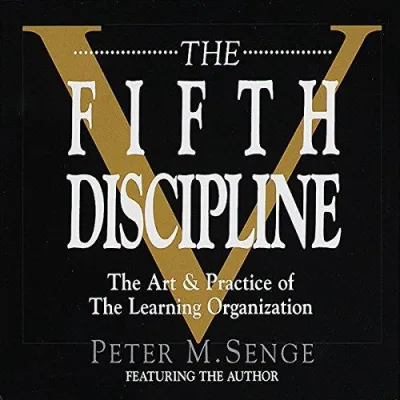
Peter Senge’s The Fifth Discipline introduces readers to systems thinking, a framework that views organizations as complex, interconnected webs rather than isolated departments. Instead of focusing solely on individual performance, Senge outlines five essential disciplines: systems thinking, personal mastery, mental models, shared vision, and team learning. This approach teaches you to look for underlying patterns and leverage points within a business, helping you understand how a decision in marketing might unexpectedly disrupt operations or customer service weeks later. It shifts your perspective from blaming individual coworkers for mistakes to analyzing the flawed systems that allowed those mistakes to happen in the first place.
In contrast, popular individual mindset and personal finance books focus heavily on the self. These books typically emphasize personal wealth accumulation, daily productivity hacks, solo leadership traits, and individual accountability. They are designed to optimize your personal output, manage your personal cash flow, and build the mental resilience needed to survive high-pressure work environments. Instead of analyzing organizational structures, they provide frameworks for mastering your own habits, managing your time, and making smart personal investment decisions.
Products mentioned in this guide
Prices are valid at publication and may change. Please refer to the product page for the latest price.
To choose between these two paths, you must diagnose your current professional bottlenecks. If you find yourself struggling with team collaboration, misaligned department goals, or repetitive operational errors at work, you are facing structural challenges that require a systems-thinking lens. If your primary struggles are personal time management, lack of financial direction, or low daily motivation, an individual-focused mindset book will address those immediate needs more directly.
Comparing the Reading Experience and Practical Application
The mental effort required to digest these books varies significantly, and understanding this difference helps set realistic expectations. The Fifth Discipline is an academic, highly conceptual, and dense text that demands slow, reflective reading. It relies on organizational theory, case studies of corporate structures, and abstract models that require you to pause and map the concepts to your own workplace. It is not a book you can easily skim during a noisy commute; it requires dedicated study time, note-taking, and active contemplation.

Conversely, modern mindset and personal finance books are generally written in an accessible, conversational, and fast-paced style. They rely heavily on engaging personal anecdotes, memorable catchphrases, and highly structured, step-by-step action plans that you can implement the very next morning. These books are designed for quick consumption, making them ideal for busy professionals who want immediate, practical takeaways without wading through deep academic theory.
The timeline for seeing tangible results also differs. Individual mindset books offer immediate, highly visible payoffs, such as setting up a monthly savings tracker, reorganizing your daily calendar, or adjusting your morning routine. The lessons from The Fifth Discipline yield long-term, strategic benefits that manifest as you gradually influence team culture, improve collaborative problem-solving, and design more resilient workflows over months or years.
To determine your readiness, consider this quick self-assessment:
- Do you have the quiet time and mental energy required to study dense, theoretical frameworks?
- Are you looking for a book to read during a noisy daily commute, or do you want a text for deep weekend study with a notebook?
- Do you need an immediate template to solve a personal habit issue, or are you preparing for long-term strategic leadership?
- Are you trying to optimize your own daily output, or are you responsible for the output of an entire team?
Which Book Fits Your Current Career Stage?
Your current position and immediate career trajectory should dictate your choice. You should prioritize The Fifth Discipline if you are transitioning from an individual contributor to a management role, leading cross-functional teams, or working in a complex corporate environment where departmental silos cause frequent friction. It is also the right choice if you are an aspiring entrepreneur aiming to build a scalable organizational culture from the ground up, as it helps you design systems that do not rely solely on your constant personal supervision.
On the other hand, you should start with individual mindset or personal finance books if your immediate priorities are managing personal debt, establishing a basic emergency fund, or building the discipline to maintain a side hustle. These books provide the foundational self-regulation and financial stability that every young professional needs before they can effectively lead others. Trying to master organizational systems thinking when you are still struggling to manage your personal budget can lead to unnecessary stress and cognitive overload.
Keep in mind that neither category will serve you if you are currently seeking step-by-step technical hard skills. If you need to master a specific software program, learn a programming language, or prepare for an industry-specific certification exam, you should look for technical manuals and official study guides instead of broad business philosophy.
Before making your final purchase, verify if your employer, HR department, or a trusted mentor has recommended a specific framework. Many companies in the Philippines align their leadership training with particular methodologies, and choosing a book that matches your organization’s current operational model can give you an immediate advantage in internal discussions.
How to Build a Balanced Business Reading List
A successful professional development plan does not treat these books as mutually exclusive choices, but rather as sequential building blocks. A practical strategy for young professionals is to start with individual mindset and personal finance books. Establishing personal discipline, mastering time management, and securing your financial foundation ensures you are not distracted by personal survival worries as your career demands grow.
Once you have stabilized your personal habits and begin taking on broader responsibilities at work, transition to The Fifth Discipline. This progression allows you to apply Senge’s organizational concepts directly to real-world team dynamics, making the dense material much easier to comprehend and execute.
When building your reading list, always verify the book editions and check for updated revisions, as business environments and organizational theories evolve. When purchasing from local bookstores or official online retail channels, choose the format that matches your lifestyle. For instance, audiobooks can turn long, slow-moving commutes in urban traffic into productive learning sessions, while physical copies or digital e-books are better suited for highlighting, note-taking, and deep study at home.
Frequently Asked Questions (FAQ)
Is The Fifth Discipline too advanced for entry-level professionals?
While The Fifth Discipline is highly conceptual and frequently assigned in executive MBA programs, early-career professionals can still benefit immensely from its core ideas. Reading it early in your career helps you avoid developing narrow, siloed perspectives, allowing you to understand how your specific role contributes to the larger organizational system. If the full text feels overwhelming, you can ease into Senge’s work by reading executive summaries, watching video lectures on systems thinking, or starting with companion workbooks that break down the concepts into simpler exercises.
Where can I find legitimate copies of these business books in the Philippines?
To ensure you are getting complete and authorized editions, purchase your books from major local bookstore chains, university presses, or official brand flagship stores on established online marketplaces. Be cautious of unusually low prices on unauthorized digital listings or street stalls, as these are often pirated copies. Always check the publisher details, verify the ISBN, and inspect the print quality, paper weight, and binding to avoid poorly printed editions that may have missing pages, illegible text, or formatting errors.

Community discussion
Share your experience or ask a question. Comments are reviewed before publication.