
Starting your first professional role in the Philippines is an exciting milestone that introduces a complex web of financial decisions. From budgeting your first salary to navigating family expectations and planning for future independence, the choices you make today will shape your financial trajectory for decades. While the market is flooded with titles promising overnight wealth, early-career professionals benefit most from foundational knowledge. The right business books and personal finance guides provide a structured framework to help you build sustainable habits, develop commercial acumen, and make informed decisions.
How to Match Finance Books to Your Career Stage
Choosing the right reading material requires an honest assessment of your current financial literacy and career trajectory. If you are new to managing money, jumping straight into advanced investment strategies or complex corporate finance texts can be overwhelming and counterproductive. Instead, start by identifying your immediate knowledge gaps, whether that means learning how to track daily expenses or understanding how to negotiate your first salary increase.
Your financial baseline is a critical factor in this selection process. In the Philippines, early-career professionals often balance multiple financial responsibilities, such as contributing to household expenses, supporting siblings’ education, or managing daily commuting costs. A book that assumes a high level of disposable income may not offer practical advice for someone working with an entry-level salary. Look for resources that address these realities and offer scalable strategies that can be adjusted to your specific income and obligations.
Products mentioned in this guide
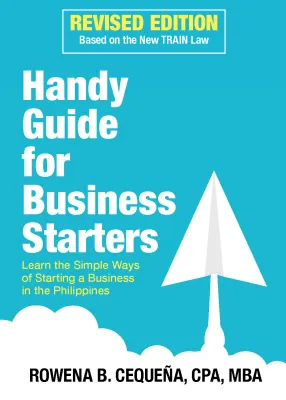
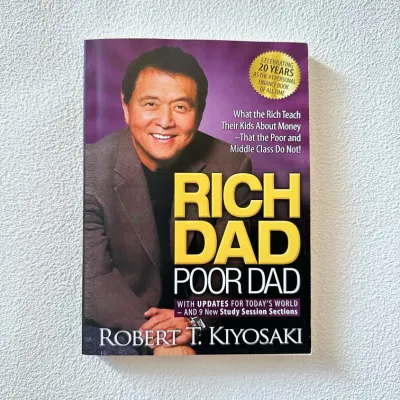

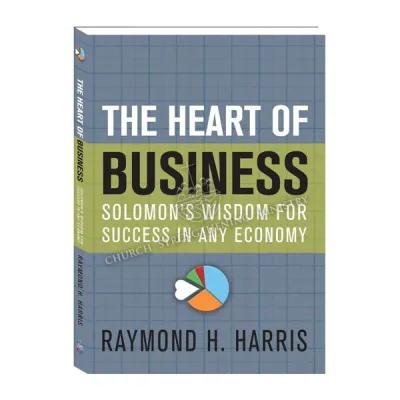

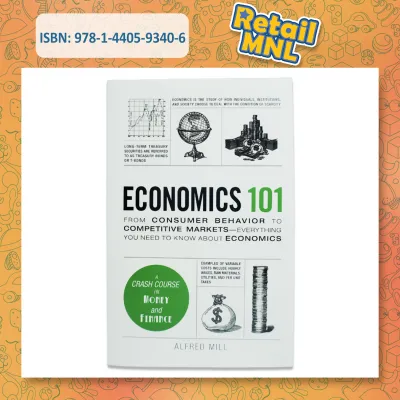
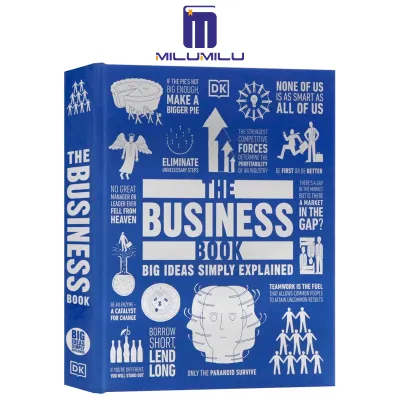
Prices are valid at publication and may change. Please refer to the product page for the latest price.
Align your reading list with your primary career goals. If your objective is to climb the corporate ladder within a structured organization, prioritize books that focus on workplace communication, project management, and leadership. Conversely, if you aspire to start a side business or transition into freelancing, focus on titles that explain business models, value creation, and basic accounting.
Finally, evaluate the reading difficulty and focus of each book. Timeless behavioral principles are generally more valuable for beginners than highly specific, volatile market tactics. A book that teaches the psychology of saving and the discipline of consistency will serve you well throughout your life, whereas a guide focused on a specific, short-lived investment trend may quickly become obsolete.
Mastering Personal Finance on Your First Salary
Managing your first regular income is both liberating and challenging. Without a structured plan, it is easy for your salary to slip away on daily conveniences, dining out, or impulse purchases on online marketplaces. To build a strong foundation, look for books that offer practical frameworks for budgeting and cash flow management. These resources should help you categorize your expenses and allocate your income systematically, ensuring that your essential needs are met while still leaving room for savings.

An effective personal finance book for beginners should emphasize the importance of building an emergency fund. This fund acts as a financial safety net, protecting you from high-interest debt when unexpected expenses arise, such as medical emergencies, sudden home repairs, or temporary job loss. Look for guides that provide step-by-step strategies for accumulating this safety net, even if you can only set aside a small amount, such as ₱1,000 or ₱2,000, from each paycheck.
Addressing early-career debt is another crucial topic. Whether you are dealing with student loans, personal loans, or credit card balances, learning how to manage and systematically pay off these obligations is essential. Prioritize authors who explain debt reduction strategies, such as the debt snowball or debt avalanche methods, in clear, accessible language.
Most importantly, seek out books that focus on behavioral finance and the psychological barriers to saving. Understanding why we make certain financial decisions is often more important than mastering complex mathematical models. Books that explore the psychology of spending can help you identify your personal triggers, resist peer pressure, and establish healthy financial habits that persist as your income grows over time.
Building Long-Term Wealth and Investment Mindsets
Once you have established a stable savings habit, the next step is learning how to preserve and grow your wealth over the long term. For early-career professionals, the concept of compound interest is a powerful tool that is best understood early. Look for books that explain how compound interest works, demonstrating how consistent, long-term contributions can grow significantly over decades, even with modest initial amounts.
A foundational investment book should also clarify the relationship between risk and return. Understanding your personal risk tolerance is essential before committing your hard-earned money to any financial instrument. Seek out resources that explain different asset classes, such as equities, bonds, and mutual funds, and how to diversify your portfolio to mitigate risk.
Learning to differentiate between income-generating assets and depreciating liabilities is another critical skill. In everyday life, it is easy to mistake lifestyle upgrades, such as a new vehicle or the latest smartphone, for valuable investments. Practical finance books help you evaluate these purchases objectively, encouraging you to prioritize assets that build wealth over liabilities that drain your monthly cash flow.
Be sure to avoid titles that promise rapid wealth, day-trading secrets, or high-risk speculative schemes. These approaches often require significant expertise and carry a high risk of capital loss, making them unsuitable for beginners. Instead, focus on books that advocate for disciplined, long-term strategies, such as index investing and dollar-cost averaging, which rely on consistency rather than timing the market.
Developing Business Acumen and Entrepreneurial Thinking
Developing business acumen is highly beneficial, regardless of whether you plan to climb the corporate ladder or start your own enterprise. Understanding how businesses operate, generate revenue, and manage costs makes you a more effective employee and a more strategic thinker. Look for books that break down fundamental business models, value creation, and basic financial statement literacy in an accessible manner.
Rather than focusing solely on the biographies of famous tech founders, seek out books that offer actionable frameworks for daily professional life. Look for titles that cover essential skills such as negotiation, effective workplace communication, and project management. These practical tools can help you navigate workplace dynamics, pitch ideas to management, and collaborate more effectively with your colleagues.
Evaluate whether the problem-solving tools presented in a book are adaptable to different environments. The core principles of efficiency, customer satisfaction, and financial discipline are universal. A good business book should provide frameworks that are equally applicable to a small local enterprise in Manila or a large multinational corporation, allowing you to apply what you learn to your current work environment.
Furthermore, look for books that encourage entrepreneurial thinking, also known as intrapreneurship, within an existing organization. Learning how to identify inefficiencies, propose viable solutions, and manage resources effectively can set you apart as a high-performing professional, opening doors to promotions and leadership opportunities early in your career.
How to Verify Editions and Buy Authentic Copies
When purchasing business and finance books, ensuring that you receive an authentic, high-quality copy is essential for a good reading experience. Always verify the International Standard Book Number (ISBN), language, and edition before making a purchase. Many classic titles have updated editions that include modern case studies, revised statistics, and new chapters addressing digital trends, making them far more relevant to today’s economic landscape.
To guarantee authenticity, purchase your books from official brand stores, authorized online malls, or reputable physical bookstores in the Philippines. Authentic physical books are printed on high-quality paper that can withstand the humid tropical climate without deteriorating quickly, and they feature clear, legible text and properly formatted charts and diagrams.
Be cautious of unauthorized sellers on online marketplaces offering books at suspiciously low prices. These are often pirated copies, which frequently suffer from missing pages, poor binding, illegible text, and low-quality paper. Investing in authentic copies not only ensures that you receive the complete, unaltered content but also supports the authors, editors, and publishers who work to bring these valuable insights to readers.
Frequently Asked Questions (FAQ)
Should I prioritize local Philippine finance books or international bestsellers?
Both types of books offer distinct advantages, and a balanced reading list should ideally include a mix of both. International bestsellers are excellent for teaching universal behavioral finance, investment psychology, and general business frameworks that apply regardless of geography. These books help you build a strong conceptual foundation and understand global economic principles.
However, local books are essential for understanding the specific regulatory, tax, and financial landscape of the Philippines. They provide practical guidance on local investment vehicles, tax compliance, and mandatory government contributions like SSS, Pag-IBIG, and PhilHealth. When selecting local books, always check the publication date to ensure that the regulatory and tax information remains accurate and up to date.
Are audiobooks effective for learning complex business concepts?
The effectiveness of an audiobook depends largely on the nature of the content and your personal learning style. Narrative-driven books, biographies, and mindset-focused titles are highly effective in audiobook format. They allow you to absorb valuable insights during long daily commutes in traffic or while performing routine household chores, making productive use of your time.
On the other hand, highly technical books that rely heavily on financial statements, charts, graphs, or complex mathematical formulas are generally better suited for physical or e-book formats. These formats allow you to pause, study visual data, and take notes at your own pace, which is essential for fully understanding complex accounting or investment concepts.
Community discussion
Share your experience or ask a question. Comments are reviewed before publication.