
If you are seeking gentle reassurance, bite-sized reflections, and emotional validation without the pressure of actionable homework, The Comfort Book is the right choice. However, if your goal is to build specific habits, follow step-by-step productivity frameworks, or tackle a defined career challenge, a traditional, structured self-help title will serve you better. Your decision should ultimately depend on your current mental state and whether you need a comforting companion or an instructional guide.
In a fast-paced environment where daily commutes can be draining and professional demands are high, finding the right book to open at the end of the day is essential. Rushing into a dense, highly demanding productivity guide when you are already experiencing burnout can feel like adding another chore to your to-do list. Conversely, picking up a book of gentle reminders when you actually need a concrete strategy to organize your finances or career path might leave you feeling directionless. Understanding what each reading experience offers allows you to invest your time and energy wisely.
Understanding The Comfort Book: What It Actually Offers
Matt Haig’s The Comfort Book does not follow the standard blueprint of personal development literature. Instead of presenting a thesis followed by chapters of supporting evidence and exercises, this work is an eclectic compilation of short essays, personal memories, lists, and philosophical quotes. It functions less like a textbook and more like a collection of notes written to a friend in a time of need. The structure is deliberately fragmented, allowing you to open to any page and find a complete, self-contained thought.
Products mentioned in this guide
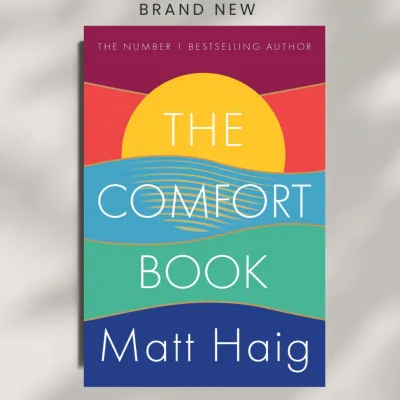
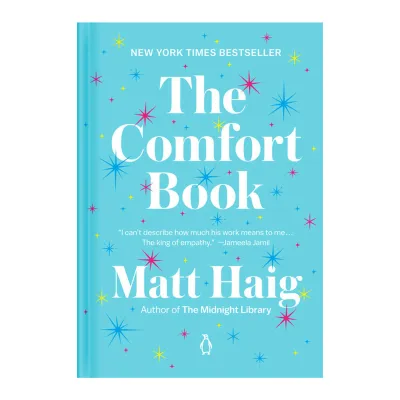

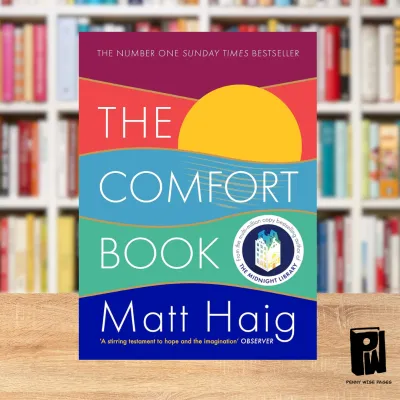

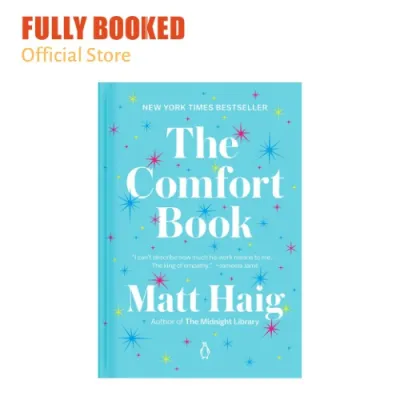
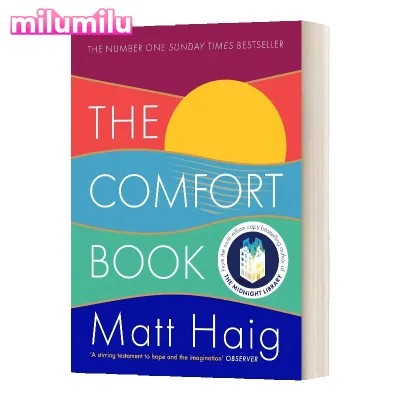
Prices are valid at publication and may change. Please refer to the product page for the latest price.
The tone of the book is deeply empathetic, reflective, and entirely non-prescriptive. Haig does not command you to wake up early, optimize your morning routine, or eliminate distractions. Instead, he shares his own lived experiences with mental health struggles, offering quiet validation for the difficult moments of human existence. The focus is on acceptance rather than transformation, reminding readers that survival and self-compassion are achievements in their own right.
This unique approach makes the book a supportive companion for specific moments in your daily life. It is highly suited for bedtime reading, when you want to ease your mind before sleep without processing complex concepts. It also serves as a gentle anchor during moments of acute anxiety or when you feel too overwhelmed to concentrate on a long, dense narrative. If your mental energy is depleted after a long day in the tropical heat or a stressful journey home, this low-pressure format provides immediate comfort.
How The Comfort Book Compares to Traditional Self-Help
To understand where to start, it is helpful to contrast The Comfort Book with traditional self-help literature. Traditional self-help books are typically built around actionable frameworks and behavioral modification. They are designed to instruct, offering step-by-step methodologies to help you change your habits, improve your communication, or boost your productivity. While these guides can be incredibly empowering, they require an active commitment to change and often demand that you take notes, complete exercises, or track your daily progress.

The reading style also differs fundamentally. Traditional guides are almost always sequential, requiring you to read from chapter one through to the end to fully grasp the author’s system. Skipping sections can cause you to miss foundational concepts. The Comfort Book, by contrast, champions non-linear reading. You can dip in and out of its pages at random, making it highly adaptable to unpredictable schedules and short pockets of free time.
Furthermore, the authority of the author is established differently in these two categories. Traditional self-help is frequently written by clinical researchers, executive coaches, or industry experts who rely on scientific studies, case histories, and structured data to prove their points. Haig’s writing, however, relies on the vulnerability of lived experience. He does not write from a position of clinical superiority; rather, he shares his personal journey through depression and recovery, making the relationship between author and reader feel horizontal and deeply personal.
Key Decision Factors: Matching the Book to Your Current Mindset
Choosing which book to purchase first requires an honest assessment of your current emotional state and immediate goals. If you are currently navigating a period of intense stress, emotional exhaustion, or burnout, The Comfort Book is highly recommended as your first step. It provides a safe space to rest your mind without the guilt of underachieving. When your mental battery is low, reading about how to optimize every hour of your day can feel counterproductive and overwhelming; gentle validation is often what is needed most.
On the other hand, if you feel energized, motivated, and ready to implement tangible changes in your life, a traditional self-help book is the better starting point. If you are looking to establish a consistent exercise routine, manage your personal budget, or learn how to lead a team at work, you need the structured blueprints that traditional guides provide. These books are excellent tools when you have the cognitive bandwidth to plan, practice, and reflect on your habits.
It is crucial to verify your needs before making a purchase, especially regarding mental health. While both types of books offer valuable support, neither The Comfort Book nor traditional self-help titles are substitutes for professional medical advice, clinical diagnosis, or psychological therapy. If you are experiencing severe anxiety, persistent depression, or other clinical conditions, your first step should always be to consult a qualified healthcare professional or counselor.
Side-by-Side Comparison: Features and Reading Experience
To help you quickly evaluate how these two reading experiences differ in practice, the table below outlines the general characteristics of each category. While individual traditional self-help titles may vary in their specific approach, they generally align with the structured archetype described here.
| Feature | The Comfort Book | Traditional Self-Help Books |
|---|---|---|
| Book Structure | Non-linear; short essays, lists, and quotes | Linear; sequential chapters with step-by-step guides |
| Time Commitment | Low; designed for quick, bite-sized reading sessions | Moderate to high; requires sustained focus and study |
| Primary Goal | Emotional reassurance, comfort, and self-acceptance | Behavioral change, skill building, and goal achievement |
| Suitable Reading Environment | Bedside, quiet corners, or during stressful transits | Study desk, active morning routines, or study sessions |
The physical or digital format you choose also plays a significant role in your reading experience. A physical copy of The Comfort Book, with its spacious layout and aesthetic design, can feel like a tactile escape from screens. However, if you do most of your reading during a crowded daily commute, a digital e-book or an audiobook format might be far more practical. Digital formats allow you to carry an entire library without adding weight to your bag, while audiobooks let you listen while walking or resting your eyes.
Purchasing Guide: Formats and Verification in the Philippines
When you are ready to make your purchase, selecting the right format and verifying the authenticity of the book is essential. The Comfort Book is widely available in paperback, hardcover, e-book, and audiobook formats. If you prefer the audiobook, it is highly recommended to verify the narrator before buying; hearing the author read their own deeply personal words often adds an extra layer of intimacy to the experience.
In the local market, it is important to be vigilant against counterfeit or pirated books, which are frequently sold on online marketplaces and informal stalls. These unauthorized copies are often printed on low-quality, thin newsprint that degrades quickly in high tropical humidity, and they frequently suffer from smudged ink, missing pages, or broken bindings. To guarantee you receive a complete, high-quality, and authorized edition, always purchase from established physical retail chains, official brand stores, or verified online bookstores.
Before finalizing your order, perform a quick quality and price check. Inspect physical copies in-store for clean printing and sturdy binding. For digital purchases, ensure you are buying from an authorized platform that delivers the complete, unabridged file compatible with your e-reader or smartphone. Compare prices in Philippine Pesos (₱) across legitimate platforms to ensure you are paying a fair price for an authentic copy, supporting the author and publishers who make these works possible.
Frequently Asked Questions (FAQ)
Is The Comfort Book considered a traditional self-help book?
No, it is not a traditional self-help book. While it is classified under the broad umbrella of self-help and personal development because of its focus on mental well-being, its approach is highly unconventional. Instead of offering structured advice, rules, or actionable steps to change your life, it focuses on reflection, shared human experiences, and emotional validation. It reads more like a personal memoir or a collection of comforting letters than an instructional guide.
Can I read The Comfort Book in one sitting?
While the book is relatively short and easy to read, it is generally not recommended to consume it all in one sitting. Because of its non-linear structure and reflective nature, reading it slowly or in short bursts allows the messages to resonate more deeply. Treating it as a daily companion—reading a page or two during moments of stress or before going to sleep—often provides a much more meaningful and comforting experience than rushing through the entire text.

Community discussion
Share your experience or ask a question. Comments are reviewed before publication.