
In the competitive corporate landscape of Manila, Cebu, and other bustling business hubs across the Philippines, communication is often the dividing line between staying in a mid-level role and stepping into leadership. Whether pitching a project to regional directors over a video call or presenting a keynote in a chilly Makati boardroom, the ability to speak with clarity and conviction is a vital career accelerator. While many professionals experience a sudden wave of anxiety when handed the microphone, public speaking is a learnable skill rather than an innate talent.
This curated selection of self-help books, anchored by Carmine Gallo’s Talk Like TED, offers a structured path to mastering the stage. By addressing distinct challenges—ranging from the psychological hurdles of stage fright to the mechanics of storytelling and physical presence—these books provide a comprehensive toolkit for any Filipino professional looking to build lasting speaking confidence.
How to Choose the Right Public Speaking Book
Selecting the right book requires an honest assessment of your current communication challenges. Public speaking is a broad discipline, and a book that focuses on slide design will not help you if your primary struggle is a racing heart and sweaty palms before you even step onto the stage. To make an effective choice, begin by identifying your most immediate bottleneck, whether it is managing physical anxiety, structuring a chaotic message, or improving your vocal delivery.
Products mentioned in this guide

Prices are valid at publication and may change. Please refer to the product page for the latest price.
The preferred learning format also plays a significant role in how well you absorb and apply the material. Some readers thrive on theoretical frameworks that explain the psychology of human connection and persuasion, while others require highly practical, exercise-driven guides with step-by-step drills. If your schedule is packed with daily commutes and tight deadlines, a book that offers quick, actionable checklists might be more beneficial than a dense academic treatise on classical rhetoric.
Finally, consider the specific professional context in which you operate. A startup founder pitching to venture capitalists in Bonifacio Global City needs a different communication strategy than a project manager presenting technical data to an internal operations team. Matching the book’s core philosophy to your daily professional realities ensures that the advice translates directly into visible career growth and more impactful presentations.
Talk Like TED: Is It the Right Starting Point?
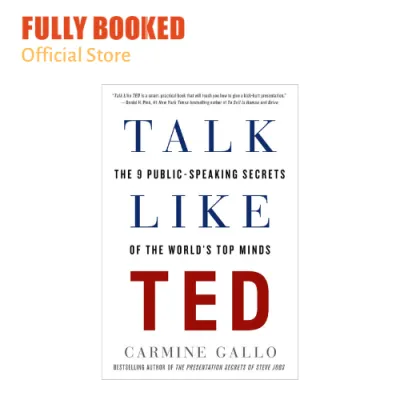
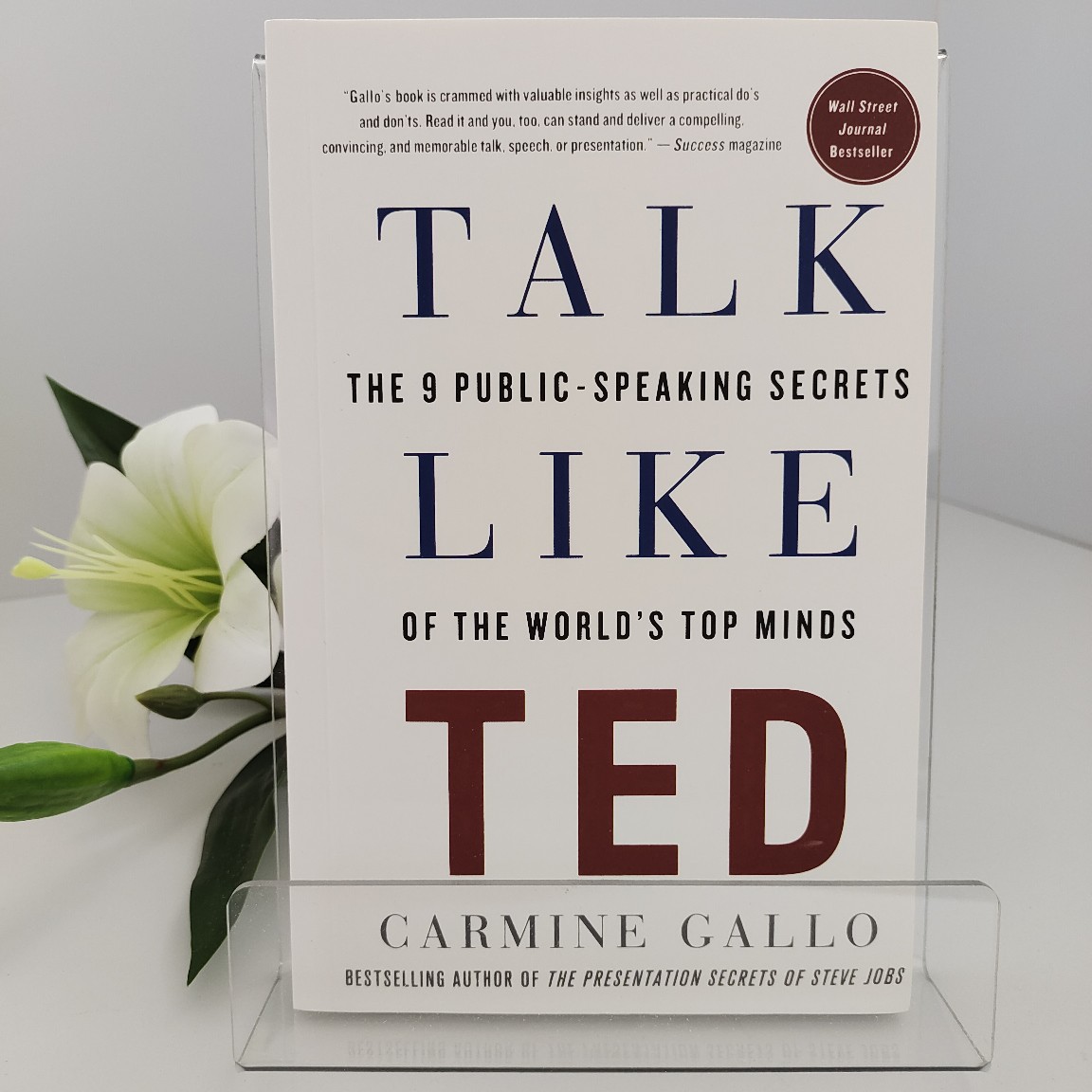
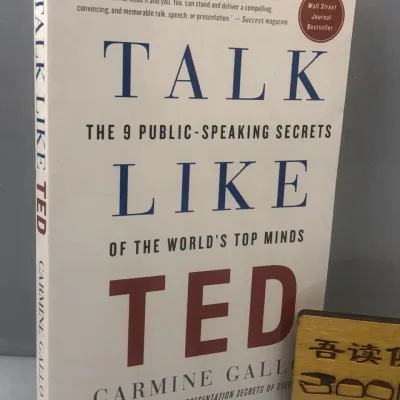
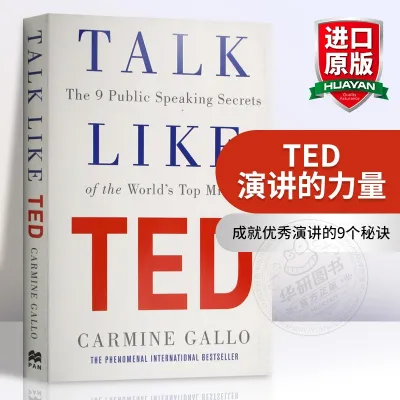
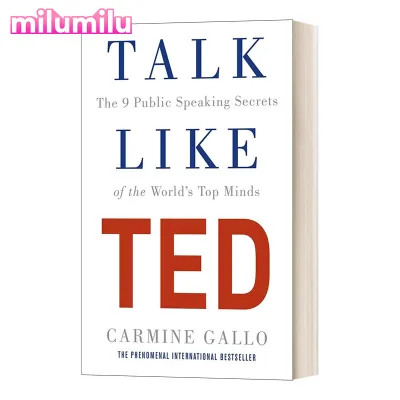
Carmine Gallo’s Talk Like TED has become a foundational text for modern presenters by analyzing the core elements of highly successful presentations. Gallo breaks down these engaging talks into three main parts: emotional connection, novelty, and memorable moments. By focusing on the “rule of three” and the power of personal narrative, the book provides a clear blueprint for turning dry, data-heavy slides into compelling stories that capture an audience’s imagination.

This book is highly suitable for professionals who regularly deal with corporate reports, technical pitches, or educational presentations. If you find that your audience often tunes out during your slide decks, Gallo’s insights will teach you how to inject passion and structure into your message. It helps you move away from dry bullet points and transition toward a more dynamic, narrative-driven style of presenting.
However, Talk Like TED does have its limitations as a starting point. The book largely assumes that you are already willing and physically ready to stand on a stage and deliver a talk. If you suffer from severe stage fright, struggle with basic physical delivery, or do not know how to project your voice in a room with poor acoustics, this title might feel too advanced. It focuses heavily on message structure and storytelling rather than the foundational mechanics of overcoming anxiety or mastering physical stage presence.
Top Self-Help Books to Build Speaking Confidence
While Talk Like TED provides an excellent blueprint for structuring high-impact presentations, a well-rounded communicator needs to address other critical dimensions of public speaking. The following curated selections target specific gaps, creating a comprehensive reading plan that covers anxiety management, narrative structure, and physical performance.
Confessions of a Public Speaker by Scott Berkun
Scott Berkun’s Confessions of a Public Speaker offers a refreshingly honest and practical guide to the realities of standing in front of an audience. Berkun, a veteran speaker, pulls back the curtain on what actually happens behind the scenes, addressing everything from technical failures and unresponsive crowds to the physiological triggers of stage fright. His humorous, down-to-earth approach demystifies the speaking profession and helps readers realize that even seasoned experts experience anxiety and unexpected disasters.
This book is particularly beneficial for professionals who struggle with pre-presentation anxiety or fear of the unknown. If the thought of a failing projector or a sudden memory lapse keeps you up the night before a big meeting, Berkun’s practical advice on preparation and logistics will help you regain control. He provides concrete strategies for handling difficult questions, managing audience distractions, and recovering gracefully when things do not go as planned.
The core takeaway of the book is a vital mindset shift: transitioning from “performing” to “sharing valuable information.” When you stop viewing yourself as an actor being judged and instead focus on helping your audience understand a useful concept, the pressure to be flawless disappears. This perspective is incredibly liberating for corporate workers who feel they must maintain a perfect, rigid persona to be respected by their peers.
Storyworthy by Matthew Dicks
Matthew Dicks’ Storyworthy is a masterclass in the art of finding, crafting, and telling stories that resonate deeply with others. Dicks argues that everyone has compelling stories hidden within their daily lives, and he provides a structured method for identifying these moments and turning them into impactful narratives. The book moves beyond generic advice on storytelling, offering specific, actionable frameworks for building tension, establishing stakes, and delivering a satisfying resolution.
This guide is highly recommended for leaders, marketers, and professionals who need to build rapport, pitch ideas, or connect with clients on a human level. In the Philippines, where relationship-building and personal connection are central to business culture, the ability to tell a relatable story can break the ice and build trust far more effectively than a standard corporate pitch. Whether you are leading a team meeting or presenting to a new client, storytelling helps make your message memorable.
The book’s most practical tool is the “Homework for Life” exercise, a simple daily practice that helps you recognize and document story-worthy moments from your own life. By learning how to structure these personal anecdotes with a clear “hook” and “resolution,” you can seamlessly integrate powerful narratives into your professional presentations, ensuring your message sticks long after the meeting ends.
Steal the Show by Michael Port
Michael Port’s Steal the Show approaches public speaking through the lens of performance, drawing on acting techniques to help professionals command any room. Port argues that every presentation, job interview, or high-stakes meeting is a performance, and success requires mastering the physical and vocal tools of an actor. The book focuses heavily on presence, vocal variety, and body language, teaching readers how to use their physical self to reinforce their message.
This book is well suited for professionals preparing for major pitches, keynotes, or high-visibility corporate events where delivery is just as important as content. If you tend to speak in a monotone voice or find yourself standing rigidly behind a podium, Port’s practical exercises will help you develop a more dynamic and engaging stage presence. He provides actionable advice on how to use silence, vary your pacing, and project your voice effectively.
The key takeaway from Steal the Show is that great speaking is not about being fake; rather, it is about consciously choosing the most effective version of yourself for the situation at hand. By practicing the physical and vocal exercises outlined in the book, you can overcome the habit of blending into the background and instead learn to project confidence, authority, and warmth in any professional setting.
Where to Buy and What to Check Before Ordering
When you are ready to invest in these titles, taking a few moments to plan your purchase can save you time and ensure you receive high-quality materials. First, consider which format best aligns with your daily routine and learning habits. If you spend hours commuting through heavy traffic or riding public transit, an audiobook format allows you to turn idle travel time into productive study sessions. However, if you prefer highlighting key passages, completing written exercises, and referencing visual diagrams, a physical paperback or a dedicated e-book reader is often more practical.
Before finalizing your order on any online marketplace or visiting a local bookstore, always verify the specific edition of the book. Some titles have updated editions that include new chapters, revised examples, or supplementary workbooks designed for hands-on practice. Ensure you are purchasing the complete, unabridged English edition rather than a condensed summary or an unauthorized translation that might omit crucial details or lose the author’s original nuance.
To avoid low-quality pirated prints with missing pages, poor binding, or blurry text, always purchase from authorized bookstores, official brand stores, or reputable e-commerce platforms. Check customer reviews for physical photos of the book’s spine and pages to verify print quality before buying. Compare prices in Philippine Pesos (₱) across different platforms, keeping in mind that official imports may have varying shipping fees depending on your location, and look for sellers that offer secure packaging to protect your books from the high humidity and tropical weather during transit.
Frequently Asked Questions (FAQ)
How long does it take to see improvements in public speaking after reading these books?
Reading these books provides the theoretical frameworks and strategies, but actual improvement depends entirely on deliberate practice and real-world application. You cannot build physical strength simply by reading a book on fitness; similarly, public speaking requires active, hands-on practice. To accelerate your progress, try recording your practice sessions on your phone to analyze your body language, vocal pacing, and use of filler words. Additionally, look for low-stakes opportunities to practice, such as volunteering to lead weekly team updates, presenting during internal training sessions, or joining local speaking groups and professional development clubs in the Philippines. With consistent, mindful application of these techniques, many professionals notice a marked improvement in their confidence and delivery within a few weeks of active practice.
Are audiobooks as effective as physical books for learning presentation skills?
Both formats offer distinct advantages depending on your learning style and goals. Audiobooks are exceptionally useful for public speaking because they allow you to hear the author’s vocal tone, pacing, pauses, and emphasis in real time. Listening to an experienced speaker deliver their own material serves as an active demonstration of the very skills you are trying to learn, helping you internalize natural speech rhythms. On the other hand, physical books are superior for deep study, as they make it easier to highlight key concepts, take notes in the margins, and complete the written exercises found in guides like Storyworthy or Steal the Show. For the most effective results, consider a hybrid approach: use audiobooks during your daily commute to absorb the rhythm of confident speech, and keep a physical or digital copy on your desk for structured study and reference.

Community discussion
Share your experience or ask a question. Comments are reviewed before publication.