
Choosing your first instrument is an exciting milestone, but the physical demands of a traditional bass guitar can sometimes feel overwhelming for beginners. A short scale bass guitar offers a highly accessible alternative, featuring a shorter neck and closer fret spacing that reduces physical strain. For aspiring players in the Philippines, finding the right instrument involves balancing playability, tonal preferences, and the unique environmental factors of a tropical climate. This guide provides a comprehensive framework to help you evaluate your options, understand key technical specifications, and make an informed purchase that will support your musical journey for years to come.
Why Choose a Short Scale Bass?
To understand the appeal of a short scale bass guitar, it helps to look at the physical dimensions of the instrument. A standard bass guitar features a scale length—the distance from the bridge to the nut—of 34 inches. In contrast, a short scale bass typically measures 30 inches or less. This four-inch difference significantly alters the entire playing experience, making the instrument feel more compact, lightweight, and manageable.
The most immediate benefit of a shorter scale is the reduced distance between frets. On a standard bass, executing wide finger stretches in the lower register can be physically taxing, especially for beginners. A short scale instrument brings the frets closer together, allowing your fingers to transition smoothly between notes without overextending. This makes it an exceptional choice for younger students, players with smaller hands, or guitarists who are transitioning to the bass and want a more familiar neck feel.
Products mentioned in this guide
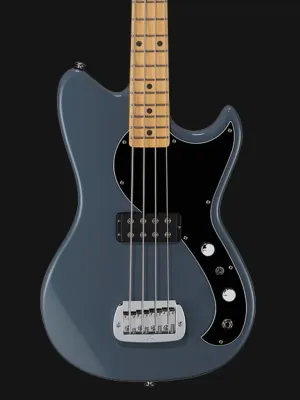
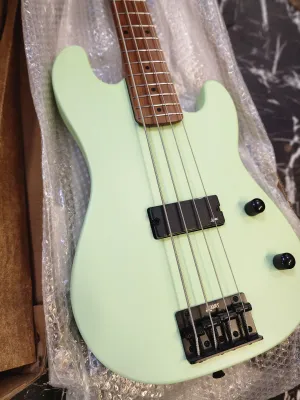
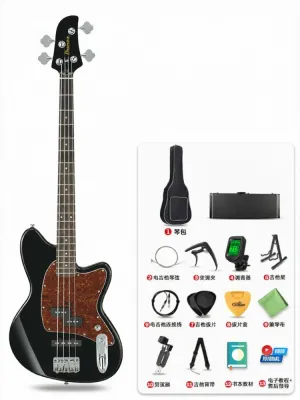
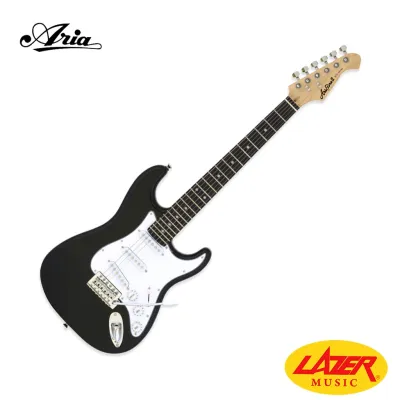
Prices are valid at publication and may change. Please refer to the product page for the latest price.
Beyond physical comfort, scale length directly influences the physics of the strings, which in turn shapes the instrument’s tone. Because the strings on a short scale bass are shorter, they require less tension to tune to standard pitch. This lower tension makes the strings feel looser and easier to press down against the frets, reducing finger fatigue during long practice sessions. For beginners building up finger strength and calluses, this softer feel can make the difference between a frustrating practice session and an enjoyable one.
This lower string tension also produces a distinct sonic character. Short scale basses are known for their warm, fat, and focused low-end frequencies. The reduced tension limits some of the bright, metallic snap found in longer instruments, resulting in a rounder tone that sits beautifully in a musical mix. Whether you are interested in classic rock, reggae, indie pop, or jazz, this warm tonal profile provides a solid foundation for many musical genres.
Key Specifications to Evaluate
When shopping for a short scale bass guitar, navigating the technical jargon can be challenging for a beginner. Understanding the physical construction and electronic components of the instrument allows you to look past aesthetic appeal and evaluate how the bass will actually perform. By focusing on a few critical specifications, you can ensure that your chosen instrument matches your physical needs and musical goals.

Scale Length and Neck Profile
While 30 inches is the industry standard for a short scale bass, some models may measure slightly shorter, around 28.5 inches, or slightly longer, at 32 inches. For most beginners, a true 30-inch scale offers the ideal balance of compact size and standard string tension. It is highly recommended to verify the exact scale length in the manufacturer specifications rather than relying solely on product titles, as some listings can be misleading.
The neck profile, which refers to the shape of the back of the neck, is another critical factor for hand comfort. Common profiles include the rounded C-shape, which fits naturally in most hands, and the chunkier U-shape, which provides more support for players who prefer a substantial grip. Additionally, pay attention to the nut width—the width of the fretboard where it meets the headstock. A narrower nut width, typically around 38 millimeters, makes it easier to wrap your hand around the neck, facilitating faster single-note runs and comfortable chord shapes.
Ergonomic balance is equally important, particularly when playing while standing. Some short scale basses suffer from a phenomenon known as neck dive, where the headstock is heavier than the body, causing the neck to pull downward. To prevent shoulder strain, look for instruments with lightweight tuning pegs and well-contoured bodies that sit comfortably against your torso. In the humid climate of the Philippines, choosing an instrument with a stable neck wood, such as roasted maple or multi-laminate construction, can also prevent warping over time.
Pickups and Electronics Configuration
The pickups are the heart of your bass guitar’s sound, translating string vibrations into electrical signals. The two most common configurations you will encounter are split-coil and single-coil pickups. A split-coil pickup delivers a punchy, mid-range-focused tone with built-in hum cancellation, making it incredibly versatile for rock, punk, and soul. Single-coil pickups offer a brighter, clearer sound with more defined highs, though they can sometimes introduce a slight hum when used individually near electronic devices.
You will also need to choose between passive and active electronics. Passive basses require no external power source and rely on simple volume and tone controls to shape your sound. They are highly reliable, easy to maintain, and offer a classic, organic tone. Active basses feature an onboard preamp powered by a 9-volt battery, providing greater control over specific frequency bands. While active electronics offer more tonal versatility, they require regular battery replacements and are more sensitive to the high humidity levels common in tropical environments, which can corrode battery terminals if not properly maintained.
When inspecting a bass in person or immediately after delivery, perform a quick check of the electronics. Turn the volume and tone knobs slowly from zero to ten while the instrument is plugged into an amplifier. The sweep should be smooth and gradual, without any sudden drops in volume or crackling noises, which often indicate dust or poor soldering inside the control cavity.
Setting a Realistic Starter Budget
Establishing a budget for your first bass guitar involves looking at the total cost of ownership rather than just the price of the instrument itself. For beginners in the Philippines, starter instruments generally fall into distinct conceptual tiers. Entry-level instruments focus on providing essential playability and basic hardware, making them highly accessible for those testing the waters. Moving up to the intermediate step-up tier typically yields improvements in wood selection, fret finishing, and hardware durability, which can make the instrument easier to keep in tune and more resilient against tropical humidity.
When planning your budget, it is vital to allocate funds for essential accessories. A bass guitar cannot be heard clearly without an amplifier, so a small practice amp is a non-negotiable purchase. You will also need an instrument cable to connect the bass to the amp, a comfortable strap to support the weight of the instrument, an electronic tuner to keep your strings in pitch, and a padded gig bag to protect the wood from sudden temperature and humidity changes when traveling.
Many beginners consider purchasing a used short scale bass to save money, which can be an excellent option if approached with caution. When buying used, you must carefully inspect the instrument for structural issues that are costly to repair. Check the straightness of the neck and ensure the truss rod—the internal metal rod used to adjust neck curvature—is fully functional and not stripped. If you prefer peace of mind, buying a new instrument from an authorized dealer ensures you receive a manufacturer warranty and a setup that is ready to play out of the box.
Where to Buy and Pre-Purchase Checks
Deciding where to purchase your short scale bass guitar involves weighing the convenience of online shopping against the security of an in-store experience. Visiting a local music store allows you to physically hold the instrument, feel the neck profile, and hear how it sounds through different amplifiers. This hands-on testing is invaluable for beginners who may not yet know what neck shape or weight feels most comfortable.
Alternatively, ordering from authorized online retailers or official brand stores on ecommerce platforms offers access to a wider selection of models and colors that may not be stocked locally. If you choose to buy online, ensure the retailer has a robust return policy and secure packaging standards to protect the instrument during transit. The high humidity and heat during shipping in the Philippines can occasionally cause wood to shift, making immediate post-delivery inspections crucial.
Once your bass arrives, perform a thorough physical inspection before discarding the packaging. Run your fingers along the edges of the fretboard to check for sharp fret ends, a common issue known as fret sprout that occurs when dry wood shrinks and exposes the metal fret wires. Check the neck relief by looking down the edge of the fretboard from the headstock to the body; it should have a very slight, consistent curve rather than a dramatic bow or twist. Finally, verify the warranty terms and keep your official receipt safe, as authorized distributors require proof of purchase for any future service or adjustments.
Frequently Asked Questions (FAQ)
Do I need a special amplifier for a short scale bass?
No, you do not need a specialized amplifier designed specifically for short scale instruments. Any standard bass guitar amplifier will work perfectly, as the electrical signal produced by a short scale bass operates on the same frequencies as a standard-scale instrument. For home practice in typical residential spaces, a compact amplifier rated between 15 to 40 watts with an 8-inch or 10-inch speaker is ideal, providing clear low-end definition without overwhelming your room or disturbing neighbors.
Can I use standard bass strings on a short scale bass?
It is highly recommended to avoid using standard long scale strings on a short scale bass guitar. Long scale strings are designed for a 34-inch distance, meaning the thick, fully wound portion of the string will extend past the nut and wrap around the tuning pegs. This can cause the string to crimp, slip, or even snap at the headstock. Always purchase strings explicitly labeled as short scale to ensure the tapered portion of the string aligns correctly with the tuning posts, which also helps maintain proper string tension and tuning stability.
Is a short scale bass suitable for playing in a band?
Yes, short scale basses are fully capable of performing in a live band setting and have been used by professional musicians across many genres for decades. While they produce a slightly warmer and less bright tone than standard basses, they easily cut through a live mix when paired with the right amplification. Adjusting your amplifier’s equalizer by slightly boosting the low-mids can enhance your presence in a band mix, ensuring your bass lines remain clear and powerful alongside drums and guitars.

Community discussion
Share your experience or ask a question. Comments are reviewed before publication.