
Choosing your first bass guitar is an exciting milestone, but technical spec sheets can quickly feel overwhelming. To make the best choice, beginners should focus on four core specifications: scale length, string count, pickup configuration, and whether the electronics are active or passive. Prioritizing these elements ensures you select an instrument that is physically comfortable, matches your musical goals, and fits your maintenance preferences.
Whether you are budgeting around ₱10,000 to ₱20,000 for your first setup or browsing online marketplaces, focusing on these physical and electronic details will help you find a reliable instrument that keeps you motivated to practice.
Scale Length: Matching the Instrument to Your Hand Size
Scale length refers to the distance between the nut and the bridge saddle, which determines the vibrating length of the strings. The industry standard for a full-size bass guitar is a 34-inch scale length, often referred to as long scale. While this standard scale provides a tight, punchy low-end response, it also requires a wider fret spacing that can be challenging for players with smaller hands.
Products mentioned in this guide
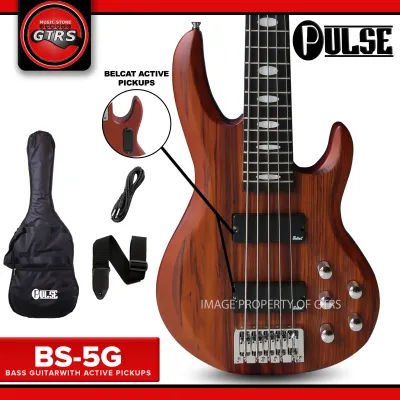
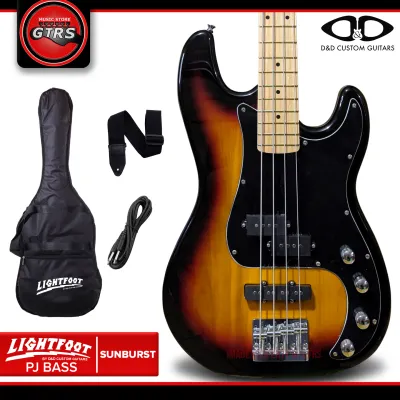
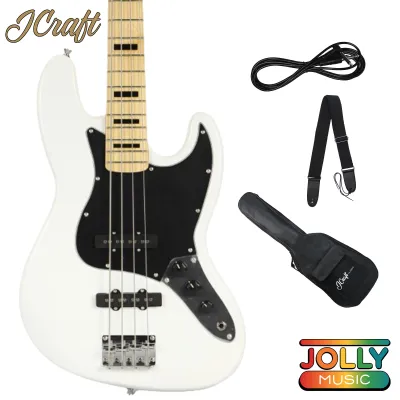

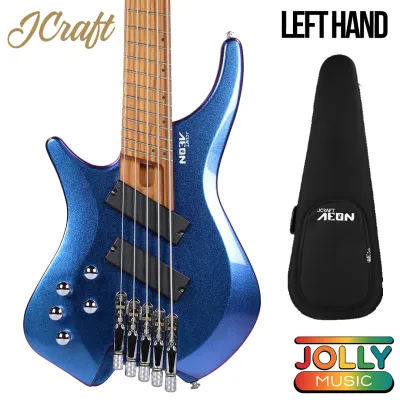
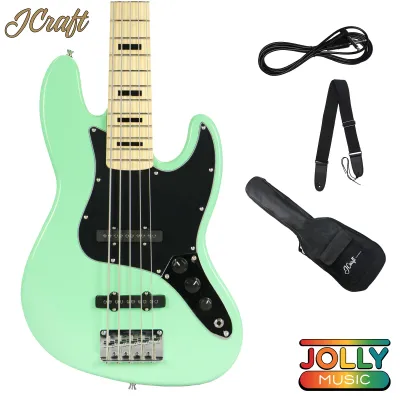
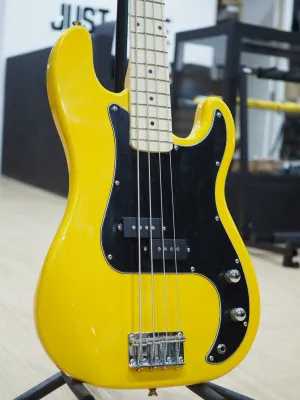
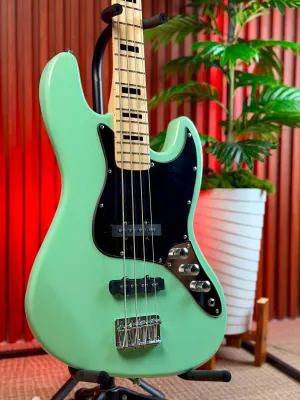
Prices are valid at publication and may change. Please refer to the product page for the latest price.
For those seeking a more physically manageable instrument, short-scale basses (typically 30 inches) are an excellent alternative. Shorter scales reduce the overall physical reach required to play lower frets and feature lower string tension, making the strings easier to press down. This is particularly beneficial for beginners building finger strength or musicians transitioning from the regular electric guitar.
When shopping online, always verify the exact scale length in the manufacturer’s specification sheet rather than relying on product photos. Some compact body designs can make a standard 34-inch bass look smaller than it actually is. Additionally, in tropical climates with high humidity, a shorter neck can sometimes be slightly less prone to drastic seasonal bowing, though regular truss rod checks remain essential for any scale length.
Number of Strings: Starting with Four vs. Expanding to Five
The vast majority of music teachers and experienced players recommend starting with a traditional four-string bass guitar. A four-string model is tuned in standard fourths (E-A-D-G), which aligns perfectly with almost all beginner instructional books, online tutorials, and foundational music theory exercises. The narrower neck profile of a four-string bass also allows your fretting hand to maintain a comfortable, ergonomic position as you learn to navigate the fretboard.

Stepping up to a five-string or six-string bass introduces an extended lower or higher range, but it comes with a steeper learning curve. A five-string bass adds a low B string, which is highly useful for modern metal, gospel, and certain electronic pop genres. However, the wider neck required to accommodate the extra string can cause hand fatigue for beginners, and you will need to master advanced muting techniques to keep the unused strings from vibrating.
Before committing to an extended-range instrument, analyze the specific genres of music you plan to play. If your favorite songs do not actively require notes below the low E, a four-string bass remains the most practical and comfortable tool for mastering the basics. You can always transition to a five-string model later once your finger strength and muting habits are fully developed.
Pickup Types and Configurations: Shaping Your Core Tone
Pickups are the magnets wrapped in wire that capture the vibrations of your strings and send them to your amplifier, serving as the heart of your instrument’s tone. For beginners, the three most common pickup styles to look for are Precision-style (P-bass) split-coils, Jazz-style (J-bass) single-coils, and humbuckers. Each style offers a distinct sonic signature and handles electrical interference differently.
Precision-style split-coil pickups are divided into two halves, which naturally cancels out electrical hum. They produce a warm, woody, and mid-range-focused tone that sits perfectly in almost any musical mix. Jazz-style single-coil pickups, usually placed in pairs near the middle and bridge, offer a brighter, more articulate sound with clear highs. However, single-coils can introduce a slight hum when played near household appliances or fluorescent lighting. Humbuckers use two coils side-by-side to eliminate noise entirely, delivering a thick, powerful, and high-output sound.
The physical placement of these pickups also dictates your tone; a pickup closer to the neck sounds warm and bassy, while one closer to the bridge sounds bright and punchy. When evaluating a bass, check the official specification list to confirm the pickup type. Some budget instruments use plastic covers that mimic the look of expensive humbuckers or split-coils while housing basic single-coils inside, so reading the technical spec sheet is the only way to guarantee what you are buying.
Active vs. Passive Electronics: Choosing Your Control Level
The debate between active and passive electronics comes down to how much control you want over your sound directly from the instrument. Passive bass guitars are the traditional standard; they require no external power source, meaning you never have to worry about a battery dying during a practice session. Passive controls are straightforward, typically consisting of a simple volume knob and a master tone control that rolls off the high frequencies for a warmer sound.
Active bass guitars feature an onboard preamp powered by a 9-volt battery. This preamp allows you to actively boost or cut specific frequency bands, such as bass, mid-range, and treble, giving you immense tonal flexibility before the signal even reaches your amplifier. The trade-off is that active electronics require regular battery replacement, and if the battery dies, the instrument will usually stop producing sound entirely.
If you decide on an active bass, check the manufacturer’s specifications to see if the model includes an active/passive bypass switch. This feature allows you to flip a switch and run the bass as a traditional passive instrument if your battery runs out of power. For beginners in humid tropical regions, passive electronics are often favored for their sheer reliability, as battery compartments can occasionally suffer from corrosion if left unchecked in high-humidity environments.
Body Wood and Shape: Evaluating Comfort and Weight
The physical design and weight of a bass guitar directly impact how long you can comfortably practice without experiencing shoulder or back strain. Bass guitars are generally heavier than standard electric guitars, making the body shape and wood selection critical comfort factors. Look for bodies with ergonomic contours, such as a belly carve on the back and a forearm bevel on the front, which prevent the edges of the instrument from digging into your body.
The length of the upper horn is another crucial design element; a longer upper horn helps balance the instrument on a strap, preventing “neck dive,” which is when the headstock pulls downward and forces you to support the neck with your fretting hand. While traditional tonewoods like alder, ash, and mahogany are praised for their resonant qualities, their weight can vary significantly. Beginners should focus less on the theoretical tonal properties of the wood and more on the actual physical weight of the instrument.
When purchasing online, always check the listed weight in the product specifications. A bass weighing between 3.6 and 4.2 kilograms is generally considered comfortable for most players. If you plan to practice standing up or have a smaller physical frame, prioritizing a lightweight body material or a slightly downsized body shape will make your learning experience far more enjoyable.
Frequently Asked Questions (FAQ)
Does the brand name guarantee better specifications for a beginner?
Established musical instrument brands often provide more consistent quality control, reliable factory setups, and dependable warranty coverage, which are highly valuable for beginners. However, a brand name alone does not guarantee that a specific model’s technical specifications will suit your personal needs. It is always wiser to compare the actual spec sheet—such as scale length, pickup types, and neck dimensions—rather than buying an instrument solely based on the logo on the headstock. Many entry-level models from reputable brands offer excellent specifications that rival more expensive mid-tier options.
Should I buy a fretless bass as my first instrument?
For absolute beginners, starting with a standard fretted bass is highly recommended. Fretless basses lack the metal frets that mark where each note lies, requiring the player to rely entirely on precise finger placement and a highly developed ear for correct intonation. Building your foundational muscle memory, left-hand finger placement, and basic music theory is much easier when you have physical frets to guide you. Once you have mastered the basics of pitch and fingerboard navigation on a fretted instrument, transitioning to a fretless bass will be a much smoother and less frustrating process.
Community discussion
Share your experience or ask a question. Comments are reviewed before publication.