
Solitude is not merely the absence of other people; it is a fertile ground for self-discovery and mental restoration. When looking for meaningful ways to maximize your solo hours—perhaps as part of a personal list of 200 things to do alone—self-help books offer structured guidance to transform quiet moments into active personal growth. The key is selecting books that do not just fill the silence, but actively teach you how to navigate your inner world, build sustainable habits, and cultivate a healthier relationship with yourself.
Choosing the right reading material requires moving past flashy covers and grand promises. By focusing on evidence-based frameworks, matching books to your specific developmental goals, and selecting the most practical formats for your lifestyle, you can turn any quiet afternoon into a powerful session of self-improvement. This guide outlines how to evaluate, select, and integrate self-help literature into your solo routine for lasting personal development.
How to Choose Self-Help Books for Solitude
Not all self-help books are created equal, especially when your goal is to foster healthy solitude. The first step in choosing a book is distinguishing between literature that promotes constructive, restorative solitude and literature that encourages unhealthy isolation. Restorative solitude leaves you feeling recharged, reflective, and more connected to your personal values. In contrast, books that focus excessively on hyper-independence or treating social connections as distractions can inadvertently foster isolation and loneliness. Look for authors who treat solitude as a tool for self-replenishment so that you can return to your relationships and daily responsibilities with greater clarity and empathy.
Products mentioned in this guide
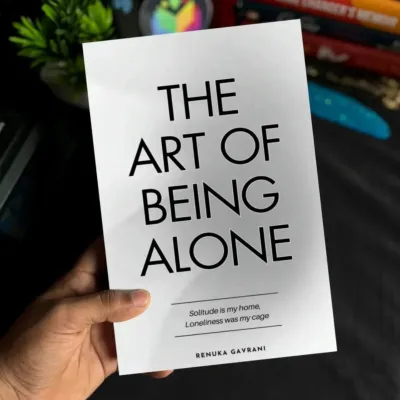


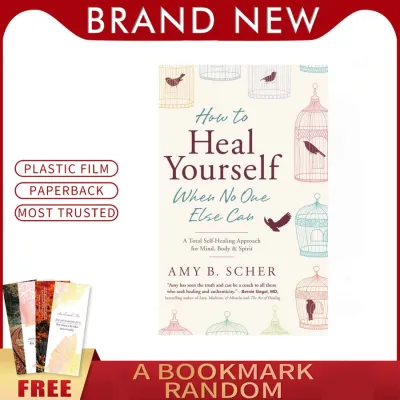
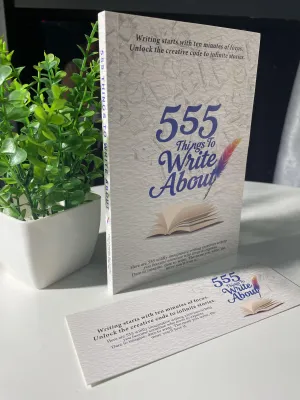
Prices are valid at publication and may change. Please refer to the product page for the latest price.
To ensure the advice you are reading is reliable, look closely at the author’s credentials and the psychological frameworks they employ. Books written by clinical psychologists, licensed therapists, researchers, or established behavioral experts are generally grounded in proven methodologies like Cognitive Behavioral Therapy (CBT), Acceptance and Commitment Therapy (ACT), or mindfulness-based stress reduction. Be cautious of titles that rely solely on anecdotal success stories, sensationalist marketing, or quick-fix promises. A credible self-help book should explain the underlying behavioral science behind its advice, giving you a clear understanding of why certain exercises or habits work.
Additionally, evaluate the book’s readability and chapter structure to ensure it fits into your typical alone time blocks. If your solo hours are broken up into short intervals, such as a morning commute or a quick lunch break, books with bite-sized chapters, daily reflections, or bulleted summaries are highly practical. If you have dedicated, uninterrupted hours on the weekend, you can opt for denser, narrative-driven frameworks that require deep concentration. Flipping through the table of contents or reading a sample chapter beforehand can help you determine if the author’s writing style and pacing match your current attention span and reading habits.
Matching Books to Your Personal Growth Goals
To get the most out of your reading, align your book selection with the specific areas of personal growth you want to address during your alone time. If your primary goal is to find peace, manage stress, or reduce anxiety in quiet moments, focus on emotional regulation and mindfulness titles. Spending time alone can sometimes bring uncomfortable thoughts or worries to the surface. Books that teach grounding techniques, emotional acceptance, and cognitive reframing provide the tools needed to sit with your thoughts without judgment, turning potentially anxious quiet hours into a calm, restorative experience.

If you want to use your quiet hours to boost productivity or learn new skills, look into deep work frameworks and habit-formation guides. Solitude provides the distraction-free environment necessary to digest complex strategies and plan your personal or professional projects. Books that break down the science of habit loops—explaining how cues, routines, and rewards shape our daily lives—offer practical scaffolding for building discipline. Reading these frameworks during your alone time allows you to immediately map out personal schedules, set boundaries, and design a distraction-free environment that supports your long-term ambitions.
For those seeking deeper self-discovery, self-reflection and guided journaling books are excellent choices. These books go beyond passive reading by incorporating interactive prompts, self-assessment questionnaires, and structured writing exercises. Engaging with these prompts during your solo hours encourages you to actively process your past experiences, identify core values, and clarify your future goals. Writing down your reflections helps solidify the concepts you read, transforming theoretical advice into highly personalized breakthroughs that you can apply directly to your daily life.
Evaluating Formats and Editions for Solo Reading
Choosing the right format for your self-help books can significantly impact your comfort and engagement during solo reading sessions. Physical books, e-books, and audiobooks each offer distinct advantages depending on your environment and lifestyle. In tropical climates like the Philippines, high humidity can warp physical book pages or cause yellowing over time if they are not stored in a dry, well-ventilated space. However, physical books offer a tactile experience free from digital notifications, making them ideal for deep, focused reading sessions away from screens.
E-readers and digital tablets provide unmatched portability and convenience, allowing you to carry an entire library of self-help titles wherever you go. They often feature built-in dictionaries, adjustable font sizes, and highlighting tools that make it easy to save key passages for future reference. If you plan to read outdoors, such as in a park or on a balcony, ensure your e-reader has a glare-free screen that remains legible under bright sunlight. Keep in mind that digital devices require battery management, so you will need to plan ahead if you are spending a full day reading off the grid.
Audiobooks are highly versatile and allow you to absorb personal development concepts while keeping your hands and eyes free. They are particularly useful for individuals who find it difficult to sit still for long periods or those who want to utilize transitional moments throughout the day. When choosing digital formats, always verify the licensing and regional availability on your preferred platform, as some titles may be restricted in certain countries. Additionally, check if the digital or audio version is unabridged, as abridged editions may omit crucial worksheets, diagnostic tests, or appendices that are essential for completing the book’s practical exercises.
Adding Self-Help Books to Your 200 Things to Do Alone
When building a personal list of 200 things to do alone, it is easy to focus primarily on external activities like visiting cafes, exploring museums, or trying new crafts. However, integrating self-help reading into your solo routine grounds these activities in internal growth, ensuring your alone time is both restorative and productive. One effective strategy is pairing audiobooks with physical solo activities. Listening to a chapter on habit formation or mindfulness while walking through your neighborhood, organizing your living space, or preparing a healthy meal turns routine chores into opportunities for mental enrichment.
To maximize the impact of physical books or e-books, combine your reading sessions with active journaling. Instead of reading passively from cover to cover, practice the “read-reflect-write” loop. Read a single section or chapter, pause to think about how the concepts apply to your current life situation, and write down your thoughts in a dedicated notebook. This active engagement helps transition the book’s advice from abstract theory into concrete action steps, making it much easier to implement positive changes in your daily routine.
Finally, set realistic reading goals that respect your daily energy levels to prevent self-improvement burnout. Unstructured alone time should be a break from pressure, not another source of stress. Avoid the temptation to rush through multiple books just to cross them off a list. Dedicating just fifteen to thirty minutes of focused, distraction-free reading to a high-quality self-help book each day is far more beneficial than skimming an entire book in one sitting. By pacing yourself, you allow the concepts to settle, giving your mind the space it needs to process, adapt, and grow.
Frequently Asked Questions (FAQ)
How many self-help books should I read at once during alone time?
It is generally best to focus on one or at most two self-help books at a time. Reading too many titles simultaneously can lead to cognitive overload, as different authors may present conflicting frameworks or advice. To prevent confusion, you might pair one dense, theory-heavy book for deep weekend reading with a lighter, daily-reflection book that features short, actionable passages for your morning routine. This approach keeps your learning structured and allows you to fully digest and implement the strategies from one book before moving on to the next.
Are audiobooks as effective as physical books for personal growth?
Audiobooks can be highly effective, but their utility depends on your learning style and the type of content you are consuming. Audiobooks excel at delivering narrative-driven self-help, motivational concepts, and memoirs, making them perfect for passive listening during physical tasks like commuting or exercising. However, for books that contain complex psychological frameworks, step-by-step exercises, or journaling prompts, physical books or e-books are usually superior. Written formats allow you to easily pause, highlight key passages, flip back to previous chapters, and take detailed notes at your own pace.

Community discussion
Share your experience or ask a question. Comments are reviewed before publication.