
Currently, neither SB19 nor BINI has released their major albums or EPs on standard, mass-market cassette tapes. While physical releases like CDs, USB drives, and photobooks are highly popular among P-Pop collectors, cassette tapes remain an exceptionally rare format. Any cassette tapes currently circulating online are almost exclusively unofficial fan-made bootlegs, custom art projects, or highly restricted promotional items. If you are looking to add official SB19 or BINI music to your physical collection, you will need to focus on their official CD and USB releases, or carefully verify any secondary market listings claiming to be official cassette merchandise.
Collecting physical media from leading P-Pop groups like SB19 and BINI offers a unique way to support the artists and display fandom pride. However, because cassette tapes are typically produced as limited-run merchandise rather than standard mass-market albums, not every digital or CD release receives a tape counterpart. This guide helps collectors identify genuine releases, verify playback compatibility, and safely navigate both official and secondary markets to build a reliable cassette collection.
Understanding P-Pop Cassette Merch and Releases
The landscape of physical music merchandise in the Philippines has evolved dramatically. While digital streaming platforms dominate daily music consumption, physical formats have transitioned into premium collector’s items. For P-Pop groups like SB19 and BINI, physical releases are designed to be immersive experiences, featuring elaborate photobooks, collectible photocards, and limited-edition packaging.
Products mentioned in this guide
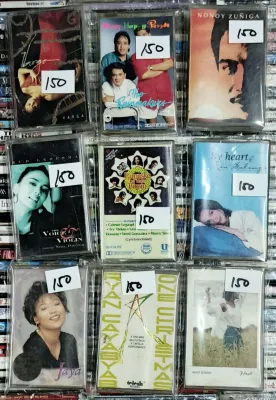
Prices are valid at publication and may change. Please refer to the product page for the latest price.
In this modern ecosystem, cassette tapes occupy a highly niche, nostalgic position. Unlike standard CD releases, which are more readily manufactured, cassette tapes require specialized duplication facilities that are increasingly rare. Consequently, record labels rarely choose cassettes as a primary release format for major album rollouts. When cassettes are produced, they are typically positioned as ultra-limited promotional items or special anniversary memorabilia.
It is crucial for collectors to understand that a digital release does not automatically guarantee a physical counterpart, let alone a cassette tape. Major EPs and albums from SB19, such as Pagsibol and PAGTATAG!, and BINI’s hit releases like Born to Win and Talaarawan, were primarily designed for digital platforms, with physical editions focused on CDs, USB drives, or elaborate photobook packages. Any listing claiming to offer a standard retail cassette tape of these albums should immediately raise questions.
Furthermore, collectors must distinguish between fully playable audio cassettes and novelty display items. Some modern pop merchandise includes cassette-shaped USB drives or decorative plastic shells that contain no actual magnetic tape. A true audio cassette features a continuous loop of magnetic tape wound around two internal spools, designed to be read by an analog tape head. Understanding these physical differences prevents disappointment when purchasing items intended for active playback.
Verifying Authentic SB19 and BINI Cassettes
Because official cassette releases are exceptionally rare in the P-Pop scene, the secondary market is flooded with custom, fan-made, or bootleg tapes. While custom tapes can be beautiful art projects for personal display, they should never be sold or purchased under the guise of official merchandise. Verifying the authenticity of a cassette tape requires a keen eye for detail and a systematic approach to inspecting the physical product.

Your first line of defense is checking for official record label logos printed directly on the packaging and the cassette shell. For SB19, look for the official branding of 1Z Entertainment or their associated distribution partners. For BINI, authentic releases will feature the Star Music or ABS-CBN Music logos. These logos must be crisp, correctly proportioned, and professionally printed; blurry, pixelated, or poorly aligned logos are immediate indicators of a counterfeit or home-printed J-card.
Inspect the overall packaging quality and the materials used. Official merchandise is produced using high-grade offset printing presses, resulting in sharp text, vibrant colors, and smooth gradients on the J-card (the paper inlay inside the plastic case). In contrast, bootleg copies often rely on consumer-grade inkjet or laser printers, which leave visible printing dots, lines, or oversaturated colors. Additionally, official releases in the Philippines often feature specific security elements, such as holographic stickers or official merchandise seals.
The cassette shell itself offers critical clues. Official releases typically feature pad-printed text and logos stamped directly onto the plastic shell using durable, high-contrast ink. Unofficial or fan-made cassettes often use paper labels printed at home and glued onto a blank cassette shell. If you see a cassette with hand-cut paper stickers covering the plastic, it is highly likely a custom creation rather than an officially licensed release.
Before committing to a purchase, always cross-reference the listing with official artist announcements. Check the verified social media accounts of SB19, BINI, 1Z Entertainment, and Star Music to confirm if a cassette edition was ever officially produced. If there is no record of an official cassette release announcement, any copy available on the market is an unofficial bootleg, regardless of how professional the packaging appears.
Checking Equipment and Playback Compatibility
If you manage to acquire a genuine P-Pop cassette tape or a high-quality custom release, playing it requires the right hardware to avoid damaging the delicate magnetic tape. Modern cassette merchandise is almost exclusively duplicated on Type I normal bias (ferric oxide) tape. While Type I tape is highly compatible with virtually all cassette players, it has a higher noise floor, resulting in the classic analog tape hiss that collectors often find charming.
To enjoy your music without risking tape damage, avoid ultra-cheap, modern portable cassette players commonly sold on online marketplaces. These low-cost players often use low-quality plastic transport mechanisms, unstable motors, and poorly aligned tape heads. They are notorious for having high wow and flutter (speed fluctuations) and, worse, physically chewing, stretching, or snapping the magnetic tape during playback.
Instead, invest in a serviced vintage portable player from a reputable audio brand, or a dedicated home cassette deck. Vintage equipment from the golden age of analog audio features robust metal transport mechanisms, precise motors, and high-quality tape heads that deliver superior sound reproduction. Ensure that any vintage player you purchase has been professionally serviced, which typically involves replacing worn rubber belts, calibrating the motor speed, and aligning the playback head.
Regular maintenance of your playback equipment is essential for preserving both the machine and your cassette collection. Over time, microscopic oxide particles from the magnetic tape rub off onto the playback head, capstan, and rubber pinch roller. This buildup causes muffled sound, speed instability, and can eventually cause the tape to wrap around the capstan. Clean these components regularly using a cotton swab lightly dipped in 99% isopropyl alcohol, ensuring the parts are completely dry before inserting a tape.
Using degraded, untested, or poorly calibrated players on rare collector tapes carries immense risk. A single malfunction can ruin a highly valuable, irreplaceable cassette in seconds. Always test a newly acquired or long-unused player with a cheap, common cassette tape first to verify that the transport mechanism operates smoothly, the auto-reverse functions correctly, and the audio plays without speed fluctuations before inserting your prized P-Pop tapes.
Sourcing Official and Secondary Market Copies
Navigating the market for rare P-Pop physical media requires patience and caution to avoid scams, overpricing, and unauthorized reproductions. When searching for official releases, always prioritize authorized channels first. These include the official online merchandise stores of the artists, authorized physical record shops in major metropolitan areas, and official pop-up events or concert merchandise booths in the Philippines.
When official channels are sold out, collectors must turn to secondary market platforms, such as collector groups on social media, online marketplaces, and specialized physical music buy-and-sell shops. When evaluating listings on these platforms, prioritize sellers who have established positive reputations within the local P-Pop collecting community. Look for detailed seller ratings, positive transaction histories, and active participation in collector forums.
Always request customized, high-resolution photos of the actual item being sold. A common tactic among scammers is using official promotional graphics or stealing photos from other collectors’ social media posts. Ask the seller to take a photo of the cassette tape next to a handwritten note containing their username, the current date, and a specific phrase. This simple step proves that the seller physically possesses the item and helps prevent payment scams.
Be vigilant against common red flags in secondary market listings. If a seller uses stock photos exclusively and refuses to provide actual pictures of the cassette, walk away from the transaction. Be highly skeptical of prices that seem unusually low; for example, if a rare, limited-edition promotional cassette is listed for only ₱300 when its market value among collectors is significantly higher, it is likely a bootleg or a fraudulent listing. Conversely, avoid rushed purchases driven by artificial scarcity or high-pressure sales tactics.
Finally, beware of unauthorized third-party pre-orders. Some unscrupulous sellers offer pre-orders for custom or bootleg cassette tapes of upcoming or recently released albums before any official physical merchandise has even been announced. Only trust pre-order announcements that come directly from the official social media channels of SB19, BINI, or their respective record labels.
Evaluating Condition and Pricing for Collectors
When purchasing pre-owned cassette tapes on the secondary market, understanding how to evaluate their physical condition is essential for determining a fair price. Collectors generally adapt standard media grading terms, such as those from the Goldmine standard, to assess the value of cassettes. A tape graded as Mint (M) is absolutely perfect, usually sealed in its original shrink-wrap, with no scuffs on the plastic case and no fading on the J-card.
Near Mint (NM) tapes are unsealed but show virtually no signs of wear or play. The J-card is crisp with no creases, writing, or discoloration, and the cassette shell is pristine. Very Good Plus (VG+) tapes may show minor signs of use, such as light scuffs on the plastic outer case or slight wear along the folds of the J-card, but the tape itself plays flawlessly. Tapes graded as Very Good (VG) or below will have visible wear, potential writing on the label, or minor sound degradation, which should significantly lower their market value.
When buying from individual sellers, always factor in the cost of shipping and the necessity of protective packaging. Cassette cases are made of brittle polystyrene plastic that can easily crack, chip, or shatter under pressure during transit. Insist that the seller package the cassette in a sturdy cardboard box with ample bubble wrap, rather than a simple plastic bubble mailer. Proper packaging ensures that your investment arrives in the exact condition described in the listing.
Set a realistic personal budget based on the item’s verified rarity, its original retail price, and your intended use. If you are purchasing a cassette purely as a visual display piece to sit on a shelf alongside your photocards and lightsticks, minor tape degradation or a scuffed case may be acceptable trade-offs that allow you to negotiate a lower price. However, if you intend to play the tape regularly, prioritize the mechanical condition of the shell and the visual cleanliness of the magnetic tape to ensure a high-quality listening experience.
Frequently Asked Questions (FAQ)
Do SB19 and BINI cassette tapes include digital download codes?
Modern physical music releases from P-Pop artists rarely include digital download codes. Unlike some international vinyl releases that bundle a digital copy of the album, P-Pop physical merchandise is treated primarily as a premium collectible for fans who already consume the music via digital streaming platforms. Buyers should not assume that purchasing a physical cassette tape will grant them access to digital files or high-resolution downloads unless such a feature is explicitly stated on the official packaging or product listing.
How should I store P-Pop cassette tapes in a tropical climate?
The tropical climate of the Philippines, characterized by high temperatures and high humidity, presents unique challenges for preserving analog media. High humidity can encourage the growth of mold and mildew on the magnetic tape, which can ruin the audio quality and damage your playback equipment. To prevent this, store your cassette tapes upright in their plastic cases in a cool, dry room away from direct sunlight. Avoid storing them in airtight plastic bins, as these can trap moisture; instead, use a dedicated storage box with silica gel packets to absorb excess humidity, or keep them in an air-conditioned room or a specialized dry box if available. Additionally, keep your tapes away from strong magnetic fields, such as large speakers or electronic devices, to prevent accidental erasure or sound degradation.

Community discussion
Share your experience or ask a question. Comments are reviewed before publication.