
Choosing your first set of bass strings is one of the most impactful decisions you can make for your instrument’s sound and playability. As a beginner, the choice between roundwound and flatwound strings will shape how your fingers feel against the fretboard and how your bass sits in a musical mix. While roundwound strings are the standard choice for most modern genres due to their bright tone and affordable price, flatwound strings offer a smooth, vintage warmth that is highly durable and gentle on sensitive fingertips. Understanding your musical goals and physical preferences will help you make the right investment from the start.
Many new players overlook strings, focusing entirely on the bass guitar itself. However, the strings are the actual point of contact where your physical energy translates into musical vibration. The material, winding shape, and tension of your strings dictate not only the genre of music you can easily emulate but also how quickly your hands will fatigue during long practice sessions. By comparing these two primary string types, you can avoid unnecessary finger pain and find the exact tone you hear on your favorite recordings.
Core Differences in Tone, Feel, and Playability
To understand the difference between roundwound and flatwound strings, you must look at how they are constructed. A bass string consists of a central metal core wire wrapped with an outer wire. On roundwound strings, this outer wrap is a round wire, which leaves exposed ridges along the entire length of the string. On flatwound strings, the outer wrap is a flat, ribbon-like wire, resulting in a completely smooth, continuous surface that feels polished to the touch.
Products mentioned in this guide
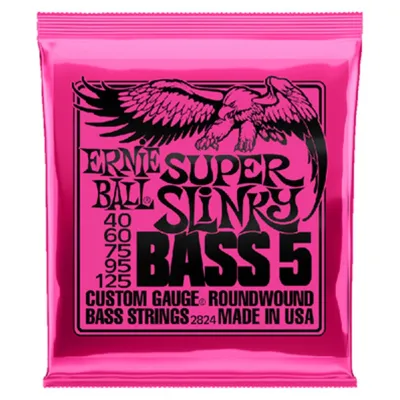


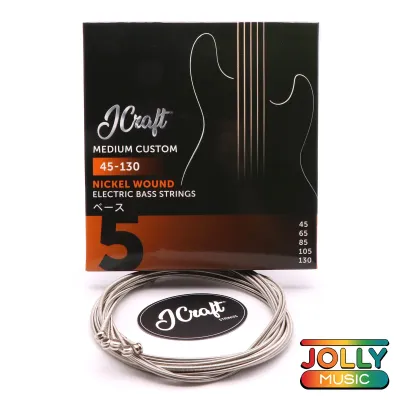
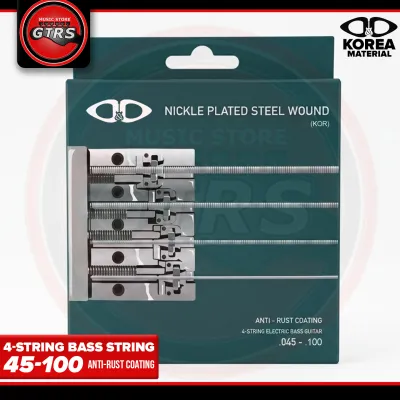
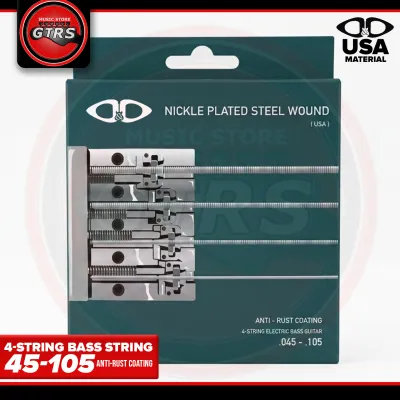
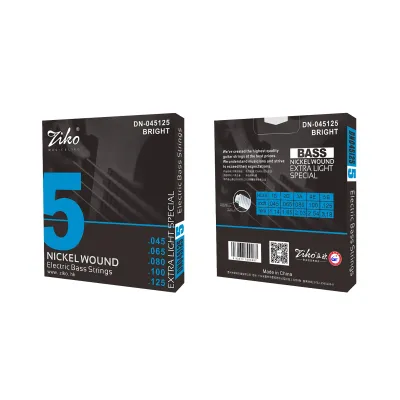
Prices are valid at publication and may change. Please refer to the product page for the latest price.
This physical difference directly affects the tactile feel and finger friction of the instrument. When you slide your fingers along a roundwound string, you will feel the physical ridges of the wraps. This texture creates friction, which can feel abrasive to beginners who have not yet developed protective calluses on their fingertips. Flatwound strings eliminate this friction entirely, allowing your fingers to glide effortlessly up and down the neck without catching on any ridges.
Tonally, the two designs occupy opposite ends of the sonic spectrum. Roundwound strings produce a bright, metallic, and punchy sound that is rich in high-frequency harmonics and sustain. This brightness allows individual notes to cut through a dense band mix with clarity. Flatwound strings deliver a warm, deep, and mellow tone that focuses heavily on the fundamental pitch. They have a much shorter sustain, producing a quick, thumpy decay that closely mimics the classic sound of an upright double bass.
Physical tension is another critical factor that impacts playability for new players. Flatwound strings are wound more tightly and use a stiffer construction, which generally results in higher physical tension at standard pitch. This means you must exert more finger pressure to press the strings down against the frets, which can lead to early hand fatigue. Roundwounds are typically more flexible and pliable under the fingers, making them slightly easier to fret for players who are still building hand strength.
Roundwound Strings: Pros, Cons, and Best Use Cases
Roundwound strings are the industry standard for modern bass playing, installed as the default option on almost every new bass guitar sold today. Their primary advantage is their exceptional tonal versatility. Whether you want to play rock, pop, funk, metal, or modern jazz, roundwounds provide the bright attack and long sustain needed to make your bass lines stand out. They are also highly accessible, widely available in music stores across the Philippines, and generally cost less upfront than flatwounds.

However, the textured surface of roundwounds comes with notable drawbacks for beginners. The rough ridges act like a mild abrasive against your fingertips, which can make long practice sessions uncomfortable during your first few weeks of playing. This texture also produces a distinct “squeaking” sound when you slide your fingers along the neck, which can be difficult to control without clean fretting technique. Furthermore, the gaps between the outer wraps easily trap sweat, skin oils, and dust.
In humid tropical climates, this buildup of moisture and grime happens rapidly. The trapped sweat accelerates corrosion, causing roundwound strings to lose their bright tone and go “dead” within a few weeks or months of regular play. Additionally, the rough surface of roundwounds can cause minor wear on your frets over years of heavy playing, especially if you use stainless steel strings on softer nickel-silver frets.
If your musical goals involve modern genres where the bass needs to be clearly defined, or if you plan to learn techniques like slapping and popping, roundwounds are your ideal starting point. They give you the cutting edge and high-end clarity required to be heard clearly in a band setting.
Flatwound Strings: Pros, Cons, and Best Use Cases
Flatwound strings offer a completely different playing experience that many beginners find highly comfortable. The smooth outer surface eliminates the abrasive friction against your fingertips, allowing for longer, pain-free practice sessions. This smooth profile also eliminates finger-slide noise entirely, resulting in a clean, professional sound even if your fretting technique is still developing. Furthermore, because there are no gaps in the winding to trap dirt and sweat, flatwounds have an incredibly long lifespan.
Because flatwounds do not rely on high-frequency brightness for their signature sound, they do not suffer from the tonal degradation that affects roundwounds. They are designed to sound warm and “broken-in” from day one, and they can remain on your bass for years without needing a replacement. This makes them highly resistant to the humid conditions of tropical environments, as sweat cannot easily penetrate the sealed outer wrap.
The main disadvantage of flatwounds is their high tension, which can make the bass feel stiff and demanding to play. Beginners may find it harder to execute string bends or maintain clean fretting over long periods. Tonally, their dark, vintage character lacks the high-end bite needed for modern rock or slap bass. They can sometimes sound muddy or get lost in a dense mix if the amplifier is not adjusted properly. They also require a higher initial investment in Philippine Pesos (₱) compared to standard roundwounds.
Flatwounds are perfect for beginners who are drawn to classic genres like jazz, Motown, soul, R&B, or reggae. They are also an excellent choice for players with highly sensitive skin or those who prefer a warm, vintage thump over modern brightness.
Side-by-Side Comparison and Decision Framework
To help you visualize the differences and make an informed choice, the following table summarizes the observable traits of both string types:
| Feature | Roundwound Strings | Flatwound Strings |
|---|---|---|
| Surface Texture | Textured, ridged | Smooth, polished |
| Tonal Profile | Bright, punchy, high sustain | Warm, thumpy, quick decay |
| Physical Tension | Lower, more flexible | Higher, stiffer feel |
| Lifespan | Shorter (loses brightness quickly) | Extremely long (lasts for years) |
| Finger Noise | High (squeaks during slides) | Virtually none |
| Fret Wear | Moderate over time | Minimal to none |
| Average Initial Cost | Lower | Higher |
To finalize your purchase decision, use this simple decision framework based on your personal priorities:
- Choose roundwound strings if: You want a versatile, modern sound; you plan to learn slap bass; you want to play rock, metal, or pop; or you prefer a softer string tension that is easier on developing hand muscles.
- Choose flatwound strings if: You prefer a warm, vintage tone; you want to avoid finger-slide noise; you dislike the rough texture of standard strings; or you want a set of strings that you rarely have to replace.
- Verify first if: Your bass is properly set up for your choice. If you are switching from roundwounds to flatwounds, the increased tension will pull on the neck, which may require adjusting the truss rod to maintain comfortable action.
Maintenance, Setup, and Transitioning Between String Types
Transitioning between these two string types is not always a simple swap. Because flatwounds exert higher tension on the neck of your bass, installing them can cause the neck to bow forward. This increases the action (the distance between the strings and the fretboard), making the instrument much harder to play. To correct this, you will need to adjust the truss rod to add counter-tension, followed by adjusting the bridge saddles to correct the intonation.
Maintenance routines also differ based on the string design. For roundwounds, it is crucial to wipe down the strings with a clean microfiber cloth after every session to remove sweat and oils from the ridges. In humid environments, using a specialized string cleaner can help delay corrosion. For flatwounds, a simple wipe-down is usually sufficient, as the sealed surface prevents grime from penetrating the core.
If you are a beginner and feel unsure about adjusting the truss rod or bridge saddles, do not attempt to force the adjustments. Taking your instrument to a qualified guitar technician in your local area is the safest way to ensure a proper setup without risking damage to the neck.
Frequently Asked Questions (FAQ)
Can I mix roundwound and flatwound strings on the same bass?
While it is physically possible to mix string types, it is generally not recommended for beginners. Mixing roundwounds and flatwounds creates a severe tension imbalance across the neck, which can warp the wood over time and make a proper setup impossible. Additionally, the tonal difference between the strings will be highly inconsistent, leaving you with some strings that sound incredibly bright and others that sound deep and muddy.
Do flatwound strings really last longer than roundwounds?
Yes, flatwound strings last significantly longer than roundwounds. Roundwounds rely on their bright, metallic high-end frequencies, which quickly fade as sweat and dirt accumulate in the outer wraps. Once this brightness is gone, they sound dull and must be replaced. Flatwounds, however, are designed to produce a warm, fundamental-focused tone that actually improves as the strings break in. Because their smooth surface prevents dirt from entering the inner core, a single set of flatwounds can easily last for several years of regular play.

Community discussion
Share your experience or ask a question. Comments are reviewed before publication.