
Choosing the right musical instrument is a significant step in any musician’s journey, and the distinction between a Roland digital piano and a Roland keyboard piano often represents two completely different paths. While both instruments carry the prestigious Roland name and utilize advanced electronic components, they are built to serve distinct musical purposes, playing styles, and environments. Understanding the core differences between these two product categories is essential to ensure your investment aligns perfectly with your immediate playing needs and long-term musical goals.
If your primary objective is to learn classical piano, practice traditional repertoire, or enjoy the authentic touch and expressive response of an acoustic grand piano, a Roland digital piano is the ideal choice. These instruments are engineered with fully weighted, hammer-action keys that simulate the physical resistance of acoustic hammers, providing the tactile feedback necessary to develop proper finger strength and expressive control. They serve as excellent, semi-permanent home practice instruments for students, teachers, and dedicated pianists alike.
Alternatively, if your musical interests lean toward music production, live band performances, electronic music, or solo entertainment with auto-accompaniment, a Roland keyboard or synthesizer is the more suitable option. These instruments prioritize portability, real-time sound manipulation, and vast libraries of diverse instrument voices, such as synthesizers, brass, strings, and organs. They feature lighter, unweighted or semi-weighted keys designed for rapid synth lines and organ techniques, making them highly versatile tools for creative exploration and gigging musicians.
Products mentioned in this guide
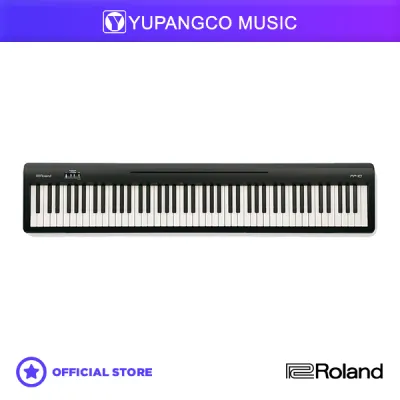
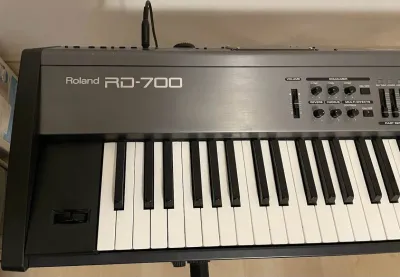
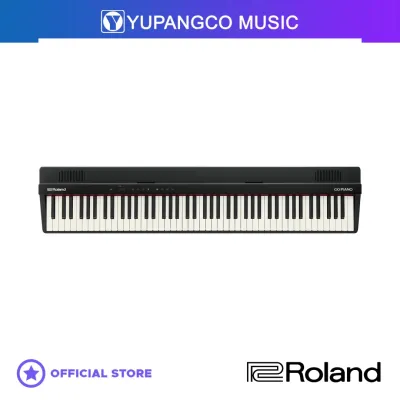
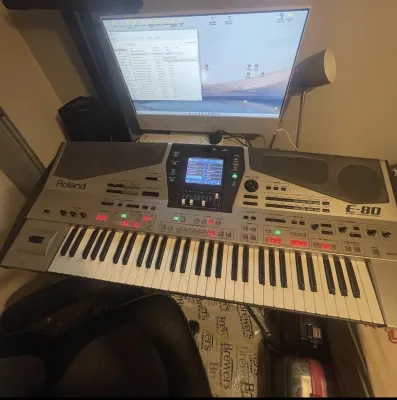
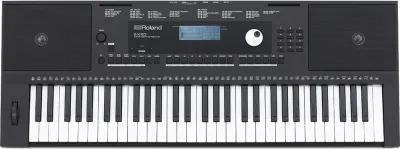
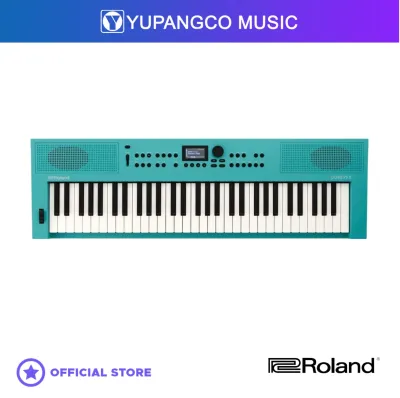
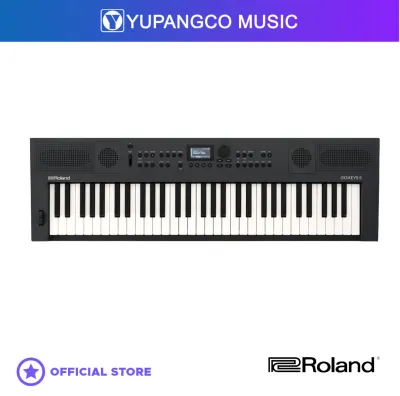
Prices are valid at publication and may change. Please refer to the product page for the latest price.
Key Differences: Action, Sound, and Design
Key Action and Physical Feel
The most critical interface between a player and their instrument is the keybed, and this is where the divergence between digital pianos and keyboards is most pronounced. Roland digital pianos feature weighted hammer-action keybeds, such as the PHA-4 Standard or the hybrid wood-and-molded PHA-50 action. These mechanisms use actual physical weights and pivots instead of springs to replicate the downward resistance and upward rebound of an acoustic piano key. Additionally, higher-end Roland digital pianos incorporate graded weighting—where the lower register keys feel noticeably heavier than those in the treble range—and an escapement mechanism that reproduces the subtle “let-off” feel of a grand piano action.
In contrast, Roland keyboards typically utilize synth-action or semi-weighted keybeds. Synth-action keys are lightweight, spring-loaded, and offer minimal physical resistance, allowing for extremely fast, agile playing that is ideal for executing rapid lead synthesizer lines, complex arpeggios, and percussive drum-pad triggers. Semi-weighted keys offer a middle ground, adding a small amount of resistance to provide a slightly more substantial feel without the heavy physical mechanism of a hammer action. While digital pianos almost universally feature a full 88-key layout to accommodate complete classical compositions, Roland keyboards are available in more compact 61-key and 76-key configurations, alongside standard 88-key models, allowing players to choose the exact balance of range and portability they require.
Sound Engines and Musical Focus
The internal sound generation systems of these instruments are optimized for their respective roles. Roland digital pianos focus heavily on acoustic piano realism, utilizing advanced sound engines like SuperNATURAL Piano Modeling and PureAcoustic Piano Modeling. Instead of simply playing back static audio recordings of a piano, these sophisticated engines construct the sound in real-time, mathematically calculating the complex physical interactions between the strings, the soundboard, the dampers, and the wooden cabinet. This results in a seamless, highly responsive tonal transition from the softest pianissimo to the loudest fortissimo, capturing the organic behavior of a physical acoustic instrument.
Roland keyboards, on the other hand, are designed to be sonic chameleons, often powered by the versatile ZEN-Core Synthesis System or specialized arranger sound engines. These systems are built to handle multi-timbral performance, allowing players to access hundreds or even thousands of distinct sounds, including vintage analog synthesizers, modern digital pads, orchestral brass, realistic woodwinds, world instruments, and acoustic drum kits. Rather than focusing solely on the nuances of a single grand piano sound, a keyboard provides the tools to layer multiple sounds together, split the keyboard into different instrument zones, and apply a wide array of studio-grade digital effects, sequencers, and arpeggiators to shape unique textures.
Form Factor and Portability
The physical design of these instruments dictates where and how they are best used. Roland digital pianos are frequently designed as furniture-style console instruments, complete with elegant wooden cabinets, integrated sliding key covers, and built-in three-pedal lyres that replicate the damper, soft, and sostenuto pedals of an acoustic grand. These console models house multi-channel, downward-firing speaker systems engineered to project sound in a way that mimics the acoustic resonance of a physical piano cabinet, making them heavy, semi-permanent centerpieces for living rooms, studios, or classrooms.
Conversely, Roland keyboards are built with portability and stage performance in mind. Constructed from lightweight yet highly durable composite materials, these instruments are designed to be easily packed into padded gig bags and transported to rehearsals, recording studios, or live venues. They typically omit built-in furniture stands and integrated pedals in favor of portable metal stands and external sustain pedals. While some portable keyboards include modest built-in speakers for personal practice, they are primarily designed to be connected to external keyboard amplifiers, mixing boards, or professional PA systems via dedicated audio outputs to deliver optimal sound in large performance spaces.
Who Should Buy a Roland Digital Piano?
A Roland digital piano is specifically tailored for individuals whose musical journey is centered around the traditional piano discipline. This includes classical piano students, conservatory candidates, music teachers, and home hobbyists who want a dedicated instrument that behaves exactly like an acoustic piano. The primary benefit of this choice is the development of correct physical technique. Playing on a fully weighted hammer-action keyboard builds the finger strength, hand posture, and delicate muscular control required to perform on any acoustic grand piano worldwide, ensuring that a student’s skills transfer seamlessly from home practice to recital halls or examinations.

Beyond technical development, Roland digital pianos offer an aesthetic and practical appeal for home environments. Cabinet models serve as beautiful pieces of furniture that blend naturally into living spaces, while portable slab-style digital pianos offer a space-saving alternative without sacrificing the weighted key feel. The built-in speaker systems are carefully calibrated to disperse piano frequencies evenly, creating an immersive playing experience that closely mimics a physical soundboard.
When exploring Roland’s digital piano lineup, buyers will encounter three primary tiers. The FP series (such as the FP-10, FP-30X, and FP-90X) offers portable, slab-style instruments that are perfect for smaller apartments or musicians who need weighted keys on the go. The RP and F series (such as the RP107 and F107) provide entry-to-mid-range wooden cabinet consoles that offer a traditional look and integrated pedals at an accessible price point. For those seeking the ultimate in touch, sound, and design, the premium HP and LX series represent the pinnacle of Roland’s home console engineering, featuring advanced hybrid key actions and multi-speaker acoustic projection systems.
For players in the Philippines, environmental factors are an essential consideration when installing a digital piano. The country’s tropical climate, characterized by high relative humidity and seasonal temperature fluctuations, can pose risks to sensitive electronic instruments. High humidity can cause internal wooden components in hybrid actions to swell slightly, potentially leading to sticky keys, while moisture can degrade electronic sensors and copper contacts over time. To protect your investment, it is highly recommended to place your digital piano in a well-ventilated, air-conditioned room, away from open windows where sudden tropical downpours might introduce moisture, and out of direct sunlight which can warp the cabinet finish and overheat internal circuit boards.
Who Should Buy a Roland Keyboard or Synthesizer?
A Roland keyboard or synthesizer is the ultimate tool for musicians who view the keyboard not just as a piano, but as a gateway to an infinite world of sound design, performance, and music production. This category is ideal for gigging band members, church worship leaders, electronic music producers, sound designers, and solo entertainers. The primary benefit of choosing a keyboard is the unparalleled level of creative control it offers. With arrayed knobs, sliders, pitch-bend levers, and modulation wheels, players can alter synth filters, adjust envelope attack times, and blend sound layers in real-time during a live performance, creating dynamic, evolving textures that are impossible to achieve on a standard digital piano.
For the active musician, the lightweight design of a keyboard is a massive advantage. Navigating busy urban transit or loading gear into vehicles for gigs in metropolitan areas like Metro Manila is significantly easier with an instrument that weighs under ten kilograms and can be carried in a backpack-style gig bag. Additionally, keyboards are equipped with specialized performance features such as onboard step sequencers, vocoders, multi-effects processors, and automatic accompaniment styles that allow a single player to sound like a full backing band.
Roland’s keyboard catalog is divided into several highly specialized series. The GO series (such as GO:KEYS and GO:PIANO) is designed for beginners and casual creators, offering lightweight, battery-powered playability with intuitive loop-mix functions. The JUNO series (such as the JUNO-DS) is a legendary line of accessible synthesizers, beloved by gigging musicians for its vast library of gig-ready sounds, ease of use, and vocal microphone inputs. For professional music production and complex sound design, the flagship Fantom and Fantom-0 workstation series offer immense processing power, color touchscreens, and deep integration with computer-based digital audio workstations (DAWs). Finally, the E-A series arranger keyboards are specifically engineered for solo performers, featuring dedicated buttons for quick style changes and backing tracks.
In a practical live scenario, a keyboardist in a local band can utilize the instrument’s split and layer capabilities to great effect. During a performance, they can split the keyboard bed so that the lower octaves trigger a warm, analog-style synth bass, while the upper octaves are layered with a lush string pad and a bright brass lead. This allows a single musician to fill out the sonic space of an entire arrangement, easily adapting to different musical genres on the fly.
Side-by-Side Feature Comparison
To help you quickly evaluate which category aligns with your musical requirements, the table below outlines the primary technical and physical distinctions between Roland digital pianos and Roland keyboards.
| Feature | Roland Digital Piano | Roland Keyboard / Synthesizer |
|---|---|---|
| Key Action | Fully weighted hammer action (e.g., PHA-4, PHA-50) | Synth-action or semi-weighted keys |
| Number of Keys | Almost always 88 keys | 61, 76, or 88 keys |
| Primary Sound Focus | Acoustic piano realism and physical modeling | Diverse instruments, synthesizers, and multi-effects |
| Portability | Heavy, semi-permanent cabinet or solid slab design | Lightweight, highly portable, gig-ready chassis |
| Built-in Speakers | Powerful, multi-channel speaker systems | Basic monitor speakers or none (requires external amplification) |
| Best For | Piano practice, classical study, and home performance | Live gigs, music production, sound design, and band setups |
Final Decision Framework: Choose A or B?
Choose a Roland Digital Piano if:
- Your primary goal is piano-centric: You are focused on learning classical, jazz, or traditional piano repertoire, where expressive touch and dynamic control are paramount.
- You need to build finger technique: You require 88 fully weighted keys that accurately simulate the physical resistance of an acoustic grand piano.
- The instrument is for the home: You want a dedicated practice station that doubles as an elegant piece of furniture and features a built-in speaker system optimized for acoustic resonance.
- You prefer simplicity: You want a straightforward interface that allows you to sit down, turn on the power, and play without navigating complex menus or sound-design parameters.
Choose a Roland Keyboard or Synthesizer if:
- You are a performing or gigging musician: You need a lightweight, highly portable instrument that can be easily transported to rehearsals, studios, and venues.
- You want sonic variety: You need access to a massive library of non-piano sounds, including vintage synths, brass, strings, and percussion.
- You are involved in music production: You require advanced features like onboard sequencers, MIDI control, real-time modulation knobs, and integration with recording software.
- You need backing accompaniment: You are a solo performer who relies on automatic backing tracks, rhythm styles, or vocal processing tools during live shows.
Verify First before purchasing:
- Educational Requirements: If you are buying for a student enrolled in a formal music curriculum or preparing for examinations (such as ABRSM or Trinity College London), verify the keybed requirements. Most formal programs strictly mandate an 88-key instrument with fully weighted hammer action.
- Studio Connectivity: Check the physical output specifications of your chosen model. If you plan to integrate it into a home studio, ensure it has MIDI over USB capabilities. If you are gigging, verify that it has dedicated 1/4-inch left and right audio outputs, as some entry-level digital pianos only offer headphone outputs.
- Power and Voltage Compatibility: When purchasing electronic instruments in the Philippines, always verify the power supply specifications. The standard electrical grid in the Philippines operates at 220V/60Hz. If you are purchasing an imported model or a parallel import, ensure the power adapter is compatible with 220V, or use a high-quality step-down transformer to prevent catastrophic damage to the internal electronics. Additionally, consider using an Automatic Voltage Regulator (AVR) or a surge protector to safeguard your instrument against local power fluctuations.
- Authorized Warranty and Support: Before finalizing your purchase, verify that you are buying from an authorized dealer or a reputable local retailer. This ensures that your instrument is covered by a valid local warranty, giving you access to genuine Roland replacement parts and certified technicians if maintenance is required.
Frequently Asked Questions (FAQ)
Can I learn proper piano technique on a Roland keyboard?
While you can learn basic music theory, note reading, and simple melodies on a Roland keyboard with unweighted or semi-weighted keys, it is highly difficult to develop proper piano technique. Developing finger independence, dynamic control (the ability to play softly or loudly with precision), and the physical finger strength required for classical or advanced repertoire necessitates a fully weighted hammer-action keybed. For serious piano study, a digital piano is highly recommended.
Do Roland digital pianos require maintenance in humid climates?
Unlike acoustic pianos, Roland digital pianos never require tuning, as their sounds are digitally generated or modeled. However, the high humidity typical of tropical climates like the Philippines can still affect their electronic components, key sensors, and physical action mechanisms over time. To maintain your instrument, keep it in a well-ventilated room, use a dust cover when not in use, and consider running a dehumidifier or air conditioner periodically to prevent moisture buildup inside the cabinet.
Is a 61-key keyboard enough for beginners?
A 61-key keyboard is perfectly adequate for absolute beginners who are learning basic chords, pop melodies, electronic music production, or synthesizer techniques. It is also highly portable and budget-friendly. However, if your ultimate goal is to play classical piano literature, jazz standards, or advanced solo arrangements, you will quickly run out of range on a 61-key instrument. For traditional piano paths, starting with an 88-key weighted instrument is the best long-term investment.

Community discussion
Share your experience or ask a question. Comments are reviewed before publication.