
Choosing the right digital piano requires matching your current playing ability with an instrument’s key action, sound engine, and physical design. Roland organizes its digital piano lineup into distinct tiers designed to support players from their very first notes to advanced concert performances. By understanding how these series differ in key resistance, sound generation, and cabinet style, you can select an instrument that fits your space, budget, and musical goals.
In the Philippines, where high humidity and tropical conditions can affect traditional acoustic pianos, digital instruments offer a stable, low-maintenance alternative. Whether you need a compact, portable keyboard for a condominium in Metro Manila or a sophisticated cabinet model that serves as a centerpiece for your living room, evaluating Roland’s tiers helps ensure you do not under-invest in your technical growth or over-spend on features you do not yet need.
Overview of Roland's Digital Piano Tiers
Roland’s digital piano catalog is broadly structured into three main categories: portable entry-level instruments, intermediate home consoles, and premium advanced models. Each tier is engineered to address specific musical milestones, balancing physical portability with the mechanical complexity required for expressive playing.
Products mentioned in this guide
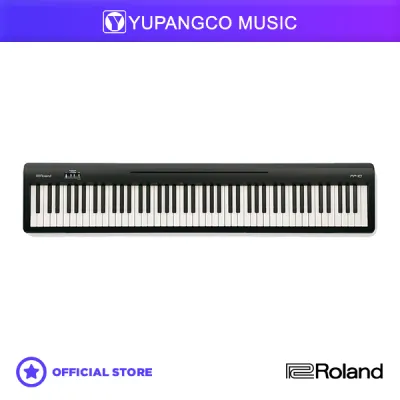
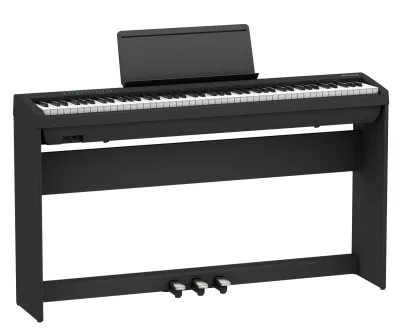
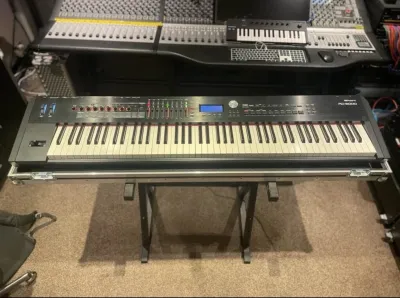
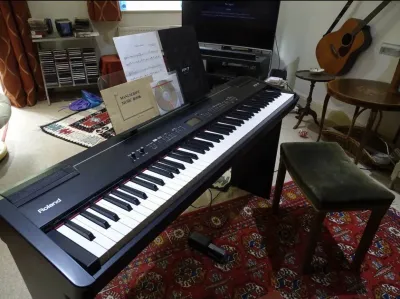
Prices are valid at publication and may change. Please refer to the product page for the latest price.
The primary differentiator across these tiers is the keyboard action technology. Entry-level models typically feature lightweight, compact keybeds that prioritize portability, while intermediate and advanced series introduce progressive hammer action, escapement mechanisms, and hybrid wood-and-plastic keys that simulate the physical resistance of an acoustic grand piano.
Sound engine complexity also scales with each tier. Basic models utilize standard sampling technologies to reproduce piano tones, whereas higher-end series employ advanced physical modeling engines that calculate the complex acoustic interactions of strings, soundboards, and cabinets in real time.
Because local availability, shipping costs, and retail pricing in ₱ can vary significantly across different regions, it is essential to verify current specifications and stock levels with authorized local distributors before making a final decision.
Entry-Level Series: Starting Your Musical Journey
For beginners, students, and casual hobbyists, the entry-level series focuses on providing a reliable foundation without unnecessary complexity. These instruments are designed to be highly portable and space-efficient, making them ideal for smaller homes, apartments, or student dormitories where a full-sized acoustic piano is impractical.

The key action in this tier is typically a lightweight weighted action, such as Roland’s PHA-4 Standard keyboard. While lighter than a traditional acoustic action, it still provides enough resistance to help beginners build finger strength and learn basic dynamics. These models also feature essential onboard tools, including metronomes, basic recording functions, and Bluetooth connectivity for educational apps.
When evaluating an entry-level model, you should verify that it meets the minimum requirements for formal piano instruction. Ensure the instrument features a full 88-key layout, supports a sustain pedal with half-damper capabilities, and offers a headphone jack for silent practice during quiet hours.
To determine if an entry-level model is right for you, use this quick verification checklist:
- Does the keyboard have 88 fully weighted keys?
- Is the physical footprint compatible with your dedicated practice space?
- Does the package include or support a sturdy stand that prevents wobbling during practice?
- Are the built-in speakers sufficient for your room size, or will you primarily use headphones?
Intermediate Series: Developing Technique and Expression
As players progress beyond basic scales and simple melodies, their technical demands increase. The intermediate series bridges the gap between portable student models and premium home consoles, offering enhanced key responsiveness and more sophisticated sound engines that allow for greater expressive control.
In this tier, the keyboard action becomes more refined, often incorporating features like escapement—the subtle “click” felt when gently pressing an acoustic piano key—and textured key surfaces that mimic ivory and ebony. These physical details are crucial for developing advanced techniques, such as rapid note repetitions, delicate pianissimo passages, and precise trills.
Intermediate models also offer a transition in physical design, moving from simple slab-style portable keyboards to elegant, furniture-style cabinets. These cabinets not only enhance the aesthetic appeal of your home but also house larger, multi-speaker sound systems that project sound more naturally, simulating the acoustic projection of a traditional upright piano.
You may have outgrown your entry-level instrument if you notice the following signs:
- The keys feel too light or springy, preventing you from executing subtle dynamic changes.
- You find the maximum polyphony limit cutting off sustained notes during complex classical or jazz pieces.
- You require a more stable pedal lyre system that does not slide across the floor during intense practice sessions.
Advanced Series: Achieving Authentic Acoustic Feel
For advanced students, professional performers, and dedicated hobbyists, the premium series represents the pinnacle of digital piano technology. These instruments are designed to replicate the exact tactile feedback, acoustic resonance, and physical presence of a high-quality grand piano.
The defining feature of Roland’s advanced tier is the integration of hybrid keyboard actions, such as the PHA-50 or Hybrid Grand keyboards. These actions combine real wooden side panels for authentic weight and rigidity with durable plastic inner cores that resist warping in humid tropical climates. Coupled with high-resolution sensor systems, these keys capture the finest nuances of your touch.
Sound generation in this tier relies heavily on advanced acoustic modeling rather than static audio samples. This technology recreates the entire physical process of sound creation, allowing you to customize parameters such as lid height, string resonance, damper noise, and hammer response to suit your personal preferences or the acoustic characteristics of your room.
Investing in a premium series is generally justified under specific conditions:
- You are preparing for advanced classical examinations or professional performances that require hours of daily practice on a grand-style action.
- You require a comprehensive, multi-channel speaker array that fills a large living space with rich, multi-directional sound.
- You want a permanent, heirloom-quality furniture piece with premium cabinet finishes that complement your home interior.
How to Choose the Right Roland Series for Your Needs
Selecting the ideal digital piano requires balancing your musical aspirations with practical constraints. By evaluating your practice frequency, technical requirements, and budget in ₱, you can make an informed decision that supports your long-term growth.
Consider the following decision framework to guide your purchase:
- Choose an entry-level series if you are a beginner on a budget, have limited living space, or need a highly portable instrument for occasional travel.
- Choose an intermediate series if you are a progressing student committed to daily practice, require a stable cabinet with integrated pedals, and want to develop advanced dynamic control.
- Choose an advanced series if you are an experienced pianist, require the absolute closest approximation of a grand piano action, and have the space and budget for a premium, permanent home console.
Before finalizing your purchase, always perform a thorough pre-purchase verification. Visit a local music showroom to test the key action in person, as tactile preference is highly subjective. Check the manufacturer’s specifications for polyphony limits, verify the compatibility of the instrument’s digital interfaces with your external devices, and confirm the specific warranty terms and service options provided by authorized local retailers in the Philippines.
If you are still uncertain, consider consulting a qualified music teacher or a local piano technician. They can offer personalized advice based on your specific learning goals, hand size, and the technical demands of the repertoire you plan to study.
Frequently Asked Questions (FAQ)
Do I need a premium Roland series if I only play classical music as a hobby?
While a premium series is not strictly mandatory for hobbyists, classical music frequently demands a high level of dynamic nuance and rapid key repetition that entry-level keyboards cannot fully support. If your repertoire includes advanced pieces by composers like Chopin, Liszt, or Beethoven, the refined key action and escapement of an intermediate or advanced series will significantly enhance your playing experience. However, if you play classical music casually or are still working through intermediate method books, a well-designed intermediate console provides an excellent balance of performance and value.
Can I upgrade my Roland digital piano's sound engine via software updates?
Generally, standard firmware updates provided by the manufacturer are designed to resolve system bugs, improve device compatibility, or add minor features rather than completely replace or upgrade the core sound engine. Some advanced models may support sound expansions or companion apps that offer additional instrument presets, but the fundamental physical modeling or sampling hardware remains fixed. Always check the official specifications of your chosen model before purchase to understand its specific digital expansion capabilities and compatibility limits.

Community discussion
Share your experience or ask a question. Comments are reviewed before publication.