
Choosing your first stringed instrument is an exciting milestone, but it comes with a critical technical decision: selecting between nylon and steel strings. These two options are not interchangeable, and choosing the wrong one can permanently damage your instrument. Nylon strings are soft, flexible, and produce a warm, mellow tone, making them the standard choice for classical guitars and traditional ukuleles. Steel strings, by contrast, are highly tensioned, rigid, and deliver a bright, projecting sound suited for acoustic folk and electric guitars. To make the right choice, you must understand how your instrument is built and what kind of music you want to play.
Core Differences in Material, Tension, and Tone
To understand why these strings behave so differently, we must look at their physical construction. Nylon strings are made from synthetic polymers. The treble strings are typically solid monofilament nylon, resembling clear fishing line, while the bass strings consist of a nylon filament core wrapped in thin metal wire like silver-plated copper. This construction keeps the strings highly flexible and soft to the touch. Steel strings are made entirely of metal. The core of every string is high-tensile carbon steel. The thinnest strings are plain steel, while the thicker bass strings are wound with an alloy wire, such as bronze. This all-metal construction makes the strings incredibly stiff, requiring significant physical force to stretch them to pitch.
This difference in material directly dictates the physical tension exerted on the instrument. A typical set of nylon strings exerts around 75 to 90 pounds of total tension on the guitar’s bridge and neck. In contrast, a standard set of steel strings exerts between 150 to 180 pounds of tension—nearly double that of nylon. An instrument must be specifically engineered to withstand these massive forces.
Products mentioned in this guide

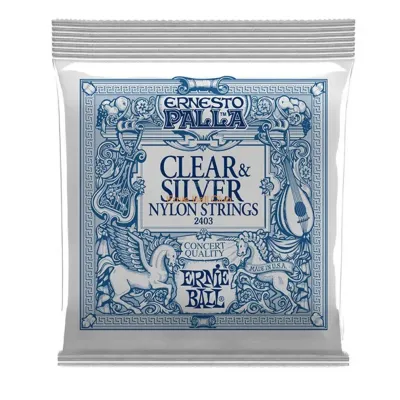
Prices are valid at publication and may change. Please refer to the product page for the latest price.
Acoustically, these materials produce distinct sound profiles. Nylon strings vibrate with a slower, wider wave, resulting in a warm, round, and mellow tone with a shorter sustain. This soft resonance is perfect for intimate fingerstyle arrangements. Steel strings vibrate rapidly and tightly, producing a bright, crisp, and highly projecting sound with long sustain, ideal for loud strumming and group performances.
In tropical environments with high humidity and ambient warmth, these materials react differently. Steel strings are highly susceptible to moisture and sweat, which cause rapid oxidation and rust if not wiped down regularly. Nylon strings do not rust, but they are highly sensitive to temperature fluctuations, which can cause the synthetic material to stretch and slip out of tune more frequently during the initial break-in period.
Matching Strings to Your Guitar or Ukulele
The most important rule for any beginner is that your instrument dictates your string choice, not the other way around. You cannot simply choose nylon strings because they feel softer if your guitar was built for steel. Doing so will result in a weak, buzzy sound because the low tension cannot properly vibrate the heavy wood of a steel-string guitar. Conversely, putting steel strings on an instrument built for nylon will destroy it.

To identify what kind of guitar you have, look closely at the bridge, where the strings attach to the body. A classical guitar, designed for nylon strings, features a tie-block bridge where strings are physically tied around a wooden block in a series of loops. The headstock of a classical guitar is usually slotted, with two large vertical openings, and the strings wrap around thick plastic rollers.
A steel-string acoustic guitar uses a bridge-pin system. The strings have a small metal ball at the end, which is inserted into a hole in the bridge and secured with a plastic or wooden peg called a bridge pin. The headstock is typically solid, with thin metal tuning posts protruding straight up through the wood.
Ukuleles are almost universally designed for nylon or similar synthetic materials like fluorocarbon. Because ukuleles have lightweight bodies and delicate internal bracing, they rely on the low tension of synthetic strings to produce their signature sweet, breezy sound.
Installing steel strings on a classical guitar or a standard ukulele is a recipe for disaster. The immense tension of steel will immediately begin to pull the bridge off the soundboard, bow the neck forward, and potentially crack the delicate wooden top. Repairing this type of structural damage can cost thousands of ₱, often exceeding the value of a beginner instrument. Always match the string material to the structural design of your instrument.
Playability and Finger Comfort for Beginners
For a complete beginner, physical comfort is a major factor in how long you stick with the instrument. Pressing down on strings to fret notes naturally causes fingertip soreness until you develop protective calluses. Nylon strings are much thicker and softer, distributing the pressure across a wider area of your fingertip. This makes the initial learning phase significantly more comfortable and reduces the physical barrier to daily practice. Steel strings are thin, rigid, and require much more finger pressure to press down against the fretboard. For the first few weeks, playing a steel-string guitar can be genuinely painful, and beginners must practice in shorter sessions to allow their fingertips to heal and build calluses. While this discomfort is temporary, it requires patience and persistence to overcome.
The physical design of the instrument also affects how you play. Classical guitars have very wide necks with flat fretboards and wide string spacing. This generous spacing is excellent for beginners with larger hands or those learning precise fingerstyle techniques, as it prevents your fingers from accidentally muting adjacent strings. However, the wide neck can make stretching to reach certain chord shapes difficult for players with smaller hands. Steel-string acoustic guitars feature narrower necks with slightly curved fretboards. This compact design makes it much easier to wrap your hand around the neck to play open chords and barre chords, which is highly beneficial for playing popular music. The trade-off is that the strings are closer together, requiring more precise finger placement to avoid buzzing.
Your musical preference should also guide your choice. If you dream of playing classical masterpieces, traditional Spanish flamenco, or soft folk melodies, a nylon-string classical guitar is the correct tool. If your goal is to strum along to modern pop hits, rock anthems, country tunes, or blues, the bright, driving sound of a steel-string acoustic guitar is essential to achieving the correct tone.
How to Verify String Compatibility Before Buying
Before you head to an online marketplace or a local music store to purchase a replacement set of strings, you must verify exactly what your instrument requires. Never guess based on the look of the strings alone, as some modern nylon strings have ball ends or metallic-colored windings that can mimic steel.
Start by inspecting the physical characteristics of your instrument. Check the bridge for tie-blocks or bridge pins, and look at the tuning pegs to see if they are thick plastic or thin metal. Next, peer inside the soundhole of your guitar or ukulele. Many manufacturers place a paper label inside the body that lists the exact model number and instrument type, such as “Classical” or “Acoustic.”
When browsing for strings, read the packaging carefully. Nylon strings will be clearly labeled as “Classical Guitar Strings” or “Nylon Guitar Strings.” They are categorized by tension (such as light, normal, or hard tension) rather than precise decimal gauges. Steel strings will be labeled as “Acoustic Guitar Strings” (often specifying materials like bronze or phosphor bronze) and are categorized by numerical gauges, such as .010 to .047 (often called “extra light”) or .012 to .053 (“light”).
If you are still unsure about what strings your instrument can safely handle, do not risk guessing. Spending a small amount of time checking the manufacturer’s official website or consulting a qualified technician at a local music shop can save you from a costly mistake. A professional can quickly identify your instrument and recommend the exact string specifications to keep your guitar or ukulele sounding its best.
Frequently Asked Questions (FAQ)
Can I put steel strings on a classical guitar?
No, you must never put steel strings on a classical guitar. Classical guitars are built with lightweight internal wood bracing and do not contain a steel truss rod inside the neck to resist bending. The high tension of steel strings will warp the neck, lift the wooden bridge off the body, and permanently ruin the instrument’s structure.
Do ukuleles ever use steel strings?
The vast majority of acoustic ukuleles are designed exclusively for nylon, fluorocarbon, or similar low-tension synthetic strings. Using steel strings on a standard ukulele will tear the bridge off the body. The only exceptions are specific solid-body electric ukuleles or steel-string resonator ukuleles that are explicitly engineered by the manufacturer to handle metal strings.
How often should a beginner change their strings?
A beginner should change their strings when they show clear signs of wear rather than following a strict calendar. Look for visual cues like dark discoloration, rust spots on steel, or fraying and unraveling on nylon bass strings. If the strings feel rough to the touch, sound dull and lifeless, or constantly slip out of tune, it is time for a new set. Wiping down your strings with a clean, dry cloth after every practice session will help protect them from sweat and humidity, significantly extending their lifespan.

Community discussion
Share your experience or ask a question. Comments are reviewed before publication.