
Choosing a nylon guitar strings set requires looking closely at three main specifications: gauge, tension, and material composition. Unlike steel strings, which rely heavily on precise thickness measurements, nylon strings are primarily categorized by tension, which dictates how they feel under your fingers and how they vibrate against the fretboard. In tropical climates like the Philippines, where high humidity and warm temperatures can accelerate string wear and affect wood expansion, selecting the right set ensures both playability and instrument longevity. By understanding these core specifications, you can easily find a set that matches your current skill level and your guitar’s structural needs.
Understanding String Gauge and Its Impact on Playability
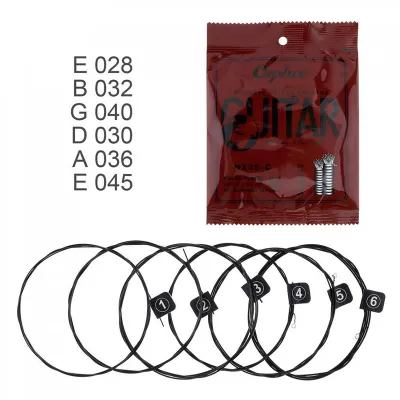
String gauge refers to the physical thickness of each string, typically measured in thousandths of an inch on the packaging. For example, a typical first string might be labeled as .028, while the thicker sixth string might read .043. While steel-string guitarists rely almost exclusively on gauge numbers to choose their strings, classical guitarists use these measurements to fine-tune the physical feel and response of their instrument. Reading the progression of numbers across the six strings helps you understand the overall thickness profile of the set.
The thickness of a string presents a direct trade-off between physical comfort and acoustic performance. Thinner strings are generally much easier to press down, making them highly suitable for beginners who are still developing finger strength and calluses. They also tend to produce a brighter, more focused tone. Conversely, thicker strings offer more physical resistance but reward the player with increased volume, projection, and a fuller, warmer sound.
Products mentioned in this guide
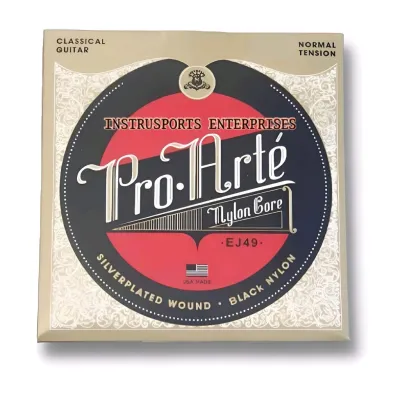
![[ammoon]Orphee NX35 Nylon Classical Guitar Strings 6pcs Full Set Replacement (.028-.045) Nylon Core Silver Jacketed Wire Hard Tension](https://img.lazcdn.com/g/p/91ecd8a68e55482f9a7a7b0a35b50050.jpg_400x400q80.jpg_.webp)





Prices are valid at publication and may change. Please refer to the product page for the latest price.
Before purchasing a new set, it is highly recommended to check your guitar manufacturer’s specifications. Some classical guitars are built with delicate bracing and thinner tops that perform best within a specific gauge range. Using strings that are too thick can put unnecessary physical pressure on the bridge and neck, while strings that are too thin might not drive the guitar top sufficiently to produce a rich sound.
String Tension: Normal vs. Hard Tension Explained
Unlike steel strings, nylon strings are primarily selected by their tension rating rather than their exact gauge. Manufacturers generally categorize their products into standard tension labels, such as light, normal (or medium), and hard (or high) tension. Because there is no universal industry standard for these ratings, a normal tension set from one brand might feel slightly different from a normal tension set from another, but the general categories remain highly consistent.

Higher tension strings require more physical effort and finger pressure to press down cleanly against the frets. However, this extra tension allows the strings to vibrate with greater energy, resulting in increased volume, better projection, and a wider dynamic range. Players with an aggressive right-hand attack often prefer hard tension because the strings do not buzz against the frets as easily when plucked forcefully.
For beginners, starting with a normal tension set is almost always the most practical choice. Normal tension provides a balanced physical feel that allows you to build finger strength and calluses comfortably without straining your hands. Additionally, normal tension strings place moderate physical stress on the guitar’s bridge and neck, making them a safe and reliable choice for virtually any classical guitar.
Material Composition: Treble and Bass String Differences
A standard nylon guitar strings set is actually made of two entirely different types of strings. The treble strings—the first, second, and third strings—are solid filaments, while the bass strings—the fourth, fifth, and sixth strings—consist of a core wrapped in fine metal wire. Understanding these material differences is essential because they directly dictate the tone, sustain, and physical durability of the set.
Treble strings are most commonly made of clear or refined plain nylon, which produces a warm, traditional, and mellow tone. Some modern sets feature rectified nylon, which undergoes a grinding process to ensure perfectly consistent thickness and improved intonation. You will also find composite materials like carbon-infused nylon (often called fluorocarbon), which are thinner, feel denser, and produce a much brighter, louder sound with excellent projection.
Bass strings utilize a multifilament nylon core wrapped in metal alloys, most commonly silver-plated copper or bronze. The silver-plated copper windings offer a warm, rich bass response, while bronze windings tend to sound brighter and more metallic. In humid environments, the moisture and sweat from your fingers can cause these metal windings to oxidize and tarnish quickly. Choosing high-quality wrapped basses and wiping them down after every practice session is crucial to maintaining their tone and preventing premature corrosion.
How to Choose the Right Nylon Guitar Strings Set
Selecting your first replacement set is straightforward when you follow a systematic checklist. First, verify your instrument type. Nylon strings are designed exclusively for classical, flamenco, or hybrid nylon-string guitars. They must never be installed on a standard steel-string acoustic guitar, as the physical construction, bridge design, and lack of a heavy-duty truss rod make steel-string guitars incompatible with the low tension and physical thickness of nylon.
Next, inspect the bridge of your guitar to determine the required string end type. Most traditional classical guitars feature a tie-block bridge, which requires traditional tie-end strings that you knot manually around the bridge. However, some modern nylon-string guitars use a bridge that accommodates ball-end strings, which slide through the bridge and are held in place by a pre-attached ball, similar to steel strings. Purchasing the correct end type saves significant time and frustration during installation.
If you are uncertain about your specific preferences, start with a baseline set consisting of normal tension, standard gauge, and clear nylon trebles. This combination offers a neutral, highly playable starting point. As you develop your technique and learn how your instrument responds, you can experiment with hard tension or carbon trebles to shape your sound.
Frequently Asked Questions (FAQ)
Can I put nylon strings on a steel-string acoustic guitar?
No, you should not install nylon strings on a steel-string acoustic guitar. Steel-string guitars are built to withstand much higher tension and have bridge pins, narrow nut slots, and tuning posts designed specifically for thin steel wires. Nylon strings are too thick to fit properly into the nut slots and bridge pin holes, and they will not produce enough tension to vibrate the heavy top wood of a steel-string guitar, resulting in a quiet, muddy sound.
How do I know when it is time to change my nylon guitar strings set?
You can identify the need for a new set through several clear physical and auditory signs. Look for visible discoloration or dark spots on the metal windings of the bass strings, as well as physical fraying or flattening where the strings contact the frets. If your guitar struggles to stay in tune or if the overall sound has become dull, muddy, and lacks sustain, it is time to replace the set.

Community discussion
Share your experience or ask a question. Comments are reviewed before publication.