
Choosing between a Kawai and a Yamaha digital piano for home practice in the Philippines depends on whether you prioritize a warm, acoustic-like key touch or a bright, versatile sound engine with extensive local support. Both manufacturers produce exceptional instruments, but they approach key action, sound sampling, and digital features differently. By evaluating your specific playing goals, budget, and home environment, you can determine which brand’s design philosophy aligns with your musical journey.
Key Action and Touch Response: The Core of Practice
The feel of the keys is the most critical factor for developing proper finger strength and classical piano technique. Kawai is widely recognized for its dedication to replicating acoustic piano actions, often incorporating real wooden keys and extended pivot lengths in its mid-range and premium models. This design mimics the seesaw movement of an acoustic grand piano, providing a highly realistic leverage point even when playing deep into the keys.
Yamaha, on the other hand, utilizes its proprietary graded hammer action mechanisms across various tiers, often featuring synthetic ivory and ebony key surfaces. These textured keytops help absorb moisture from your fingers during long practice sessions in warm tropical climates. Yamaha’s graded action ensures that the lower registers feel heavier than the higher registers, mirroring the natural physics of a traditional stringed instrument.
Products mentioned in this guide
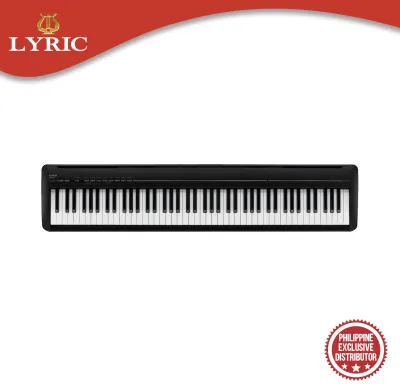
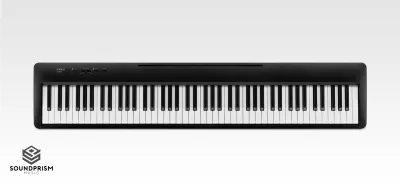
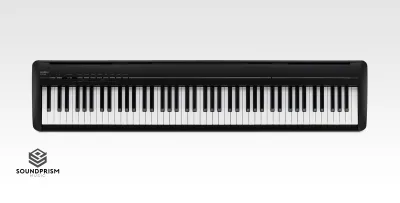
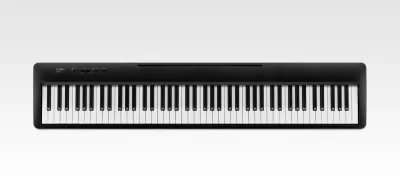
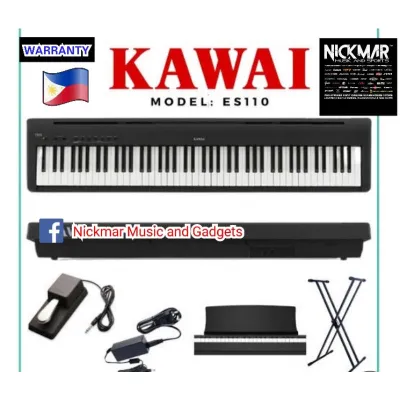
Prices are valid at publication and may change. Please refer to the product page for the latest price.
When testing these instruments in a local showroom, you should perform specific physical checks to evaluate the action. Press a key slowly to feel for the escapement simulation—a subtle click or resistance point found in acoustic grand pianos. Additionally, play rapid repeated notes to verify how quickly the sensors reset and register consecutive strikes without dropping notes.
Most digital pianos from both brands offer adjustable touch sensitivity settings, which modify how the sound engine responds to your physical velocity. Beginners with developing finger strength can set the action to a lighter response to prevent fatigue, while advanced players can select a heavier setting to practice executing precise dynamic control from pianissimo to fortissimo.
Sound Engine and Acoustic Realism
The tonal signature of a digital piano significantly influences your practice enjoyment and musical expression. Kawai digital pianos generally feature a warmer, more mellow sound profile, sampled from their flagship Shigeru Kawai concert grand pianos. This rounder tone is highly favored by classical pianists who prefer a rich, intimate sound that does not fatigue the ears during extended practice sessions.

In contrast, Yamaha digital pianos typically deliver a brighter, clearer, and more cutting tone, sampled from their renowned CFX concert grand pianos. This bright acoustic profile excels in modern music genres, pop, and jazz, allowing the piano to stand out clearly in a mix or a lively room. The choice between these two sound signatures is highly subjective and depends on your personal repertoire preferences.
To experience these tones fully at home, you must examine the instrument’s built-in speaker configuration. Check the manufacturer specifications for speaker placement, wattage, and cabinet design, as these factors dictate how well the sound fills a room without relying on external amplification. Multi-way speaker systems that direct sound both upward and downward generally provide a more immersive, three-dimensional acoustic field.
Because home practice often requires quiet study, testing both brands with high-quality headphones is essential. Wearing headphones allows you to closely evaluate advanced acoustic modeling features, such as sympathetic string resonance and damper resonance. It also lets you verify the polyphony limit, ensuring the instrument can handle complex sustain-pedal passages without prematurely cutting off decaying notes.
Home Setup, Connectivity, and Daily Use
Integrating a digital piano into a Philippine home requires careful consideration of physical space and environmental conditions. Standard console-style digital pianos feature elegant wooden cabinets that serve as attractive furniture but require a dedicated, permanent footprint. If you live in a compact apartment or a shared living space, a portable slab-style digital piano with a matching lightweight stand may offer better flexibility.
Modern connectivity options are vital for keeping daily practice engaging and productive. Look for instruments equipped with USB audio and MIDI interfaces, which allow you to connect directly to computers or tablets for recording and music production. Bluetooth audio and MIDI capabilities are also highly convenient, enabling you to stream backing tracks through the piano’s speakers or connect to interactive learning applications.
Before finalizing your purchase from an online marketplace or a physical music store, verify the exact contents of the product bundle. Ensure the package includes a compatible power adapter suitable for local voltage standards, a music rest, and a sustain pedal or a dedicated triple-pedal unit. Additionally, confirm the local warranty terms and the availability of authorized service centers to protect your investment against potential electrical or mechanical issues.
Evaluating Value and Budget Tiers
Navigating the market requires understanding how features scale across different price points in Philippine Pesos. Entry-level digital pianos, typically ranging from ₱25,000 to ₱45,000, offer reliable weighted key actions and essential grand piano sounds, making them ideal for beginners. Mid-range models, spanning ₱45,000 to ₱90,000, introduce upgraded key actions, richer sound engines, and sturdier cabinet designs.
Premium instruments exceeding ₱90,000 deliver top-tier wooden key actions, advanced multi-channel speaker systems, and sophisticated acoustic modeling. When budgeting, compare the cost of standalone keyboard units against bundled packages that include a matching wooden stand, a comfortable bench, and a triple-pedal board. Purchasing a complete bundle often provides better long-term value and structural stability than buying individual third-party accessories later.
Given the geographical challenges of shipping heavy, delicate instruments across the archipelago, purchasing from authorized local dealers is highly recommended. Authorized distributors ensure that the instrument is transported safely using reliable delivery options. Furthermore, buying locally guarantees access to genuine spare parts, professional technicians, and reliable after-sales support should your digital piano require maintenance.
Final Verdict: Which Brand Fits Your Practice Needs?
Your final decision should align with your personal touch preferences, tonal tastes, and practical ownership requirements. Neither brand is universally superior, but each excels in distinct areas that cater to different types of pianists.
Choose a Kawai digital piano if you prioritize an authentic, heavier key action that closely mimics the physical feel of a traditional acoustic grand piano. This brand is particularly suited for classical students and advanced players who prefer a warm, mellow, and expressive tone for traditional repertoire.
Choose a Yamaha digital piano if you prefer a bright, clear, and modern acoustic sound that cuts through contemporary mixes. Yamaha is also an excellent choice if you value a wide variety of built-in instrument voices, interactive rhythm accompaniments, and the peace of mind that comes with widespread local service center availability.
Before making your purchase, verify the specific needs of the primary player. If the instrument is intended for a young beginner, test the key actions in person, as some younger children may find heavier key actions fatiguing. Additionally, check the technical specifications if you require advanced music production, sequencing, or specific wireless app integration for your daily creative workflow.
Frequently Asked Questions (FAQ)
Do Kawai and Yamaha digital pianos require regular tuning?
No, digital pianos from both Kawai and Yamaha do not require regular tuning because they generate sound electronically using digital samples or physical modeling rather than physical strings under tension. However, they still require basic care to ensure longevity. Keep the instrument dust-free, avoid placing it in direct sunlight, and protect it from high humidity or sudden temperature changes, which can damage the sensitive key sensors and internal electronic components.
Can I use a Kawai keyboard with Yamaha learning apps, or vice versa?
Yes, you can use a Kawai keyboard with many Yamaha learning apps, and vice versa, provided the devices are connected using standard MIDI or USB connections. Standard MIDI protocols allow basic note transmission and interactive feedback across different brands. However, proprietary features, advanced settings control, and brand-specific wireless integrations may be limited or entirely unavailable when using a competitor’s hardware. Always check the app’s compatibility specifications before purchasing.

Community discussion
Share your experience or ask a question. Comments are reviewed before publication.