
Deciding on your first set of guitar or ukulele strings is a critical step in your musical journey. Jcraft strings are a common sight in local music shops and online marketplaces across the Philippines, appealing to beginners due to their accessibility and low price point. However, a low price is only a true bargain if the strings support your learning process. If they cause excessive finger pain, snap constantly, or rust within a week, they can hinder your progress and dampen your enthusiasm. This guide helps you evaluate Jcraft strings based on playability, durability, and value, ensuring you make a practical choice for your instrument.
To make an informed decision, you must look beyond the brand name and understand the physical characteristics of the strings. Beginners have unique needs that differ significantly from those of experienced players. By learning how to inspect these strings and match them to your specific instrument, you can avoid common pitfalls and set yourself up for a comfortable, rewarding practice experience.
Core Requirements for Beginner Guitar and Ukulele Strings
When you are first learning to play the guitar or ukulele, your fingers undergo a physical adaptation process. Building calluses takes time, and during the first few weeks, finger soreness is the most common reason beginners give up. Therefore, the primary requirement for any beginner string set is manageable tension. Strings with lower tension require less pressure to fret, allowing you to practice for longer periods without experiencing debilitating joint or muscle fatigue.
Products mentioned in this guide
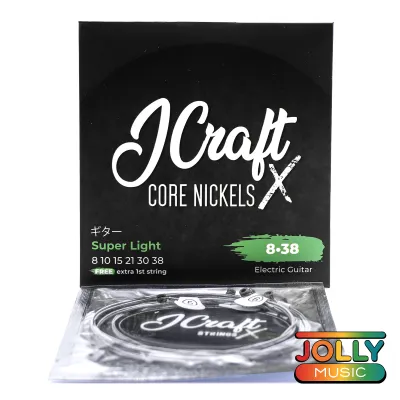

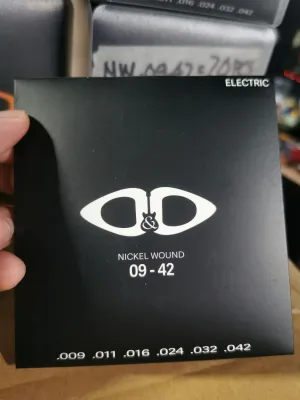
Prices are valid at publication and may change. Please refer to the product page for the latest price.
Durability is another essential factor, especially in tropical environments. The high relative humidity in the Philippines, combined with the natural sweat and oils from your hands, creates a highly corrosive environment for metal strings. A good beginner set must resist rapid oxidation. When strings rust, they develop a rough, abrasive texture that increases friction against your fingertips, making sliding and fretting highly uncomfortable. Rust also degrades the structural integrity of the string, leading to premature breakage.
Finally, the strings must produce a clear, balanced tone. While you do not need the complex, rich overtones demanded by professional recording artists, you do need enough clarity to hear your mistakes. If a string set sounds muddy or dead right out of the package, it becomes difficult to distinguish whether a chord is fretted correctly or if a string is buzzing against a fret. Clear, bright tones provide positive auditory feedback, which is crucial for maintaining your motivation during repetitive practice sessions.
How to Inspect Jcraft Strings Before Purchase
Before purchasing a set of Jcraft strings, you should perform a thorough visual and physical inspection of the packaging. Because budget-friendly strings are produced in large quantities, verifying the packaging integrity is your first line of defense against receiving a defective or pre-corroded product. Look for sets that are sealed in airtight plastic or foil packaging. If the packaging is torn, punctured, or made of simple, unsealed paper, moisture from the air may have already penetrated the pack, starting the oxidation process before you even open it.

Next, read the product label carefully to verify the technical specifications. Do not rely solely on the cover design or the color of the packaging, as these can vary. Look for the specific material composition and the gauge measurements printed on the back or side of the pack. Ensuring these details match your instrument’s requirements prevents compatibility issues that could make your instrument unplayable or, worse, cause physical damage to the wood.
Matching Material and Gauge to Your Instrument
Different instruments require entirely different string materials to function correctly. If you are playing a classical guitar or a ukulele, you must select nylon or fluorocarbon strings. These materials are highly flexible and exert relatively low tension on the instrument’s bridge and neck. Acoustic and electric guitars, on the other hand, require steel strings. Acoustic steel strings are typically made of bronze alloys, while electric guitar strings are usually nickel-plated steel to interact properly with magnetic pickups.
Once you have identified the correct material, you must select the appropriate gauge, which refers to the thickness of the strings. String gauges are measured in thousandths of an inch, with the number of the thinnest string representing the set. For an acoustic guitar, beginners should look for “extra light” sets, typically starting with a .010 gauge. For electric guitars, a .009 gauge is ideal. Choosing a gauge that is too heavy, such as a .012 or .013 on an acoustic guitar, will make fretting incredibly difficult for a beginner and can cause unnecessary hand strain.
Evaluating Durability and Climate Resistance
In a humid climate, the lifespan of uncoated steel strings can be remarkably short. When inspecting Jcraft strings, check the packaging for any mention of protective treatments or anti-rust coatings. Some budget brands offer specialized lines that feature a micro-thin coating designed to shield the metal from sweat and moisture. If you cannot find a coated option, you will need to rely on diligent maintenance to keep the strings in good condition.
Take note of the physical construction of the strings. Plain steel strings are highly susceptible to uniform rust, while wound strings can trap dirt and sweat between the metal wraps. Inspect the winding on the lower strings to ensure it appears tight and consistent. Loose or uneven winding not only hurts the tone but also creates tiny pockets where moisture can settle, accelerating corrosion and causing the string to lose its intonation rapidly.
Assessing Value for Money in Entry-Level Strings
To determine if Jcraft strings offer genuine value for money, you must calculate the total cost of ownership rather than just looking at the upfront price. In the Philippines, a standard set of budget strings typically costs between ₱150 and ₱300, whereas premium coated strings from international brands can range from ₱600 to over ₱1,200. If a budget set lasts you four weeks before rusting or losing its tone, and a premium set lasts sixteen weeks, the long-term cost is virtually identical.
However, as a beginner, you are highly likely to make mistakes during the tuning process, which often results in snapped strings. Breaking a premium, expensive string due to over-tightening is a frustrating and costly mistake. Using budget-friendly strings like Jcraft during your first few months of learning provides a low-risk environment to practice tuning, restringing, and basic maintenance without worrying about the financial loss of a broken string.
Local availability is another factor that influences value. If you have to order strings online and pay high shipping fees for a single set, the cost-effectiveness disappears. Jcraft strings are widely distributed in local music stores across the country, making them easy to purchase in person. If you prefer buying from an online marketplace, consider purchasing strings in multi-packs or bundling them with other essential accessories like picks, a capo, or a tuner to minimize shipping costs per item.
Finally, consider the trade-off in quality control. Ultra-budget strings can occasionally suffer from inconsistencies, such as a single string in the pack sounding duller than the rest or having a minor manufacturing defect at the ball end. If you find that the quality control of a budget brand is inconsistent, it may be worth spending slightly more on a reputable entry-level set from a more established manufacturer to ensure a consistent playing experience.
Signs It Is Time to Change or Upgrade Your Strings
Many beginners make the mistake of keeping the same set of strings on their instrument for six months or more, unaware of how much it is hindering their progress. You should regularly check your strings for physical signs of wear. Run your finger along the underside of the strings near the first few frets; if you feel rough spots, dents, or rust, the strings are worn out. Visually inspect the metal for dark discoloration or black spots, which indicate advanced oxidation.
Your ears will also tell you when it is time for a change. Over time, strings lose their elasticity, causing them to sound dull, muddy, and lifeless. If your instrument suddenly lacks sustain or if you find it increasingly difficult to get the strings in tune, the physical structure of the metal has likely degraded. Poor intonation—where a string is in tune when played open but sounds noticeably sharp or flat when fretted at the 12th fret—is a definitive sign that the strings need immediate replacement.
As your playing technique improves and your ears become more sensitive to tone, you will naturally outgrow basic budget strings. When you can comfortably play chords without buzzing and begin to notice the subtle differences in how your instrument responds to your touch, it is time to upgrade. Moving to premium, specialized strings will unlock your instrument’s full tonal potential, offering better tuning stability, a more refined feel, and a richer sound that matches your growing skills.
Frequently Asked Questions (FAQ)
Can I use steel strings on a classical guitar or ukulele?
No, you must never install steel strings on an instrument designed exclusively for nylon or fluorocarbon strings. Classical guitars and ukuleles are constructed from lightweight woods and feature delicate internal bracing designed to withstand relatively low tension, typically around 70 to 90 pounds of total pull. Steel strings exert more than double that tension, often exceeding 150 to 180 pounds. Installing steel strings on these instruments will warp the neck, lift the bridge off the soundboard, or crack the top wood, causing permanent and often irreparable structural damage.
How often should a beginner change their strings?
As a general guideline, a beginner practicing 30 to 60 minutes a day should change their strings every 1 to 3 months. However, this timeline depends heavily on your personal sweat acidity and the humidity of your environment. To maximize the lifespan of your strings, always wash and dry your hands thoroughly before playing to remove natural oils and dirt. After every practice session, use a clean, dry microfiber cloth to wipe down each string individually, removing sweat and moisture before storing your instrument in its case or gig bag.

Community discussion
Share your experience or ask a question. Comments are reviewed before publication.