
Starting your financial journey as a young adult in the Philippines can feel overwhelming, especially when faced with the daily realities of rising living costs, transport expenses, and the constant temptation of online shopping sales. Deciding which personal finance book to read first is a crucial step in building your financial literacy. George S. Clason’s classic, The Richest Man in Babylon, is widely regarded as a foundational primer on wealth accumulation, but is it truly the right starting point for a young Filipino today?
The short answer is yes, but with important caveats. The book is an exceptional tool for reshaping your mindset and establishing basic saving habits, such as the fundamental rule of keeping at least ten percent of your earnings. However, because it relies on ancient parables, it completely lacks modern, localized investment advice. To get the most value from this classic, you must understand how to bridge the gap between ancient Babylonian lessons and the modern financial landscape of the Philippines.
Assess Your Financial Starting Point Against the Book's Core Lessons
Before purchasing a copy, it is helpful to evaluate your current financial habits and determine what you actually need from a finance book. If you find yourself struggling with basic money management—such as spending your entire salary within days of payday or failing to maintain any savings—your primary challenges are behavioral. In this scenario, the book’s core lessons are highly relevant because they focus almost entirely on personal discipline, delayed gratification, and the psychology of accumulation.
Products mentioned in this guide

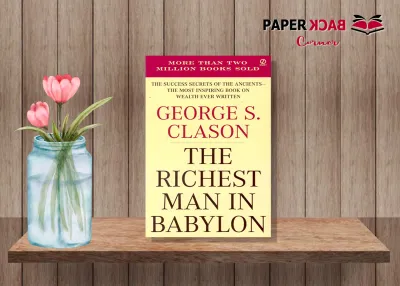
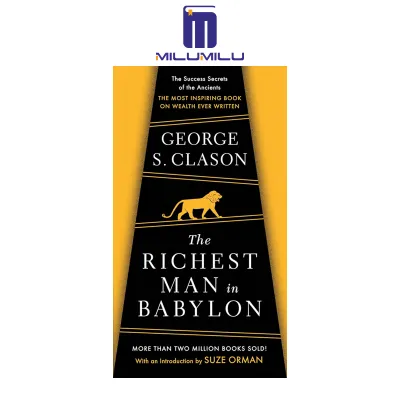
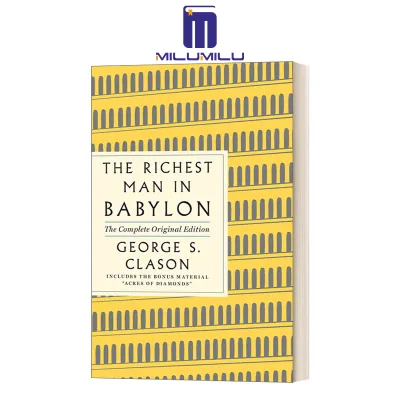
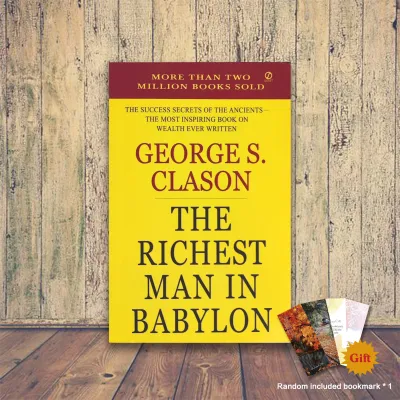
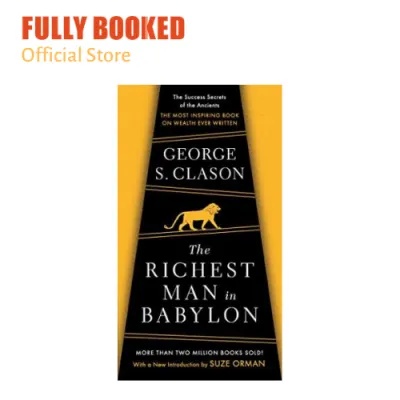

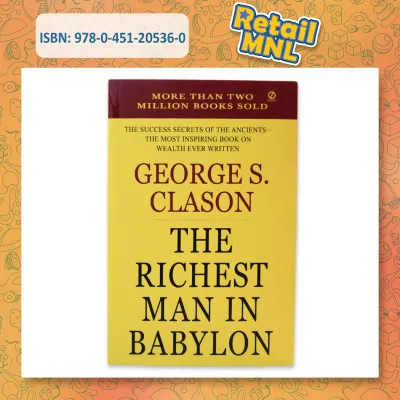
Prices are valid at publication and may change. Please refer to the product page for the latest price.
The parables outline simple, foundational truths: live below your means, control your expenditures, and protect your savings from high-risk ventures. For a young professional earning their first salary, mastering these behavioral habits is far more critical than learning how to analyze stock market charts or evaluate complex corporate bonds. The book acts as a mental reset, helping you view money as a tool for long-term security rather than immediate consumption.
Conversely, if you have already established a consistent savings habit, built a basic emergency fund, and are looking for technical instructions on how to grow your wealth, this book may feel too elementary. It does not cover modern investment vehicles, portfolio diversification, or tax strategies. If your goal is to learn the mechanics of active trading or corporate finance, you will likely find the broad, behavioral advice of this classic insufficient for your immediate needs.
Evaluate Your Reading Preferences and Learning Style
Your personal reading habits and learning preferences should also guide your decision. The Richest Man in Babylon is written as a series of allegorical stories set in ancient Babylon, featuring characters like Arkad, the richest man, and various merchants, camel traders, and artisans. If you enjoy narrative-driven learning, storytelling, and historical framing, you will likely find this format engaging and memorable.

However, if you prefer direct, data-driven guides with modern case studies, spreadsheets, and step-by-step contemporary frameworks, the book’s style might feel frustrating. The dialogue is written in a slightly archaic, biblical-sounding English dialect. While this adds to the historical atmosphere of the parables, it requires a bit of patience to read and might feel tedious if you prefer crisp, modern business writing.
On the positive side, the book is structured into short, self-contained chapters. This makes it highly suitable for busy young adults who must fit their reading into short breaks or daily commutes. You can easily finish a complete parable during a single transit ride or right before bed without losing the thread of the narrative. If your attention span for dense financial texts is limited, these brief, allegorical chapters offer an accessible entry point into financial literature.
Bridge the Gap Between Ancient Parables and Modern Philippine Realities
To make the book’s timeless advice practical, you must actively translate its ancient concepts into modern Philippine equivalents. The book speaks of investing your gold with shield-makers or brickmakers, which obviously does not mirror today’s financial options. A young reader in the Philippines must look beyond physical gold and ancient trades to find secure, modern wealth-building tools.
For example, the core principle of making your “gold” multiply is best applied today through accessible local financial instruments. Instead of lending money to individuals, you can utilize high-yield digital banking accounts, cooperative investment programs, or government-backed savings schemes like the Pag-IBIG MP2 fund. These modern options allow you to earn compound interest safely, aligning perfectly with the book’s advice to seek secure investments.
Inflation is another critical factor that the book’s simple parables do not fully address. In the modern economy, simply keeping physical cash under a mattress or in a basic, low-interest bank account will cause your purchasing power to erode over time. You must adjust the book’s concept of “safe keeping” to include assets that can outpace local inflation rates, such as local mutual funds, unit investment trust funds (UITFs), or low-cost index funds.
Finally, the book does not cover modern regulatory frameworks, tax compliance, or digital transaction security. To turn these ancient parables into real-world success, you must supplement your reading with localized resources. You will need to learn how to open a local brokerage account, navigate the Bureau of Internal Revenue (BIR) guidelines if you are a freelancer or self-employed professional, and protect your digital accounts from online fraud.
Your Reading Plan and Alternative Paths
If you decide to proceed with The Richest Man in Babylon, the most effective strategy is to treat it as a mindset primer. Read it first to build your psychological foundation and establish a commitment to saving. Once you have absorbed these behavioral principles, immediately pair them with a contemporary personal finance book written specifically by a Filipino author for the local market to learn the actual execution steps.
There are clear signs that you might need to choose a different first book altogether. If you are currently facing severe financial distress, such as aggressive collection calls or overwhelming high-interest debt, you need immediate, practical debt-restructuring strategies rather than ancient parables about wealth accumulation. In such cases, a practical guide focused on debt recovery and budgeting under pressure would be a more appropriate starting point.
Before purchasing a copy from local bookstores or online marketplaces, take a moment to verify the edition and format. Look for complete, unabridged versions to ensure you receive the full text of the original parables without missing chapters. Consider whether a physical paperback, an e-book for your mobile device, or an audiobook fits your daily routine best. If you choose a translated version, verify the publisher’s reputation to ensure the translation preserves the clear, motivational tone of the original English text.
Frequently Asked Questions (FAQ)
Is there a specific edition or translation recommended for readers in the Philippines?
When shopping for this book in local retail stores or online platforms, you will find various editions. It is highly recommended to choose an unabridged English edition, as the original language is relatively straightforward despite its archaic styling. If you prefer a translated version in Tagalog or another local language, check the publisher’s details and reader reviews to ensure the translation is accurate, natural, and complete. Always verify that the format—whether physical, digital, or audio—is fully compatible with your reading devices before finalizing your purchase.
Should I read this book if I am currently managing heavy debt?
The book does offer valuable, timeless perspectives on debt management, particularly through parables that advocate for living on a portion of your income while systematically allocating another portion to pay off creditors. However, it does not provide practical guidance on modern legal protections, debt consolidation loans, or negotiating with local banks. If you are dealing with severe financial distress or complex legal issues related to unpaid loans, it is best to seek professional financial counseling or consult localized debt-relief resources alongside reading this book.

Community discussion
Share your experience or ask a question. Comments are reviewed before publication.