
George S. Clason’s classic The Richest Man in Babylon is an excellent first personal finance book for young Filipinos, but primarily as a mindset primer rather than a step-by-step technical guide. For young professionals in the Philippines navigating their first salaries, the book’s core strength lies in its ability to reshape how one views money, saving, and debt. However, because it relies on ancient parables set in historical Babylon, it completely lacks the modern, localized context required to navigate today’s digital financial ecosystem. To build a robust financial foundation, young readers must use this book to build their psychological discipline while actively seeking out modern, local resources to handle contemporary Philippine banking and investment realities.
Core Wealth Principles and Their Modern Relevance
The core teachings of the book revolve around simple, timeless rules of thumb, most notably the concept of paying yourself first. Clason advises saving at least ten percent of everything you earn before paying for any expenses. For a young professional in the Philippines receiving their first paycheck, this basic habit is the single most critical step toward financial independence. It shifts the financial sequence from saving what is left after spending to spending what is left after saving.
Another central pillar of the book is living well below your means. In an era dominated by digital convenience, instant gratification, and constant social media pressure to showcase an aspirational lifestyle, this advice is more relevant than ever. Young employees frequently face the temptation of lifestyle inflation, where salary increases are immediately consumed by upgraded gadgets, frequent dining out, and online shopping sprees. The parables remind readers that wealth is not what you spend, but what you accumulate and preserve.
Products mentioned in this guide

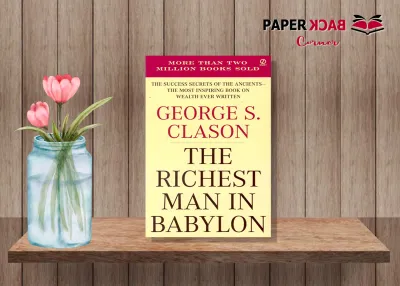

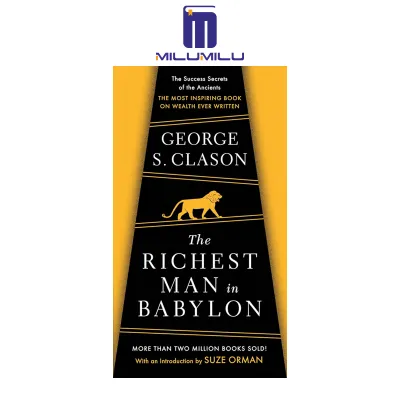
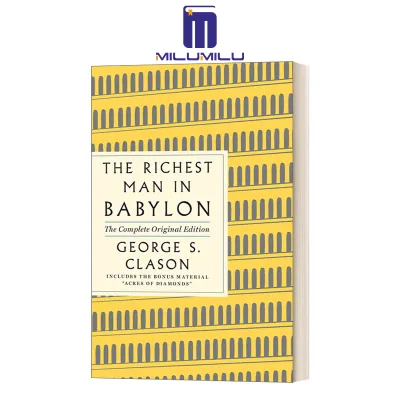

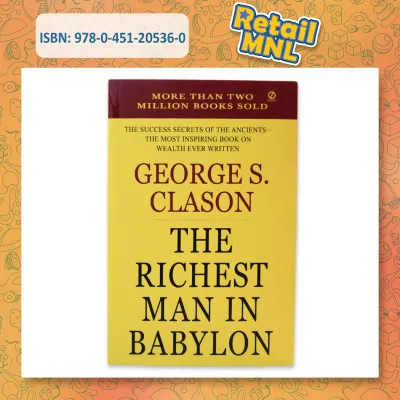
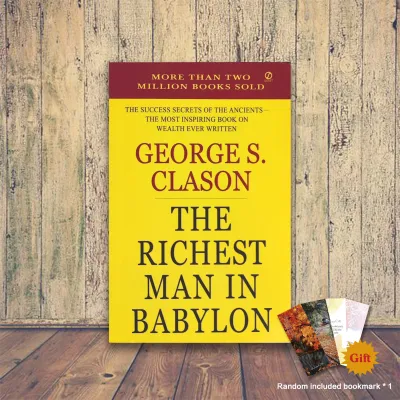
Prices are valid at publication and may change. Please refer to the product page for the latest price.
Finally, the book emphasizes making your accumulated savings work for you through wise investments. While the ancient Babylonians invested in bronze shields or trade expeditions, modern readers must translate these concepts into contemporary assets. The book focuses heavily on financial psychology and basic wealth accumulation rather than technical execution. It does not teach you how to analyze a stock, evaluate a mutual fund, or understand compound interest in a modern bank account, but it successfully builds the mental discipline required to start those endeavors.
Diagnosing Your Current Financial Starting Point
To determine if this book is the right starting point for you, it is essential to diagnose your current financial literacy level and immediate pain points. If you are an absolute beginner who struggles with basic budgeting, you will find immense value in Clason’s simple narratives. If you find yourself living paycheck to paycheck, wondering where your hard-earned money went at the end of every month, the book’s straightforward rules will help you establish a consistent savings habit.

For those carrying high-interest consumer debt, such as outstanding credit card balances or quick-access digital personal loans, the book offers a clear, structured approach to debt management. It advocates for allocating a specific portion of your income to systematically pay down debts while still prioritizing savings. This dual approach prevents the common trap of putting all spare cash toward debt, only to borrow again when an unexpected expense arises.
Conversely, if you are an intermediate reader who has already mastered the basics of budgeting and saving, this book may feel overly simplistic. If you already automate your monthly savings, maintain an emergency fund, and are actively looking for advanced investment strategies or portfolio diversification, the ancient parables will not provide the technical depth you need. Your bottleneck is no longer motivation or basic habit formation; instead, you require specific, actionable guidance on modern investment vehicles.
Navigating Gaps in the Modern Philippine Financial Context
While the psychological principles in the book remain timeless, the practical gaps between ancient Babylon and the modern Philippine financial landscape are vast. The book does not address modern digital banking, high-yield savings accounts, or digital wallets, which are now the primary tools for young Filipinos to save and manage their money. Relying solely on traditional brick-and-mortar banks with low interest rates can cause your savings to lose purchasing power over time due to inflation.
Furthermore, young professionals in the Philippines must navigate specific local obligations and benefits that the book completely omits. Understanding mandatory government contributions—such as the Social Security System (SSS), PhilHealth, and the Pag-IBIG Fund—is crucial for accurate budgeting and long-term planning. Additionally, local tax structures, including income tax brackets and tax-exempt investment vehicles like the Personal Equity and Retirement Account (PERA), require separate, localized research.
It is also vital to verify current economic conditions, inflation rates, and modern debt structures before applying the book’s rules literally. For instance, while the book suggests investing in real estate as a primary wealth-building tool, the high interest rates of local housing loans and the soaring property prices in major metropolitan areas like Metro Manila require a much more cautious, analytical approach than the parables suggest. Readers must independently verify the terms, fees, and risks of any local financial product before committing their capital.
Your Action Plan: Read, Supplement, or Choose an Alternative
Depending on your financial self-diagnosis, you should choose one of three distinct pathways to optimize your financial learning journey. If you need a fundamental mindset shift and struggle with basic habit formation, Path 1 is to read The Richest Man in Babylon cover to cover. Focus entirely on absorbing the core principles of discipline, consistency, and living below your means without worrying about the lack of modern details.
If you already understand the importance of saving but do not know how to implement it in the local context, choose Path 2: read the book to establish your psychological foundation, then immediately supplement it with up-to-date local resources. Pair the timeless parables with reputable Filipino personal finance blogs, podcasts, or books that explain how to open high-yield savings accounts, navigate local digital investment platforms, and utilize government-backed savings programs like Pag-IBIG MP2.
For those who have already built a solid savings habit and understand basic financial concepts, Path 3 is to skip this book entirely. Your time is better spent reading advanced, context-specific personal finance literature or technical guides that focus on the Philippine market. Look for resources that detail local stock market investing, real estate crowdfunding, tax optimization, or building a diversified investment portfolio tailored to the local economic climate.
Frequently Asked Questions (FAQ)
Is The Richest Man in Babylon available in local bookstores or digital formats?
Yes, the book is widely available across the Philippines in various formats. When purchasing, it is important to verify the edition, language, and authorized source to ensure you receive a complete and accurate translation. You can find authorized paperback copies in major physical bookstores and official online marketplaces. If you prefer digital formats, verify that the e-book or audiobook version is compatible with your specific e-reader or mobile device, and check for any regional restrictions before completing your purchase.
How long does it take to read, and is it suitable for non-finance backgrounds?
The book is relatively short, typically running under 150 pages, and can easily be read over a single weekend. It is exceptionally well-suited for individuals with absolutely no background in finance, economics, or accounting. Because the financial lessons are delivered through engaging, easy-to-follow fictional stories rather than dense academic jargon or complex mathematical formulas, readers of all educational and professional backgrounds can easily grasp and apply the core concepts.

Community discussion
Share your experience or ask a question. Comments are reviewed before publication.