
Deciding on your very first personal finance book can feel overwhelming, especially when you are trying to navigate the early stages of your career in the Philippines. The Rich Dad Poor Dad book is often recommended as a foundational starting point for anyone wanting to build wealth. However, whether it is the right book for you depends heavily on your current financial literacy and what you hope to achieve immediately.
For young Filipinos, this book serves as an excellent tool for shifting your mindset, but it is not a complete, step-by-step manual. It challenges traditional beliefs about employment and savings, which is highly valuable if you are just starting to think about financial independence. Yet, because it was written for a Western audience, you must be prepared to translate its concepts to fit the local economic landscape.
What the Rich Dad Poor Dad Book Actually Teaches (and What It Doesn't)
At its core, the Rich Dad Poor Dad book focuses on redefining how you view money, assets, and liabilities. The author simplifies these concepts by stating that an asset is anything that puts money into your pocket, while a liability is anything that takes money out. This simple distinction helps readers realize that traditional milestones, like buying a personal car or even a home, might actually be liabilities if they constantly drain your monthly income.
Products mentioned in this guide
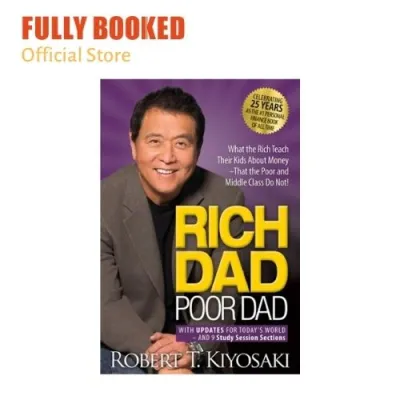
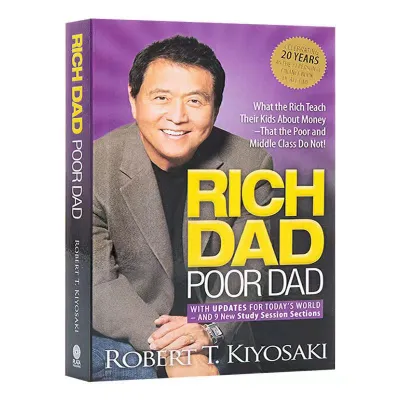

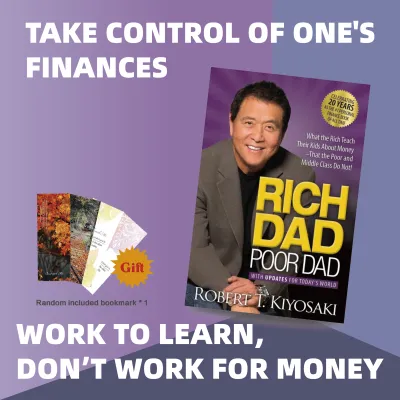

Prices are valid at publication and may change. Please refer to the product page for the latest price.
The book also emphasizes the importance of financial intelligence and making your money work for you through cash flow. Instead of working solely for a salary, the text encourages readers to acquire income-generating assets that eventually cover their living expenses. This concept of escaping the traditional employment cycle is highly motivating for young professionals.
However, it is equally important to understand what the book does not cover. It does not provide a localized, practical guide for managing money in the Philippines. You will not find instructions on how to file taxes with the Bureau of Internal Revenue, how to set up a local stock brokerage account, or how to integrate mandatory contributions like the Social Security System (SSS) into your financial planning. It is a book of philosophy, not a local step-by-step manual.
Signs This Book Is the Right Starting Point for You
This book is highly suitable if you feel stuck in the traditional cycle of working hard just to pay off monthly bills. If you find yourself living paycheck to paycheck in a busy metropolitan area, wondering why your hard work is not translating into financial security, the book can help you identify the structural flaws in your financial habits. It offers a fresh perspective on how to break free from this cycle.

It is also an ideal starting point if you have absolutely no background in finance and find technical jargon intimidating. The narrative style, which contrasts the financial philosophies of two father figures, makes complex economic ideas accessible and engaging. If you need high-level motivation and a conceptual framework before diving into the math of investing, this book provides that initial spark.
Finally, this book is right for you if you are ready to critically question conventional advice. In many Filipino households, the standard path to success is defined as studying hard, securing a stable corporate job, and keeping all your savings in a traditional bank account. If you suspect that inflation is quietly eroding the purchasing power of your savings and want to explore alternative paths to building wealth, this book will validate those thoughts.
When You Should Skip It or Read It Later
You should consider skipping this book, or at least putting it off, if you are looking for an actionable, day-to-day budgeting guide. If your immediate goal is to figure out how to allocate your monthly salary in ₱, track your daily commuting expenses, or build a basic emergency fund, the abstract concepts in this book may leave you feeling frustrated. You would benefit more from a practical guide that focuses on immediate cash management.
Additionally, if you already understand the basics of saving and are looking for specific instructions on local investment vehicles, this book is not the right tool. It will not teach you how to open a Pag-IBIG MP2 account, how to utilize the Personal Equity and Retirement Account (PERA), or how to maximize interest rates in local digital banks. If you are ready to invest today, you need resources that focus on the Philippine financial market.
Lastly, if you are currently struggling with high-interest consumer debt, such as outstanding credit card balances or personal loans, you need immediate financial triage. The entrepreneurial theories in this book are not designed to help you navigate debt repayment. In this scenario, your priority should be structured debt-reduction strategies rather than high-risk investment concepts.
How to Adapt the Book's Lessons to the Philippine Context
To get the most value out of the book, you must actively translate its Western examples into practical realities within the Philippines. For instance, the book heavily emphasizes physical real estate investing as a primary path to wealth. In the local market, purchasing physical property requires significant capital, high down payments, and navigating complex bank financing, which is often unrealistic for a young professional. Instead, you can adapt this lesson by exploring Real Estate Investment Trusts (REITs) listed on the Philippine Stock Exchange or local mutual funds, which allow you to invest in real estate with much lower entry barriers.
You also need to consider how local inflation and interest rates affect your financial decisions. The tropical climate and seasonal weather patterns in the Philippines can impact physical assets, but economic factors like inflation can quietly erode your cash. When evaluating liabilities, remember that interest rates on local consumer loans and credit cards can be exceptionally high, making debt far more dangerous than it might appear in Western contexts.
Furthermore, you must factor in mandatory local deductions when calculating your actual disposable cash flow. Unlike the simplified income examples in the book, your take-home pay is subject to deductions for SSS, PhilHealth, and Pag-IBIG, alongside progressive local income tax brackets. Understanding these deductions is crucial for determining how much cash you actually have available to invest in income-generating assets.
Alternative or Companion Books for Local Beginners
If you decide to read the Rich Dad Poor Dad book, it is highly beneficial to pair it with books written by Filipino financial advocates. Local authors focus specifically on the unique challenges of the Philippine economy, offering practical advice on budgeting, debt elimination, and building an emergency fund. Reading these companion guides helps bridge the gap between global financial mindsets and local execution.
Look for guides that specifically cover Philippine investment platforms, local tax implications, and estate planning. These resources will provide the step-by-step instructions you need to open investment accounts, understand local regulations, and navigate the domestic financial system safely.
By building a balanced reading list that covers both wealth psychology and practical, localized money management, you can develop a well-rounded financial education. Before purchasing any book, always verify the edition, language, and authorized source to ensure you are getting complete and accurate content. Whether you choose physical books or digital formats, starting with a clear plan will help you make the most of your reading journey.
Frequently Asked Questions (FAQ)
Is the Rich Dad Poor Dad book still relevant for Filipinos today?
Yes, the core principles of the book remain highly relevant because they focus on timeless financial mindsets rather than specific market conditions. While the historical examples of 1990s US real estate are outdated and do not apply to the modern Philippine market, the underlying concepts of cash flow, assets, and liabilities are universal. Readers should focus on these core principles rather than trying to replicate the specific investment strategies detailed in the text.
Should I buy the physical copy or read it on an e-reader?
The choice between a physical copy and an e-reader depends on your study habits and budget. A physical paperback book is excellent for active study, allowing you to easily write notes in the margins, highlight key passages, and flip back and forth between chapters. On the other hand, reading on an e-reader offers convenience, portability, and often a lower cost through legitimate online bookstores. Before making a purchase, verify the edition, file format, and device compatibility to ensure a seamless reading experience.

Community discussion
Share your experience or ask a question. Comments are reviewed before publication.