
Deciding whether a highly discussed self-help book deserves a spot on your shelf requires looking past social media trends and evaluating its actual utility for your specific goals. The ‘Raise a Wolf, Not a Sheep’ power book has garnered attention for its bold, assertive approach to personal development, promising to help readers break free from passive habits. For Filipino self-improvement seekers, determining if this book is worth the investment involves analyzing how its core philosophy translates to local cultural dynamics, professional environments, and daily life.
To make an informed decision, you must evaluate the book’s actionable value rather than relying solely on promotional summaries. This guide provides a structured framework to help you assess the core mindset of the book, analyze its practical application in the local context, perform essential pre-purchase checks, and determine whether this guide or an alternative resource best suits your current growth path.
Understanding the Core Mindset and Target Audience
The central theme of the ‘Raise a Wolf, Not a Sheep’ power book revolves around developing high levels of assertiveness, self-determination, and personal boundaries. According to official publisher descriptions, the book uses the contrasting metaphors of the wolf and the sheep to illustrate two distinct behavioral paths. The sheep represents compliance, passivity, and a tendency to prioritize others’ demands at the expense of one’s own progress. In contrast, the wolf represents a proactive, resilient, and self-directed individual who takes full ownership of their decisions and refuses to be easily manipulated.
Products mentioned in this guide
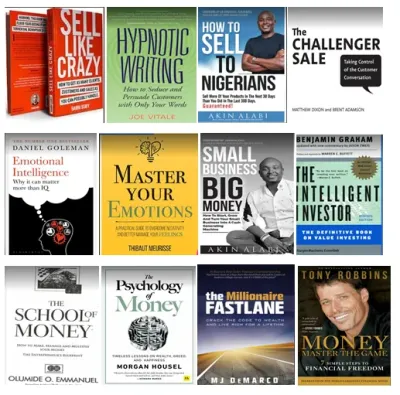
Prices are valid at publication and may change. Please refer to the product page for the latest price.
This framework is primarily designed for individuals who find themselves stuck in cycles of people-pleasing, professional stagnation, or personal boundary violations. If you frequently struggle to say no to extra workloads, find it difficult to voice your opinions in group settings, or feel that your career progress has stalled due to over-compliance, the book aims to address these specific hurdles. The author argues that transitioning from a passive mindset to an assertive one is not about becoming aggressive, but rather about establishing a firm sense of self-worth and direction.
Understanding this distinction is crucial before purchasing. The book is targeted at readers who need a strong, motivational push to reclaim their autonomy. If you are already highly assertive and comfortable navigating complex interpersonal conflicts, the core message may feel repetitive. However, for those who naturally default to compliance to avoid friction, the book’s structured contrast between passive and proactive behaviors offers a clear mirror to evaluate their daily habits.
Evaluating Practical Value Beyond Marketing Claims
When evaluating any self-help book, it is essential to look beyond marketing claims and check for concrete, actionable content. A valuable personal development book should offer more than just motivational rhetoric; it needs to provide structured exercises, self-reflection prompts, or step-by-step frameworks that you can apply to your daily routine. Before buying, check the table of contents or official previews to see if the chapters include practical worksheets, behavioral checklists, or real-world scenarios that guide you through the process of setting boundaries.

For readers in the Philippines, the cultural and contextual relevance of this assertive mindset requires careful consideration. Local societal norms heavily emphasize interpersonal harmony, respect for hierarchy, and community cohesion. Concepts such as maintaining smooth relationships and honoring reciprocal obligations often encourage individuals to adopt more compliant, accommodating behaviors. Applying a highly assertive “wolf” mindset in a local corporate setting or within close-knit family structures can sometimes be misinterpreted as disrespect or aggression if not handled with care.
Therefore, the practical value of the book lies in your ability to adapt its principles to your specific environment. You must look for ways to practice healthy assertiveness without completely discarding the collaborative values that facilitate positive community relationships. When reading, focus on how the book’s advice on boundary-setting can help you establish professional limits at work while still maintaining a cooperative and respectful relationship with colleagues and supervisors.
Additionally, verify the author’s credentials and the underlying methodology of the book. Books that base their advice on established behavioral principles, cognitive reframing, or structured communication techniques generally offer more sustainable value than those relying purely on personal anecdotes. Look for references to recognized psychological concepts or structured communication frameworks within the text to ensure the advice is grounded in reliable practices.
Pre-Purchase Checks: Editions, Formats, and Authorized Sourcing
Before finalizing your purchase of the ‘Raise a Wolf, Not a Sheep’ power book, it is important to verify the specific edition, language, and format to ensure it matches your reading preferences. The book may be available in physical formats, such as paperback or hardcover, as well as digital formats like e-books and audiobooks. If you prefer highlighting key passages and writing notes in the margins, a physical copy is often the most practical choice for active study.
If you opt for a physical copy, keep in mind the environmental factors of your location. In tropical climates with high humidity, paperbacks are susceptible to moisture damage, page yellowing, and foxing over time. To preserve your investment, ensure you have a dry, well-ventilated storage space, or consider purchasing a hardcover edition if available. Alternatively, digital e-books are highly durable, space-saving, and immune to humidity, making them an excellent option for long-term preservation.
When choosing digital or audio formats, always check for regional restrictions, digital rights management (DRM) limitations, and device compatibility. Ensure the file format is compatible with your specific e-reader, tablet, or smartphone application before completing the transaction. Some digital platforms restrict access based on geographical location, so verifying that the title is authorized for download in your region is a necessary step.
Finally, prioritize purchasing from authorized sellers, official publisher stores, or established national bookstore channels. Unauthorized online marketplaces often list counterfeit or pirated physical copies at unusually low prices. These pirated versions frequently suffer from poor print quality, missing pages, incorrect formatting, and binding failures that severely disrupt the reading experience. Buying from legitimate sources guarantees that you receive a complete, high-quality copy while supporting the creators and publishers.
When to Read It and When to Seek Alternatives
The ‘Raise a Wolf, Not a Sheep’ power book is highly recommended if you are currently experiencing a specific transition phase where you need to build confidence, overcome people-pleasing tendencies, or step into a leadership role. It serves as a useful catalyst for individuals who need a direct, uncompromising reminder to prioritize their personal and professional growth. If your primary goal is to develop a stronger sense of agency and learn how to say no constructively, this book aligns well with your needs.
However, there are scenarios where you should skip this book or seek alternative resources. If you are dealing with deep-seated psychological challenges, severe anxiety, or trauma-related boundary issues, a general self-help book is not a substitute for professional mental health care. In such cases, consulting a licensed counselor or seeking books written by clinical psychologists that focus on evidence-based therapeutic practices is a safer and more effective path.
Furthermore, if you are looking for highly technical skill-building, such as specific project management methodologies or advanced corporate negotiation tactics, this motivational book may feel too broad. You would benefit more from specialized professional development textbooks or industry-specific guides. If the aggressive metaphors of the book do not resonate with your personal values, consider exploring alternative self-help genres, such as books on emotional intelligence, collaborative communication, or mindful leadership, which emphasize empathy and cooperation alongside assertiveness.
Frequently Asked Questions (FAQ)
Is the 'Raise a Wolf, Not a Sheep' power book available in local bookstores in the Philippines?
Availability can vary depending on local shipment schedules and demand. To find a copy, check the online catalogs of major national bookstore chains or visit their physical branches in major metropolitan areas. You can also search the verified official stores of local book distributors on authorized ecommerce platforms. If the physical book is out of stock, digital storefronts and global e-book platforms generally offer immediate access to the digital version without shipping delays.
How long does it typically take to read and apply the concepts from this book?
The time required to read the book depends on its official page count and your personal reading speed. A standard self-help book of this nature can typically be read within a few days of casual reading. However, to truly benefit from the material, it is recommended to adopt a paced reading approach, such as reading one chapter per week. This slower pace allows you sufficient time to complete any reflection exercises, write in a journal, and actively practice setting boundaries in your daily personal and professional life.

Community discussion
Share your experience or ask a question. Comments are reviewed before publication.