
Deciding whether to invest your time and professional development budget in a new leadership guide is a critical step for any rising professional. For young professionals in the Philippines navigating the transition from an individual contributor to a leadership role, finding the right resource can significantly ease the learning curve. While “The Making of a Manager” offers a highly practical, empathetic, and tactical roadmap, its actual value to your career depends on your current professional stage, immediate workplace challenges, and preferred learning style.
Assess Your Current Career Stage and Management Needs
Transitioning into a leadership role is rarely a smooth, linear path. To determine if a foundational management book is your best next step, you must first pinpoint your exact career transition phase. Are you an aspiring manager hoping to climb the corporate ladder, a newly promoted team lead trying to find your footing, or an experienced manager looking to refine your established style? Each stage demands a vastly different set of tools, mental models, and practical strategies.
For those in the early stages of this transition, the daily pain points are often highly tactical and deeply personal. You might struggle with how to delegate tasks without micromanaging, how to run meetings that do not feel like a waste of time, or how to deliver constructive feedback without damaging workplace relationships. These challenges require a fundamental shift in how you view your productivity, moving from what you can accomplish individually to how you can help your entire team succeed.
Products mentioned in this guide
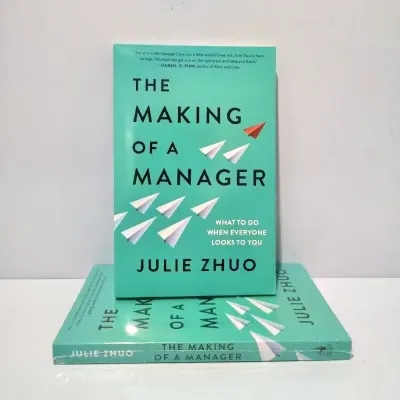
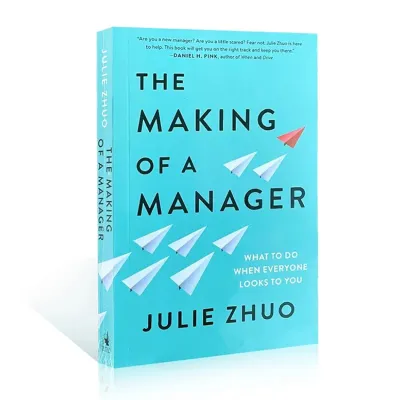
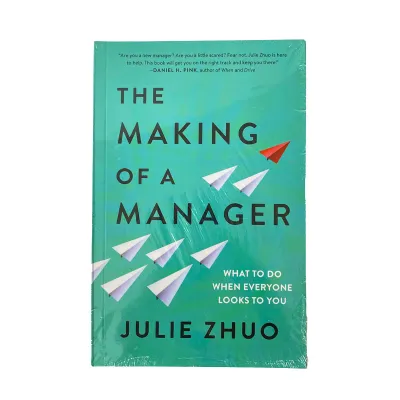
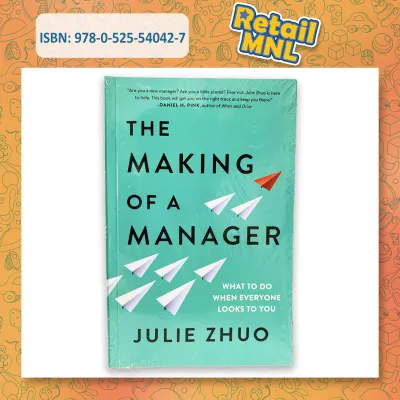

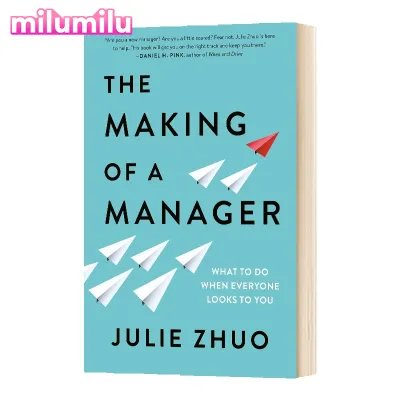
Prices are valid at publication and may change. Please refer to the product page for the latest price.
If your current struggles revolve around these interpersonal dynamics and daily operational hurdles, you primarily need foundational mindset shifts and basic people skills. On the other hand, if you are already comfortable managing a team and are now tasked with corporate restructuring, long-term financial forecasting, or navigating complex macro-economic challenges, your needs have evolved. In that case, high-level strategic frameworks or specialized executive literature would be more appropriate than an introductory guide.
What to Expect From The Making of a Manager
Before purchasing any business book, it is wise to evaluate its core themes directly against your personal learning gaps. Rather than relying solely on brief online summaries or social media reviews, look closely at the official publisher descriptions and the table of contents. This direct verification helps you confirm whether the book actually covers the specific operational areas you need to master, such as hiring practices, team building, and managing daily workflows.

Understanding the author’s professional background is equally critical for setting your expectations. The author’s experience as a product design executive in a fast-scaling technology company heavily shapes the context of the management advice provided. The book reflects the fast-paced, collaborative, and often chaotic environment of modern tech firms. If you work in a similar agile environment, the lessons on rapid scaling, cross-functional collaboration, and iterative feedback will feel highly relevant.
Readers should expect a book that leans heavily toward practical, day-to-day tactical advice rather than dense, academic organizational theory. The chapters are structured to address real-world scenarios, offering concrete templates for one-on-one meetings, frameworks for decision-making, and step-by-step guides on how to handle common management dilemmas. It demystifies the role of a manager by treating leadership as a set of learnable skills rather than an innate trait.
Signs This Book Matches Your Learning Goals
You can confidently decide to invest in this book if you are currently experiencing the specific shift from being an individual contributor to a people manager. This transition is notoriously difficult because the skills that made you an excellent technical performer or creative specialist are not the same skills required to lead others. If you find yourself suddenly responsible for the output of a group rather than just your own, this book is designed specifically for your situation.
Another clear sign of alignment is if you are struggling with the social dynamics of promotion, particularly managing former peers. Transitioning from a coworker to a supervisor requires establishing healthy authority without alienating your colleagues, setting clear team expectations, and navigating potential awkwardness in professional boundaries. The book offers highly relatable, first-hand advice on how to handle these delicate interpersonal shifts.
Finally, this resource matches your goals if your learning style favors personal, experience-based narratives over dry academic models. If you prefer reading about real mistakes, lessons learned in the trenches, and practical checklists that you can immediately apply in your next team meeting, the conversational and empathetic tone of this book will resonate deeply with you.
When to Consider Alternative Management Resources
While highly regarded, this book is not a universal solution for every leadership challenge. If you are already an experienced manager or executive, you may find the foundational advice on running meetings or giving basic feedback to be too elementary. At an advanced stage in your career, your time is better spent on literature that addresses complex corporate restructuring, macro-economic leadership, long-term strategic planning, or advanced financial management.
Similarly, if you operate in a highly regulated, traditional, or deeply technical industry—such as healthcare, heavy manufacturing, or civil engineering—the agile, tech-centric management style described in the book might not fully translate. These fields often require specialized management guides that account for strict compliance protocols, formal labor union relations, or highly specific safety standards that are not covered in a general tech-focused leadership book.
It is also important to recognize when a book is simply the wrong medium for your current needs. If you are facing an immediate, highly complex workplace crisis or require personalized guidance, reading a book may not provide the rapid resolution you need. In such cases, exploring professional mentorship programs, enrolling in specialized short courses, or participating in interactive leadership workshops in the Philippines can offer the tailored, real-time feedback necessary to navigate your specific challenges.
How to Verify the Book's Edition and Format Before Buying
To get the most out of your purchase, carefully consider which format aligns best with your daily routine and learning habits. If you face a long daily commute in Manila’s traffic, an audiobook format might turn idle travel time into productive study sessions. Conversely, if you prefer highlighting key passages, writing notes in the margins, and referencing checklists during your workday, a physical paperback or hardcover edition may be a more practical choice for your desk.
Before finalizing your purchase, verify the publication details to ensure you are receiving a complete and authorized edition. Check the publication date and edition number listed by the publisher, as some books receive updated prefaces, revised chapters, or additional study guides in newer printings. Purchasing through authorized local bookstores or official publisher channels in the Philippines guarantees that you receive a high-quality, legitimate copy rather than a poorly printed counterfeit that may have missing pages or formatting errors.
Frequently Asked Questions (FAQ)
Is this book useful for managers in the Philippines?
Yes, the core management principles detailed in the book—such as building trust, setting clear expectations, and focusing on outcomes—are universal and highly applicable to the corporate landscape in the Philippines. However, young Filipino professionals should adapt these concepts to align with local workplace cultural norms. For instance, when delivering constructive feedback, it is often beneficial to balance the directness recommended in Western literature with the relational sensitivity, diplomacy, and emphasis on interpersonal harmony (pakikisama) that are valued in Filipino professional environments.
How long does it typically take to read and apply the concepts?
The time required to read the book depends on your personal reading speed and the official page count of the edition you purchase. Rather than rushing through the text in a single weekend, a more effective approach is to pace your reading over several weeks. Try reading one chapter at a time, and focus on actively applying its specific concepts—such as structuring a one-on-one meeting or delegating a new task—in your workplace before moving on to the next section. This deliberate, iterative practice ensures that the book’s insights translate into lasting professional habits.

Community discussion
Share your experience or ask a question. Comments are reviewed before publication.