
Receiving your very first salary is a major milestone, but it often comes with a sudden wave of financial responsibility. If you are considering The Art of Spending Money book as your guide to navigating this transition, it can serve as an excellent tool for reshaping how you view wealth, consumption, and long-term financial security. However, while its philosophical approach to spending can help you build a healthy relationship with money, relying solely on its concepts may leave you unprepared for the practical, day-to-day realities of managing an entry-level income in the Philippines. To make the most of this book, you must learn how to separate its universal psychological principles from its foreign economic assumptions, adapting its core lessons to fit your actual take-home pay and local living expenses.
Evaluating the Book's Core Concepts for a First Salary
Before diving headfirst into any financial guide, a young professional must verify what the text actually aims to teach. By checking the official publisher description and the table of contents of The Art of Spending Money book, you can determine whether the author focuses on high-level mindset shifts, strict budgeting rules, or advanced investment strategies. For a first-time earner, a book that prioritizes financial psychology is highly valuable because it addresses the root cause of early-career money problems: the sudden urge to spend simply because you finally have your own funds. Understanding the difference between mindful consumption and impulsive spending is a critical first step before you even begin tracking your expenses.
However, you must critically evaluate whether the book’s strategies are truly actionable for entry-level income brackets. Many international personal finance books are written with the assumption that the reader already possesses a high disposable income or significant starting capital. If the text suggests allocating large sums to investments immediately, it may not align with your immediate need to establish a basic financial safety net. As a fresh graduate or young professional, your primary goals should be highly foundational, such as building a starter emergency fund and learning how to avoid lifestyle creep as your salary grows.
Products mentioned in this guide
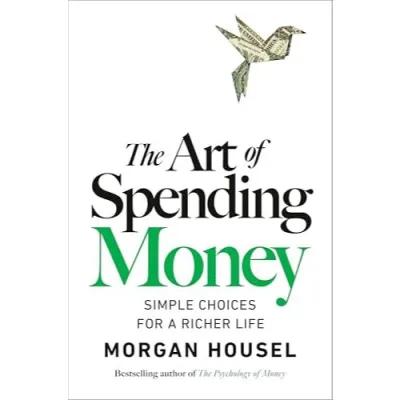



Prices are valid at publication and may change. Please refer to the product page for the latest price.
Lifestyle creep occurs when your expenses rise naturally alongside your income, leaving you with no more savings than when you earned less. If the book teaches you how to identify your true values and align your spending with those values, it will help you resist the social pressure to upgrade your lifestyle too quickly. Look for chapters that discuss the emotional triggers behind spending, as these lessons are universally applicable regardless of your starting salary. If the book instead focuses heavily on complex wealth-building vehicles that require substantial capital, you should treat those sections as future reading and focus your immediate attention on the chapters covering basic cash flow management.
Adapting the Advice to the Philippine Financial Context
While universal financial principles remain true across borders, the practical application of those principles changes dramatically when applied to the local economic environment. If the book recommends specific budgeting ratios, such as the classic 50/30/20 rule, you must cross-reference these percentages with the actual cost of living in major urban centers like Metro Manila or Cebu. High inflation, rising utility bills, and the daily costs of commuting can quickly consume a much larger portion of an entry-level salary than a foreign text might assume. For many young professionals, rent and transportation alone can easily exceed half of their net income, making rigid international budgeting templates difficult to sustain without modification.

Furthermore, any practical budget must be built around your actual take-home pay rather than your gross salary. In the Philippines, your monthly payslip is subject to mandatory statutory deductions, including contributions to the Social Security System (SSS), the Philippine Health Insurance Corporation (PhilHealth), and the Home Development Fund (Pag-IBIG), alongside withholding taxes. These deductions are processed automatically by your employer, meaning the money available for your budget is significantly lower than your contract rate. When applying the book’s spending frameworks, ensure you are calculating your percentages based on your net income after these deductions have already been subtracted.
Another critical area where international advice requires local adaptation is in managing debt and credit. Many foreign finance books focus heavily on credit card optimization, rewards points, or traditional bank loans. In the local market, however, young professionals are frequently targeted by high-interest digital lending apps and unregulated buy-now-pay-later schemes integrated directly into popular e-commerce platforms. These digital tools make it incredibly easy to split purchases into seemingly small monthly payments, which can quickly accumulate into a cycle of high-interest debt. If the book warns against consumer debt, you must apply that warning directly to these modern, localized digital traps, resisting the temptation to finance non-essential purchases through online marketplace payment plans.
Identifying Limitations and Missing Local Context
A major limitation of relying solely on an international personal finance book is the complete absence of localized financial infrastructure and regulatory guidance. The Art of Spending Money book will not teach you how to navigate the Bureau of Internal Revenue (BIR) tax filing requirements, nor will it explain how to maximize local government-backed savings programs. For a young professional in the Philippines, understanding these domestic systems is crucial for building a legally compliant and optimized financial foundation. Without local context, you might miss out on highly accessible, low-risk wealth-building tools designed specifically for citizens.
For instance, the book is unlikely to mention domestic investment vehicles such as Pag-IBIG MP2 (Modified Pag-IBIG II), which is a highly popular, voluntary savings program offering tax-free dividends backed by the government. It will also lack information on local mutual funds, Unit Investment Trust Funds (UITFs) offered by domestic banks, or the Personal Equity and Retirement Account (PERA). To bridge this gap, you must treat the book as a guide for your financial mindset while actively seeking out official government resources and local regulatory guidelines to understand where to safely deposit and grow your money.
Additionally, the economic assumptions in foreign books often reflect low-inflation environments with highly stable currencies. In contrast, managing your first salary in a developing economy requires a keen awareness of local inflation rates and how they erode the purchasing power of cash kept in traditional, low-interest savings accounts. To protect your hard-earned money, you will need to research local digital banks that offer higher interest rates for emergency funds, while ensuring these institutions are fully regulated by the Bangko Sentral ng Pilipinas (BSP) and insured by the Philippine Deposit Insurance Corporation (PDIC).
Building a Payday Action Plan From the Book's Advice
To turn the theoretical concepts of the book into a sustainable habit, you need to establish a structured, repeatable payday routine. The moment your salary is credited to your account, your first action should be to allocate your funds according to a pre-determined plan, rather than waiting to see what is left at the end of the month. Start by automating your savings transfer to a separate account that is not easily accessible for daily spending. Next, set aside the exact amounts needed for your fixed expenses, such as rent, utilities, and mandatory commuting costs, ensuring these essential obligations are covered before any discretionary spending occurs.
However, your payday plan must also include clear stopping conditions that protect your financial stability when external pressures arise. In many Filipino households, young professionals face significant family expectations, often acting as contributors to household expenses, siblings’ education, or emergency medical costs. If the book’s rigid savings targets prevent you from fulfilling these deeply ingrained family obligations, or if they make it impossible to pay down high-interest debts, you must pause and adjust the ratios. Your immediate priority must always be high-interest debt elimination and basic survival, even if it means temporarily reducing your long-term investment allocations.
Finally, implement a practical tracking method that fits your lifestyle to monitor your spending behavior over time. Whether you prefer a simple spreadsheet, a dedicated mobile budgeting application, or a physical notebook, the key is consistency. Track every single transaction, especially small daily expenses like convenience store purchases or delivery fees, which can quietly derail your budget. At the end of each month, compare your actual spending against your planned budget, and do not hesitate to adjust your categories as local living costs fluctuate or as your career progresses.
Frequently Asked Questions (FAQ)
Comparing the Book to Local Personal Finance Blogs
When deciding how to allocate your reading time, it is helpful to understand the distinct roles that structured books and local financial blogs play in your education. A published book like The Art of Spending Money provides a cohesive, well-edited framework that helps you build a strong psychological foundation and a long-term financial philosophy. In contrast, local personal finance blogs, online forums, and social media groups offer highly specific, real-time information regarding local bank promotions, digital bank interest rates, and step-by-step guides for opening local investment accounts.
To maximize your financial literacy, you should use these two resources in tandem rather than choosing one over the other. Use the book to establish your core principles, such as mindful spending, avoiding lifestyle inflation, and understanding the value of delayed gratification. Once you have a firm grasp of these timeless concepts, turn to reputable local blogs and official financial portals to find the specific tools, platforms, and current market rates needed to execute those concepts within the local economy.
General Savings Guidelines for Your First Paycheck
If you are looking for a safe, baseline starting point to structure your very first paycheck, a highly recommended starting framework is the 50/30/20 budget. Under this system, you allocate 50% of your net take-home pay to your absolute needs, such as housing, utilities, basic groceries, and daily transportation. You then allocate 30% to your wants, which includes dining out, entertainment, and personal hobbies, while reserving the remaining 20% strictly for savings, debt repayment, and building your emergency fund.
However, this baseline ratio is not a rigid rule and must be adjusted to reflect your personal circumstances and local economic realities. If you have significant family support responsibilities or are actively paying off high-interest loans, you may need to temporarily reduce your wants category to ensure your obligations are met. Conversely, if you live at home with your parents and have minimal living expenses, you should take advantage of this unique window to save a much higher percentage of your income before independent living costs begin to apply.

Community discussion
Share your experience or ask a question. Comments are reviewed before publication.