
Collecting physical music has transformed from a simple way to listen to songs into a highly tactile, visual, and emotional experience. For fans of K-Pop and P-Pop, a special or limited edition album is far more than a simple container for a CD disc with music; it is a curated art piece, a time capsule of a specific concept, and a valuable collectible. Determining whether a particular release is worth adding to your shelf requires evaluating its physical uniqueness, verifying its authenticity, and understanding how to preserve its condition in a tropical climate.
Identifying the Physical Markers of Special and Limited Editions
Special and limited editions immediately stand out through their non-standard packaging. While a regular release might use a simple jewel case or a slim paper sleeve, a limited edition often arrives as an oversized box set, an intricate digipak, or a custom-molded container that reflects the musical concept. These unique structures turn the album into a display piece for your shelf, immediately distinguishing it from standard retail versions.
Inside these elaborate packages, you will find exclusive physical inclusions that are rarely available in standard pressings. Expanded photobooks featuring behind-the-scenes concepts, high-quality lyric booklets, and large-format folded posters are common staples. Most importantly, limited editions frequently contain exclusive photocards—often featuring unique holographic finishes, alternative poses, or printed signatures—which carry significant trading value among collectors.
Products mentioned in this guide
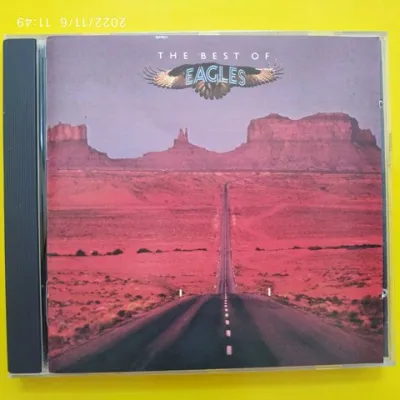
Prices are valid at publication and may change. Please refer to the product page for the latest price.
The physical medium itself often receives a visual upgrade in these special releases. Instead of a plain silver disc, the CD disc with music may feature custom silk-screened artwork, or the release might include a colored vinyl record or a uniquely shaped USB drive. Some premium packages even include physical memorabilia, such as embroidered patches, sticker sheets, or metal pin badges that tie directly to the artist’s promotional era.
To confirm their limited status, many of these premium releases feature official numbering or certificates of authenticity. Look for unique serial numbers printed directly on the outer box or on an enclosed card, which verify the item’s place within a restricted production run. Additionally, official holographic security stickers from the distributing music association or the entertainment label are typically affixed to the back of the packaging, catching the light to prove the album’s premium status.
Verifying Authenticity and Official Release Status
With the rising demand for rare collectibles, counterfeit albums and unofficial fan-made replicas have become increasingly common. To protect your investment, always begin by inspecting the outer packaging for official entertainment label logos, accurate barcodes, and detailed publisher information. Legitimate releases list the exact manufacturing and distribution credits, which should match the official details provided by the music label.

Before committing to a purchase, cross-reference the album’s specifications with official release announcements. Check the artist’s verified social media channels or their agency’s official website to confirm the exact dimensions, weight, and included contents of the limited edition. If a seller offers a version with inclusions or packaging colors that were never officially announced, it is highly likely a counterfeit or a fan-made reproduction.
Many modern music releases utilize platform-specific verification codes or advanced anti-piracy holograms to guarantee authenticity. These stickers, often issued by national music industry associations, feature complex reflective patterns that are difficult for counterfeiters to replicate. Some labels also include QR codes that you can scan using official mobile applications to register the album and verify its genuine status online.
When browsing online marketplaces or secondary trading groups, learn to recognize common red flags that indicate potential fraud. Be cautious of listings that rely solely on official stock photos rather than clear, high-resolution photos of the actual physical item in the seller’s possession. Furthermore, a genuine limited edition should ideally retain its original factory shrink-wrap and seals; missing seals or opened packages with missing inclusions should prompt a thorough inspection of the remaining items.
Evaluating Collectible Value and Personal Worth
Evaluating whether a limited edition is worth its price tag requires a careful look at its actual scarcity. Some albums are truly limited by a specific, announced production run, while others are only “limited” by a short pre-order window, after which production ceases. Discontinued pressings that are no longer in print naturally command higher demand over time, making early verification of the production status essential before buying.
It is vital to align your purchases with your personal collecting goals rather than relying on speculative market trends. Collecting should bring personal satisfaction; buying an expensive special edition solely because of online hype can lead to buyer’s remorse if the market value fluctuates. Focus on acquiring music and memorabilia from artists you genuinely support, ensuring the physical items hold sentimental value regardless of future resale prices.
Financial planning is another critical step, especially when managing your hobby budget in Philippine Pesos (₱). When ordering international releases, the base price of the album is only part of the total cost. You must factor in international shipping fees, local customs duties, and courier handling charges, which can sometimes double the initial price of a heavy box set. Compare local group orders and trusted local hobby shops to find the most cost-effective way to secure your copy.
Finally, decide on your approach to preservation versus enjoyment before the album arrives. Keeping a limited edition completely sealed in its original shrink-wrap preserves its pristine condition and potential resale value, but it prevents you from enjoying the photobook and displaying the inclusions. If you choose to open the album, do so carefully with a utility knife along the edge to keep the outer plastic wrap intact as an extra layer of protection.
Preserving the Condition of Your Physical Music Collection
The tropical climate of the Philippines presents unique challenges for preserving physical media, making proper storage conditions essential. High humidity can cause paper photobooks to warp, pages to stick together, and mold to develop on cardboard packaging. To prevent this, store your collection in a cool, dry room, ideally away from exterior walls, and keep albums out of direct sunlight to prevent the vibrant colors on the covers from fading.
Investing in high-quality protective sleeves is one of the most effective ways to safeguard your collection from wear and tear. Place individual photocards in acid-free, PVC-free plastic sleeves to prevent scratching, fading, and chemical degradation over time. For the album itself, clear resealable plastic bags protect the outer box from dust and moisture, while keeping the CD disc with music in its designated tray or a soft inner sleeve prevents surface scratches.
The physical arrangement of your shelves also plays a role in maintaining the structural integrity of your albums. Heavy box sets and thick photobooks should generally be stored vertically, similar to books on a library shelf, to prevent uneven pressure from warping the covers. However, if an album has an unusually fragile binding or a top-heavy design, storing it flat in a small stack may be safer to prevent the spine from sagging or tearing.
When handling your physical media, always hold the CD disc with music by its outer edges or the center spindle hole to avoid leaving oily fingerprints on the playable surface. If a disc accumulates dust or smudges, clean it gently using a dry, lint-free microfiber cloth, wiping in straight lines from the center hole outward to the edge. Avoid circular wiping motions, as these can create concentric scratches that may permanently damage the audio playback.
Frequently Asked Questions (FAQ)
Do limited edition albums always include a CD disc with music?
While many special releases still center around a physical CD disc with music, the modern landscape of K-Pop and P-Pop has introduced alternative formats. Some limited editions are released as platform or smart albums, which replace the physical disc with a digital download code, an NFC card, or a specialized QR code. These editions focus almost entirely on high-quality physical merchandise, photobooks, and exclusive photocards, while the audio content is accessed digitally through a dedicated mobile application.
How can I tell if an album is a fan-made replica?
Fan-made replicas and unofficial reproductions typically reveal themselves through a lack of official industry branding and lower manufacturing standards. Inspect the print quality closely; unofficial items often feature blurry text, pixelated images, and dull colors due to being scanned from original sources. Additionally, replicas will lack official barcodes, copyright text from the entertainment label, and the reflective holographic security seals that are standard on all official releases.
Are digital versions considered limited editions?
True limited editions rely on physical scarcity and exclusive, tangible inclusions that cannot be replicated digitally. While some digital music platforms offer time-bound exclusive tracks, digital booklets, or special purchase badges, these digital assets do not carry the same collectible value as physical items. Because digital files can be reproduced infinitely without degradation, they lack the physical limitations and tactile appeal that define a genuine collector’s item.

Community discussion
Share your experience or ask a question. Comments are reviewed before publication.