
Starting a physical music collection in the digital era is a deeply tactile and rewarding pursuit. For fans of Korean Pop (K-Pop) and Philippine Pop (P-Pop), collecting physical compact discs (CDs) is not just about listening to the music; it is about owning a piece of an artist’s creative era. Limited and special edition releases elevate this experience by offering unique packaging, exclusive merchandise, and rare collectibles that standard editions omit.
To build a successful collection as a beginner, you must learn to distinguish authentic releases, protect your physical media from environmental wear, and navigate local and international sourcing channels. By establishing systematic verification and storage habits early on, you can protect your financial investment and enjoy a pristine library of your favorite musical eras.
Identifying Limited and Special Edition CD Features
Understanding what makes a CD a “limited” or “special” edition is the first step in making informed purchases. Standard editions typically feature a basic jewel case or a simple digipak with a standard booklet and a single photocard. In contrast, limited and special editions are often housed in oversized box sets, elaborate outboxes, or unique materials like tin cases or fabric-wrapped packages. These premium versions frequently include expanded photobooks, exclusive poster sets, sticker sheets, postcards, and highly coveted, limited-run photocards that are not available in standard pressings. Some special editions even feature unique physical mechanisms, such as pop-up elements or lenticular covers that change images depending on the viewing angle.
Products mentioned in this guide
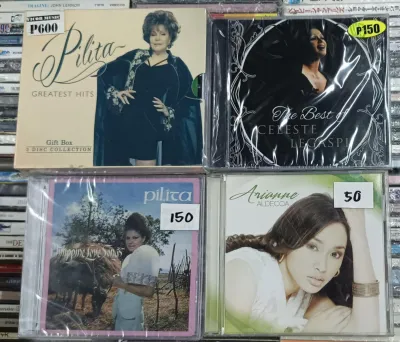
Prices are valid at publication and may change. Please refer to the product page for the latest price.
Beyond physical size, you must pay attention to region-specific releases and platform-exclusive variants. Many entertainment agencies release specific versions of a CD for different markets, such as domestic Korean editions, Japanese editions with exclusive bonus tracks, or international retail variants. Furthermore, online marketplaces and official fan platforms often distribute exclusive pre-order benefits (POBs), which are unique photocards or merchandise items bundled with the CD only during the initial release window. Identifying these variants requires checking the official tracklists and packaging specifications published by the artist’s label, as well as verifying if the release includes exclusive retail-exclusive cards.
Verifying authenticity is critical when purchasing rare or limited editions, as high-value items are susceptible to counterfeiting. For K-Pop CDs, look for the official Korea Music Copyright Association (KOMCA) hologram sticker on the back of the packaging. These stickers have changed designs over the years, featuring distinct holographic patterns and serial numbers that reflect light when tilted. For P-Pop and other local releases, verify the presence of official publisher logos, copyright notices, and correct catalog numbers printed on the spine of the case and the inner ring of the physical disc. Cross-referencing these catalog numbers with online discography databases helps ensure you are holding a genuine pressing rather than an unauthorized bootleg.
Preparing Storage and Protection for Your CDs
Once you begin acquiring limited edition CDs, establishing a secure physical environment is essential to preserve their value and condition. Standard shelving can support the weight of heavy box sets, but you must ensure the shelves are sturdy and deep enough to accommodate oversized packaging without bending or crushing the corners. Acrylic display stands are excellent for showcasing your favorite cover art or open photobooks, but they should hold the items securely without putting excessive pressure on the binding. To prevent scratches and scuffs on delicate outboxes, slide each album into a high-quality, acid-free protective plastic sleeve. These sleeves act as a barrier against dust, fingerprints, and minor surface abrasions.

The tropical climate of the Philippines presents unique challenges for physical media preservation. High relative humidity can lead to mold growth on paper booklets, warping of cardboard packaging, and a destructive phenomenon known as “disc rot,” where the reflective layer of the CD oxidizes and becomes unplayable. To combat these risks, store your collection in a well-ventilated room away from direct sunlight, which can rapidly fade the vibrant colors of album spines and photobooks. Placing silica gel packets inside your storage cabinets or using a small dehumidifier in your display area can significantly reduce moisture buildup and protect your investment from environmental decay.
Organizing your collection early on makes retrieval easier and enhances the visual appeal of your display. You can categorize your CDs alphabetically by artist, chronologically by release date, or by music genre. Some collectors prefer to group their limited editions separately from standard jewel cases to create a cohesive visual aesthetic on their shelves. Whichever system you choose, ensure that heavier box sets are stored upright rather than stacked horizontally, as prolonged vertical pressure can warp the cases of the albums underneath. Proper spacing between albums also prevents the packaging from sticking together in humid conditions.
Sourcing Authentic K-Pop and P-Pop CDs in the Philippines
Finding genuine limited edition CDs requires a strategic approach to sourcing, especially when dealing with international imports. For P-Pop releases, official brand stores, authorized local distributors, and physical record shops located in major metropolitan malls are the most reliable sources. These physical locations allow you to inspect the physical condition of the album before making a purchase. For K-Pop releases, look for local music retailers that are officially partnered with major Korean music charts, such as Hanteo and Circle Chart, ensuring that your purchase directly supports the artist’s chart performance. These certified stores guarantee that your album is counted toward weekly music show rankings.
When physical stores do not carry the specific limited edition you want, online marketplaces and third-party resellers become necessary alternatives. However, navigating these platforms requires caution. Always evaluate the seller’s rating, read detailed customer reviews, and look for actual photos of the product rather than stock images. Be wary of listings with prices that seem too good to be true, as they often indicate bootleg copies, damaged goods, or listings that exclude the highly valued photocard inclusions. If a seller refuses to provide clear photos of the authenticity stickers or the disc’s inner ring, it is best to look elsewhere to avoid scams.
For highly anticipated comebacks, participating in pre-order periods is often the only way to secure a limited edition CD before it sells out. Many local collectors join “group orders” (GOs) organized by reputable community members. Group orders help reduce individual shipping costs by pooling orders together and importing them via bulk sea or air cargo. When participating in a group order, understand the payment terms—which often involve a first payment for the album itself and a second payment for international and local shipping—and verify the organizer’s track record through community feedback, transaction proofs, and clear terms of service.
Inspecting and Verifying Your CD Deliveries
The excitement of receiving a new limited edition CD should always be accompanied by a thorough inspection process. Before opening the shipping package, prepare a clean, flat surface and set up your phone to record a continuous, unedited unboxing video. This video serves as your primary evidence if you need to file a claim for transit damage or missing items. Carefully examine the outer bubble wrap or cardboard box for signs of rough handling, then inspect the album’s shrink wrap, jewel case, or digipak for cracks, dents, or torn corners that may have occurred during transit. Documenting these details before breaking the seal is crucial for a successful dispute.
Once the outer packaging is open, verify the completeness of all internal inclusions. Limited editions are famous for their complex assortments of photobooks, lyric sheets, sticker sets, and randomized photocards. Cross-reference the items inside your package with the official unboxing checklist or preview image provided by the entertainment label during the pre-order period. If a specific photocard or poster is missing, or if you receive duplicate items due to a factory packaging error, having an uninterrupted unboxing video is crucial when contacting the seller for a replacement or refund. Most reputable distributors will not entertain claims without this video proof.
The final step of your inspection is testing the physical CD itself. While many modern collectors keep albums as display pieces, verifying the playability of the disc is essential for quality control. Place the CD in a compatible player and listen to a few tracks, paying close attention to the transitions between songs. Check the shiny side of the disc under a bright light for any deep scratches, manufacturing scuffs, or cloudy patches that could cause playback skipping or audio errors. Identifying these issues immediately allows you to address them within the seller’s return window before the transaction is finalized.
Maintaining and Growing Your Collection Long-Term
Preserving the pristine condition of your K-Pop and P-Pop CDs requires regular, gentle maintenance. Dust can accumulate quickly on shelves and plastic sleeves, so wipe down your display area weekly with a dry microfiber cloth. If a plastic jewel case or outer sleeve becomes dirty, use a slightly damp microfiber cloth to clean it, ensuring no moisture comes into contact with paper booklets or cardboard components. Never use harsh chemical solvents, alcohol, or abrasive materials on the physical discs, as these can permanently damage the protective polycarbonate layer and ruin the recorded data. Always handle discs by their edges to avoid leaving oily fingerprints.
As your passion for collecting grows, setting a sustainable budget is vital to avoid financial strain. The fast-paced cycle of music comebacks, special editions, and solo debuts can easily lead to overspending. Create a dedicated wishlist of the specific albums, versions, and eras you want to prioritize, and allocate a fixed monthly amount for your hobby. Using digital spreadsheets or collection tracking apps can help you monitor your expenses and avoid duplicate purchases. Remember that you do not need to own every single version of an album to have a meaningful collection; focusing on the releases that bring you the most joy is a much healthier approach.
Engaging with the local collector community is one of the most rewarding aspects of the hobby. Joining online forums, social media groups, and local fan meetups provides opportunities to trade duplicate photocards, share shipping costs for international orders, and receive instant alerts about restocks or rare warehouse finds. These communities are also excellent resources for learning about upcoming P-Pop physical releases and supporting local artists. By connecting with fellow collectors, you gain valuable insights that help you navigate the evolving landscape of physical music media while building lasting friendships with like-minded fans.
Frequently Asked Questions (FAQ)
Do I need a specific CD player for K-Pop and P-Pop albums?
Standard music CDs from both Korean and Philippine artists use the universal Red Book audio format, meaning they will play on any standard CD player, DVD player, gaming console, or computer disc drive worldwide without region restrictions. However, limited editions sometimes include bonus video content on DVDs or Blu-ray discs. These video formats are often subject to regional coding (such as Region 1, 2, or 3 for DVDs). To play these bonus discs, you may need a region-free player or a compatible computer drive that allows you to adjust or bypass the region settings.
What should I do if I receive a damaged or incomplete limited edition?
If your package arrives damaged or is missing key inclusions, your first step is to gather your evidence, including your uninterrupted unboxing video and high-resolution photographs of the damage. Contact the seller or authorized distributor immediately through their official customer service channel, keeping your communication polite and concise. Be sure to initiate this process within their specified return and exchange window, which is typically within seven days of delivery. If you purchased the item through a group order, reach out to your group order manager so they can coordinate with the international supplier on your behalf.
Community discussion
Share your experience or ask a question. Comments are reviewed before publication.