
Deciding on your very first personal finance book can feel overwhelming, especially when navigating the unique economic landscape of the Philippines. Robert Kiyosaki’s Rich Dad Poor Dad is often recommended as the ultimate starting point, but its suitability depends entirely on what you hope to achieve. If you need a complete psychological shift in how you view money, assets, and employment, this book offers valuable foundational concepts. However, if you are looking for immediate, step-by-step instructions on how to invest your income locally, starting here without a clear strategy can lead to confusion and mismatched expectations.
Quick Answer: Should You Read Rich Dad Poor Dad First?
For young Filipinos taking their first steps toward financial independence, Rich Dad Poor Dad serves as an excellent conceptual gateway rather than a practical manual. The ideal reader is someone who has never exposed themselves to financial literature, feels trapped in the mindset of working solely for a paycheck, and needs to understand the core difference between things that put money in your pocket and things that take it out.
Conversely, you should skip this book if your immediate goal is to learn how to file taxes, open a local stock trading account, or navigate Philippine real estate laws. The book relies heavily on American financial structures, tax codes, and corporate laws that do not translate directly to the local market. Therefore, the core condition for reading this book is to treat it strictly as a mindset-shifting tool, committing to verifying every practical step with local regulations before taking action.
Products mentioned in this guide
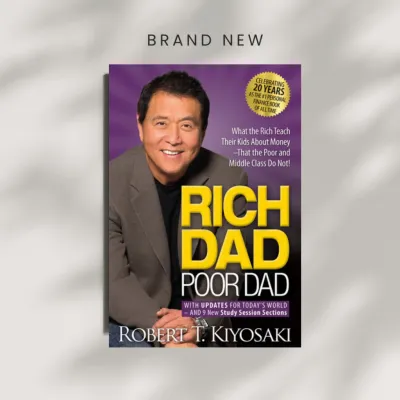
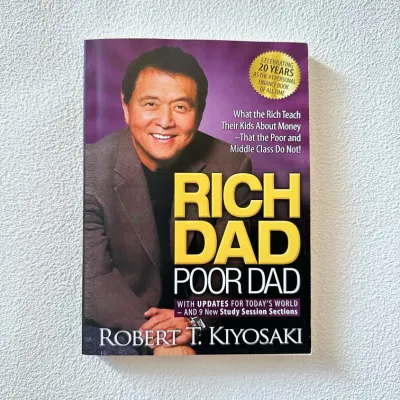
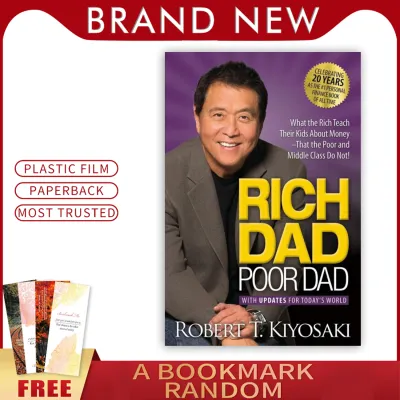
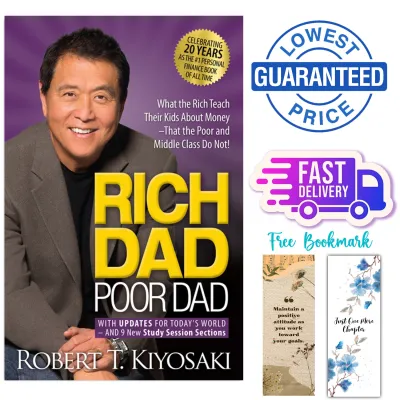
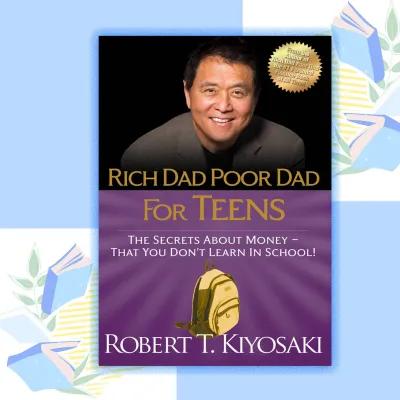
Prices are valid at publication and may change. Please refer to the product page for the latest price.
Assess Your Current Financial Literacy Level
Before purchasing any financial guide, evaluating your current baseline knowledge ensures you do not waste time on concepts you have already mastered. If you are a true beginner, you might find yourself struggling to define basic terms or realizing that your monthly income disappears without any clear tracking. For readers in this stage, the book’s simple narrative style—contrasting the financial philosophies of two father figures—provides an accessible entry point that does not require prior knowledge of economics.

However, you may have already outgrown these basic concepts if you actively track your net worth, maintain a strict monthly budget, or already hold investments in local mutual funds, cooperative shares, or digital banks. For someone who understands how inflation affects savings and is ready to optimize an investment portfolio, Kiyosaki’s broad generalizations may feel repetitive or overly simplistic.
To determine your best starting point, use this quick self-check framework:
- Mindset Restructuring: Choose this book if you view a high-paying job as the only path to wealth, or if you struggle to understand why high earners can still end up broke.
- Technical Execution: Skip this book and look for advanced manuals if you already understand basic asset allocation and need specific instructions on portfolio rebalancing, tax optimization, or corporate filing.
Align Your Learning Goals with the Book's Core Themes
Mismatched expectations are the primary reason some readers feel disappointed by Rich Dad Poor Dad. The book is fundamentally a work of financial psychology and philosophy, focusing on the emotional barriers to wealth, such as fear and greed, and the conceptual definition of cash flow. It does not provide technical formulas, balance sheet templates, or step-by-step guides on how to analyze corporate financial statements.
If your goal is to shift your relationship with money, understand why the wealthy focus on acquiring income-generating assets, and learn how to think like an employer rather than an employee, the book aligns perfectly with your objectives. If you expect to finish the book knowing exactly how to pick winning stocks on the Philippine Stock Exchange or how to negotiate a property purchase in Manila, you will find the content lacking in specific details.
Before buying, it is also essential to select the right edition and format to match your lifestyle and reading habits. Consider the following verification checklist when browsing online marketplaces or local bookstores:
- Edition: Look for the updated anniversary editions, which often include modern commentary and retrospective notes that clarify older concepts.
- Format: Choose a durable paperback if you enjoy highlighting key passages, or opt for an e-book or audiobook if you commute daily through heavy city traffic and prefer learning on the go.
- Language: Ensure you are purchasing an authorized English edition from reputable distributors to avoid poorly printed bootlegs that often plague local online spaces.
Evaluate Practical Applicability in the Philippines
The most critical step for any young Filipino reader is translating the book’s Western-centric examples into the local economic reality. Kiyosaki frequently discusses using debt to purchase real estate and leveraging specific corporate tax loopholes to protect wealth. In the Philippines, the financial ecosystem operates under different rules, interest rates, and regulatory bodies.
For instance, local real estate financing typically involves higher interest rates and different loan-to-value ratios compared to the historical American examples cited in the book. Additionally, tax structures, corporate registrations with the Securities and Exchange Commission (SEC), and filing requirements with the Bureau of Internal Revenue (BIR) have distinct compliance steps that do not mirror US tax codes. Even retirement planning must be viewed through local instruments like the Social Security System (SSS), Pag-IBIG Fund, or Personal Equity and Retirement Account (PERA).
To safely apply any concept from the book, establish a rigorous verification process:
- Cross-Reference: Always compare the book's general advice on debt and corporations with current guidelines from official local institutions like the Bangko Sentral ng Pilipinas (BSP) and the BIR.
- Consult Professionals: Never attempt to establish corporate structures or execute complex real estate transactions based solely on a popular finance book. Always consult a licensed local accountant, lawyer, or registered financial planner.
- Acknowledge Market Differences: Understand that what works in a highly developed, low-interest-rate environment may carry significantly higher risks in a developing market subject to different inflationary pressures.
Decide Your Next Step: Read, Supplement, or Choose an Alternative
Your path forward depends on where you stand after assessing your literacy level, learning goals, and the practical limitations of foreign financial advice.
Path 1: Read the Book If you are an absolute beginner who needs a motivational spark to change how you view money, this book is a worthy investment. When purchasing, budget approximately ₱400 to ₱900 for an authorized physical copy from established local book retailers, ensuring you avoid cheap, unauthorized reprints that suffer from missing pages or illegible text.
Path 2: Supplement the Book If you decide to read it, do so with the intention of immediately pairing it with local resources. Read a chapter on assets, then research how those assets operate within the Philippine context. Look up local personal finance creators, registered financial planners, or official guides from local banks to bridge the gap between global theory and domestic reality.
Path 3: Choose an Alternative If you already understand the basic concept of assets versus liabilities and want to start investing immediately, skip this book entirely. Instead, look for personal finance books written specifically by Filipino authors for the local market. These alternatives will guide you through local budgeting strategies, domestic investment platforms, and the specific tax implications of earning and investing in the Philippines.
Frequently Asked Questions (FAQ)
Do I need to agree with all the author's views to benefit from the book?
No, you do not need to agree with every perspective or anecdote to extract significant value. Many readers find some of the author’s personal stories or specific criticisms of formal education to be controversial. The key is to read critically, focusing on the core principles of cash flow, asset accumulation, and financial education while discarding advice that feels overly risky or impractical for your current situation.
Is this book better for learning how to invest in local stocks or real estate?
This book is not suitable for learning the technical mechanics of either stock or real estate investing in the local market. It will not teach you how to read stock charts, analyze company earnings, or evaluate property values in specific Philippine neighborhoods. It only explains why you should want to own these assets; for the actual how, you must seek out specialized, locally targeted guides and educational resources.

Community discussion
Share your experience or ask a question. Comments are reviewed before publication.