
Ray Dalio’s Principles is widely celebrated in the global business community, but whether it serves as a good introductory finance book for young Filipinos depends entirely on your current goals. If you are looking for a step-by-step guide on how to budget a starting salary of ₱25,000, build an emergency fund, or navigate local investment options like Pag-IBIG MP2, this book will not meet your immediate needs. It does not contain practical tips on cutting daily expenses or managing credit card debt.
Instead, Principles offers a high-level blueprint for decision-making, systematic thinking, and professional development. For a young professional or student, the book is best understood as a guide to building the mental infrastructure required for long-term wealth creation. It teaches you how to think, react to failure, and design systems for your life and career, which can ultimately increase your earning potential far more than a simple budgeting guide.
What 'Principles' Actually Teaches vs. Personal Finance Basics
To get the most out of this book, you must first understand that Ray Dalio, the founder of one of the world’s largest hedge funds, did not write a personal finance manual. The core of Principles is divided into two main sections: “Life Principles” and “Work Principles.” These sections outline a systematic approach to truth, radical open-mindedness, and learning from mistakes. Dalio argues that treating life as a machine that can be analyzed and optimized is the key to achieving your goals.
Products mentioned in this guide

Prices are valid at publication and may change. Please refer to the product page for the latest price.
This focus on mental models and organizational design is vastly different from the content of a standard introductory finance book. A typical beginner’s guide focuses on immediate, actionable steps like tracking daily expenses, setting up automated savings accounts, and understanding interest rates. Principles operates at a much higher level of abstraction, teaching you how to make high-stakes decisions under uncertainty rather than how to allocate your monthly paycheck.
While the book does not teach you how to open a brokerage account or buy government bonds, its teachings can indirectly transform your financial life. By learning how to objectively assess your weaknesses and build systems to overcome them, you become a more valuable employee, freelancer, or entrepreneur. The financial benefits of reading Principles come from the career advancement and business success that result from applying its decision-making frameworks, rather than direct investment advice.
Self-Check: What Kind of Financial Knowledge Do You Need Right Now?
Before purchasing a copy of Principles, it is essential to diagnose your current financial situation and learning needs. If you are a recent graduate navigating your first job, your immediate priority might be survival-level personal finance. You may need to learn how to manage daily commuting costs, allocate money for rent, build a basic emergency fund of three to six months’ worth of expenses, and avoid high-interest debt. If these are your primary concerns, a dense book on corporate management and philosophical decision-making may feel overwhelming and impractical.

On the other hand, if you already have a stable grasp of your monthly cash flow and are looking to accelerate your career, your needs are different. You might be asking yourself how to negotiate a higher salary, transition into a leadership role, or start a side business. At this stage, the bottleneck to your financial growth is no longer your ability to save ₱1,000 a month, but rather your ability to make high-value decisions and manage complex projects.
Consider your daily reality and career stage. If you are working in a highly structured corporate environment or trying to scale a freelance business, Dalio’s emphasis on radical transparency and algorithmic decision-making can provide immediate value. However, if you are still trying to figure out how to pay off your student loans or set up your first bank account, you should prioritize books that address those foundational steps first.
When 'Principles' Is the Right Choice for Your Reading List
There are specific scenarios where Principles is an excellent addition to your reading list. If you are an aspiring entrepreneur or a freelancer looking to scale your operations, this book provides a masterclass in organizational design. Dalio explains how to build a culture of meritocracy where the best ideas win, which is invaluable when you begin hiring your first employees or collaborating with business partners.
The book is also highly beneficial for young professionals aiming for rapid corporate advancement. It teaches you how to view your career as a machine, identifying bottlenecks in your performance and systematically resolving them. This analytical approach to self-improvement can help you stand out in competitive industries, leading to faster promotions and significant increases in your primary income stream.
Furthermore, if you already have basic financial habits in place and want to transition into investing, Principles helps cultivate the emotional discipline required for the market. Dalio’s emphasis on objective reality and accepting when you are wrong is crucial for anyone looking to navigate volatile financial markets. It prepares your mind for the psychological challenges of investing, even if it does not provide the specific technical tools to do so.
When to Look for Alternative Finance Books First
If your primary goal is to learn the mechanics of money management, you should look for alternative finance books before diving into Dalio’s work. Beginners need to understand the basics of compound interest, inflation, and asset allocation. Reading a 600-page book on corporate management principles will not help you understand how to choose between a high-yield savings account and a mutual fund.
Additionally, young readers need to understand their local financial landscape. International bestsellers, including Principles, do not cover local financial instruments, tax laws, or retirement systems. To build a practical foundation, it is often better to start with books written by local financial educators who can explain the nuances of the local banking system, insurance products, and investment platforms.
Tackling dense philosophical frameworks before you have established a basic financial safety net can lead to analysis paralysis. It is much easier to apply high-level decision-making principles when you are not stressed about meeting your basic monthly expenses. Establish your practical, localized financial foundation first, and then return to Principles when you are ready to optimize your long-term strategic growth.
How to Choose the Right Edition and Format
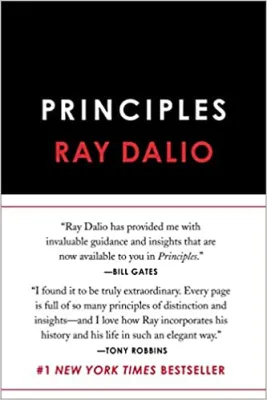
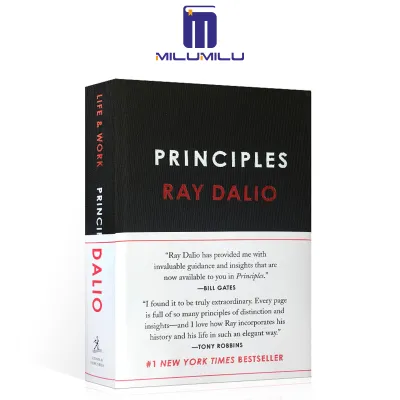
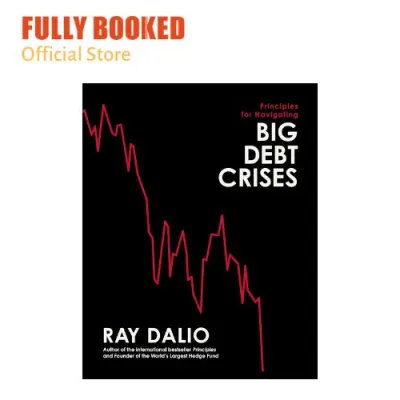
If you decide that Principles is the right fit for your current goals, you must be careful to select the correct edition. Ray Dalio has published several books under the “Principles” brand, including Principles: Life and Work, Principles for Dealing with the Changing World Order, and Principles for Navigating Big Debt Crises. For personal and career development, you want to ensure you purchase Principles: Life and Work, as the other titles focus on macroeconomics, history, and global financial systems.
You should also consider the format that best fits your lifestyle and environment. Physical books are excellent for active reading and highlighting, but the high humidity in tropical climates means you must store them carefully in well-ventilated areas to prevent mold and yellowing pages. If you have a long daily commute on public transit, an e-book or an audiobook might be a more practical choice, allowing you to consume the content easily on your smartphone or e-reader.
When purchasing, always verify that you are buying from authorized bookstores or official online retailers. The market is flooded with low-quality, unauthorized reprints that often contain missing pages, poor formatting, and illegible text. Investing in a genuine, complete edition ensures you get the full value of the author’s work without the frustration of reading a poorly produced copy.
Frequently Asked Questions (FAQ)
Which 'Principles' book by Ray Dalio should I read first?
You should start with Principles: Life and Work. This is the foundational book that outlines his personal philosophy and the decision-making frameworks he used to build his career and business. His other books, such as Principles for Dealing with the Changing World Order or Principles for Navigating Big Debt Crises, are highly technical texts focused on global macroeconomics and historical financial cycles. While valuable, they are much more complex and less applicable to daily personal development than Life and Work.
Is 'Principles' available in Tagalog or localized editions?
Currently, Principles: Life and Work is primarily available in its original English edition in major local bookstores and authorized online marketplaces. There is no widely distributed, official Tagalog translation of the book. Because the English edition uses clear, structured language and bullet points, it remains highly accessible to young professionals and students who are comfortable reading business and self-improvement literature in English.

Community discussion
Share your experience or ask a question. Comments are reviewed before publication.