
Ray Dalio’s Principles: Life and Work is not a traditional personal finance guide. If you are looking for a step-by-step manual on how to budget your monthly salary, build an emergency fund, or pick specific stocks in the local market, this book will not provide those practical steps. However, if you want to build a robust mental framework for decision-making, manage risk systematically, and understand the psychology of long-term wealth creation, it can be an invaluable addition to your reading list.
For young professionals in the Philippines navigating a fast-paced economy, rising living costs, and the pressure to achieve financial independence, choosing the right educational resources is crucial. Spending your hard-earned pesos on a thick, dense volume requires knowing whether the content aligns with your immediate financial needs or if you should start with a more practical, localized guide. Understanding what this book offers will help you make an informed decision before visiting a local bookstore or browsing online marketplaces.
What 'Principles' Actually Covers (And What It Doesn't)
To align your expectations and prevent a mismatched purchase, it is important to understand that Principles is divided into autobiographical history and systematic philosophy. The author, who founded one of the world’s largest hedge funds, shares the rules he developed over decades of managing investments and leading a global firm. The core themes center on life and work principles, radical truth, radical transparency, and creating a systematic decision-making framework that operates like a machine.
Products mentioned in this guide
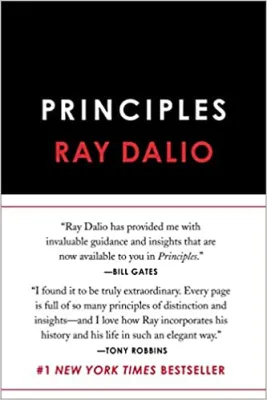
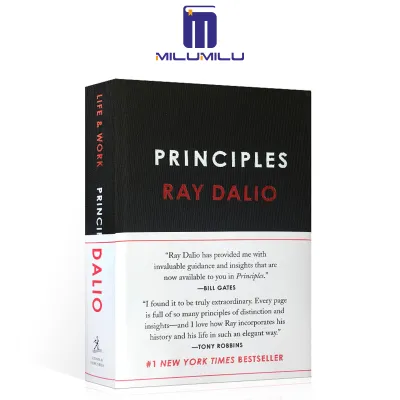

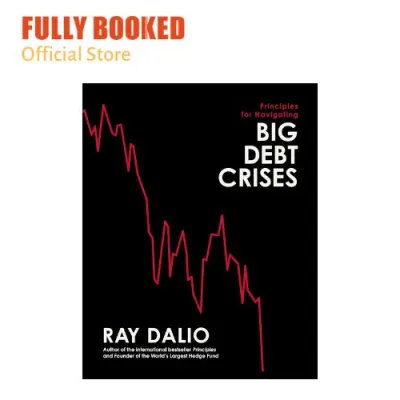
Prices are valid at publication and may change. Please refer to the product page for the latest price.
What you will not find in these pages are the basic mechanics of personal finance. There are no chapters dedicated to debt-reduction strategies, high-yield savings accounts, or localized investment vehicles like Pag-IBIG MP2 or Philippine stock index funds. The book is entirely brand-agnostic and country-agnostic, focusing instead on high-level cognitive habits and organizational management.
The density of the text is another critical factor to consider. The second half of the book reads much like a corporate operating manual, filled with structured rules and management-style case studies. This style requires a high level of concentration and active reflection, making it very different from a light, conversational personal finance book. You must be prepared to do the heavy lifting of translating these corporate management lessons into personal financial habits.
Self-Check: Does This Book Match Your Current Financial Stage?
Deciding whether to buy this book depends heavily on your current financial literacy level and immediate goals. If you already have a stable income, have cleared your high-interest consumer debts, and are looking to transition from basic saving to long-term wealth-building psychology, Principles is an excellent fit. It teaches you how to look at your finances objectively, analyze your mistakes systematically, and build a personal operating system for your career and investments.

Conversely, you should probably skip this book for now if you are dealing with immediate financial stress. If you need to draft a basic monthly budget, find ways to cut down daily expenses, or resolve urgent credit card debt, abstract mental models will not help you today. At this stage, your time and money are better spent on practical workbooks that offer immediate, actionable templates for managing a salary of ₱20,000 or ₱30,000.
Your reading preferences also play a major role in this decision. If you enjoy reading autobiographies of successful global figures and do not mind wading through dense, philosophical paragraphs during your daily commute or weekend downtime, you will find the book engaging. If you prefer quick, highly visual, or interactive guides with immediate exercises, the academic tone of this volume might leave you feeling unmotivated.
Alternative Reading Paths for Specific Financial Goals
If you realize that Principles is not the right immediate fit for your financial journey, there are alternative paths you can take. For basic money management, look for beginner-friendly personal finance books written specifically for young professionals. Seek out authors who address the unique economic realities of living and working in a developing economy, where family financial obligations and inflation are common challenges.
If your goal is to understand investing fundamentals, look for introductory guides that explain market mechanics, risk tolerance, and asset allocation. A good introductory investing book should explain the differences between stocks, bonds, mutual funds, and real estate without overwhelming you with complex mathematical formulas or institutional jargon. This foundational knowledge is necessary before you can appreciate the macro-level strategies discussed by institutional investors.
Once you have mastered personal finance and basic investing, you can transition to broader economic principles. Understanding how inflation, interest rates, and global market cycles affect your local purchasing power will help you make better long-term decisions. This step-by-step progression ensures you build a solid foundation before tackling advanced financial philosophies.
How to Apply 'Principles' to Your Personal Finances
If you decide to purchase the book, you can extract significant financial value by translating its core concepts into personal habits. For example, the author’s emphasis on “radical truth” can be applied to a brutal, honest audit of your current financial situation. This means looking at your bank statements, outstanding debts, and subscription costs without denial, allowing you to identify exactly where your money is going.
To bridge the gap between high-level theory and daily execution, pair this book with a practical, numbers-driven personal finance workbook or budgeting app. Use the decision-making frameworks in Principles to set your long-term financial goals, while using the workbook to track your daily expenses and savings targets in pesos. This combination ensures you have both the mindset and the tools required for success.
Finally, set realistic expectations for your reading pace and application timeline. Do not expect to transform your financial life in a single weekend. Read the book slowly, perhaps focusing on one principle each week, and think about how you can apply it to your daily spending, career choices, or investment decisions. Consistent, gradual application of these mental models is far more effective than trying to overhaul your entire financial life all at once.
Frequently Asked Questions (FAQ)
Is there a shorter or more focused version of this book?
Yes, there are alternative formats available depending on your learning style and available time. The author has published Principles for Success, which is an illustrated, highly condensed version of the core concepts designed for quicker consumption. There are also official audiobook editions and digital summaries. Before purchasing, verify the edition, language, and file format to ensure compatibility with your e-reader or audio device, and always buy from authorized sellers to ensure you receive the complete text.
Has Ray Dalio written other books specifically about money and economics?
Yes, the author has written several books that focus more directly on macroeconomics and financial systems. These include Principles for Navigating Big Debt Crises and Principles for Dealing with the Changing World Order. However, these works are highly academic and focus on global economic cycles, currency shifts, and history rather than personal finance. They are best suited for advanced readers who already have a strong grasp of economics and want to understand global market trends.

Community discussion
Share your experience or ask a question. Comments are reviewed before publication.