
Determining whether I Will Teach You to Be Rich by Ramit Sethi is the right personal finance book for your journey depends on your current financial stage and your willingness to adapt its systems. While the book offers powerful, highly actionable frameworks for automating your money and spending consciously, its specific financial tool recommendations are built entirely for the United States market. This guide helps you diagnose whether its core principles align with your goals and how to bridge the gap between its strategies and the Philippine financial landscape.
For a young professional just starting out, the book’s psychological approach to wealth is incredibly valuable. It shifts the focus away from constant deprivation and toward building systems that support your personal definition of a rich life. However, because you cannot directly open the US bank accounts or invest in the exact funds mentioned in the text, you must read this book as a conceptual blueprint rather than a literal step-by-step manual.
Assessing the Core Mindset Against Your Current Reality
Ramit Sethi’s core philosophy revolves around “conscious spending”—cutting costs mercilessly on things you do not care about so you can spend extravagantly on the things you love. For a young professional in the Philippines navigating a first job or managing early career income, this mindset offers a refreshing alternative to traditional, restrictive budgeting. Instead of feeling guilty about buying a daily iced coffee or dining out with friends, you learn to design a conscious spending plan that prioritizes your actual lifestyle goals.
Products mentioned in this guide
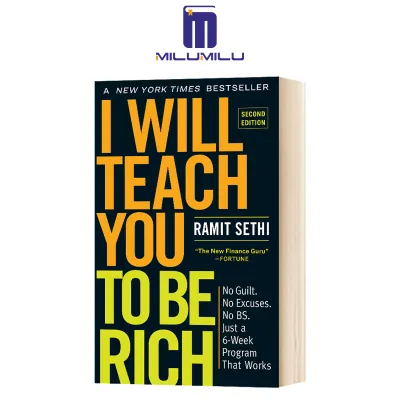

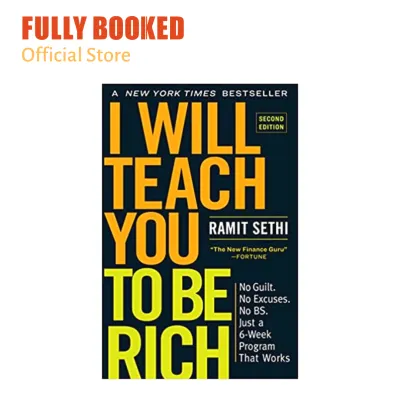
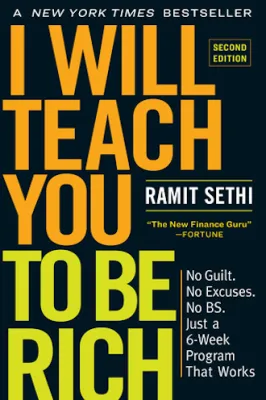
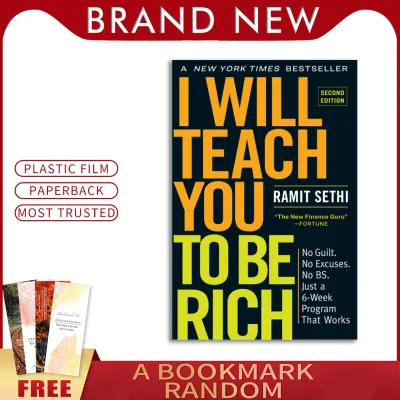
Prices are valid at publication and may change. Please refer to the product page for the latest price.
However, this framework assumes you have a stable baseline income that covers your basic living expenses. If you are currently struggling to meet your essential needs or are dealing with high-interest debt, the book’s aggressive savings and investment targets may feel out of reach. You will need to stabilize your cash flow and establish a basic emergency fund before fully implementing his percentage-based allocations.
Additionally, the book’s individualistic approach to wealth building can clash with traditional local family dynamics. In many Filipino households, contributing to family expenses, helping with bills, or supporting siblings is a common expectation. Adapting the book’s principles requires balancing your personal wealth goals with these shared financial responsibilities, a nuance the text does not explicitly address. You must define your “rich life” in a way that respects your cultural realities without completely sacrificing your long-term financial independence.
Adapting the Automation System to Local Banks
A cornerstone of the book’s strategy is building an automated money system that routes your salary from your checking account to your savings, bills, and investments without your daily intervention. In the United States, seamless bank-to-bank transfers make this highly efficient. In the local banking landscape, achieving this level of automation requires a bit more effort and careful planning.

To start, you must evaluate your primary payroll bank and preferred e-wallets. While many local banks offer scheduled transfer features, they often charge transaction fees for sending money to other institutions, or they may limit recurring transfers to accounts within the same bank. You will need to check your bank’s specific mobile app features to see if you can set up free, automated transfers to your high-yield savings accounts or digital banks.
Furthermore, auto-debit arrangements for utility bills, insurance premiums, and credit card payments are not universally supported by all local service providers. Some utility companies require manual payments through e-wallets or physical payment centers. You may experience friction when trying to link your credit card or bank account for automatic monthly deductions.
If your local financial institutions do not support seamless, multi-step automated routing, you can design a semi-automated workaround. Set up calendar reminders synchronized with your paydays to manually execute transfers via online banking. While not fully hands-off, this structured routine still reduces decision fatigue and ensures your savings and bills are prioritized first.
Evaluating the Investment Strategy for the Philippine Market
Sethi strongly advocates for long-term, low-cost investing, specifically pointing readers toward US index funds and target-date funds. For a reader in the Philippines, you cannot simply open the US-based accounts mentioned in the book. Instead, you must translate this philosophy into locally accessible investment vehicles.
To replicate this low-cost index strategy, you can look into local alternatives such as Unit Investment Trust Funds (UITFs) or mutual funds that track the Philippine Stock Exchange Index (PSEi). Alternatively, local online brokerage accounts allow you to buy shares of exchange-traded funds (ETFs) directly. Some local digital banks and investment platforms also offer access to global markets, allowing you to invest in US index funds indirectly, though you must carefully verify the management fees and currency conversion costs.
Opening a local online brokerage account is generally accessible, often requiring digital submission of government-issued identification and a minimum initial deposit that varies by platform. Before committing, verify the platform’s fee structure, transaction costs, and ease of cash-in and cash-out options.
It is also important to note that the book heavily references US-specific tax-advantaged retirement accounts like the 401(k) and Roth IRA. These do not exist locally. To build a tax-efficient retirement plan, you will need to independently research local structures, such as the Personal Equity and Retirement Account (PERA), or coordinate with your employer regarding voluntary provident fund contributions.
Managing Debt and Credit in the Local Context
The book views credit cards as powerful financial tools rather than dangerous traps, provided you pay your balance in full every month. This advice holds true locally, but you must navigate a different credit landscape. Local credit cards often come with high annual fees, though many banks offer promotional waivers or allow you to request a fee waiver if you meet annual spending thresholds.
Sethi provides specific scripts for negotiating lower interest rates or waiving fees with credit card companies. While local customer service representatives may have less flexibility to negotiate interest rates compared to their US counterparts, they do frequently waive annual fees or offer structured installment plans for large purchases. It is always worth calling your bank to ask, but manage your expectations regarding interest rate negotiations.
If you are managing debt from local banks or digital lending apps, the book’s aggressive payoff strategies are highly valuable. However, the negotiation scripts for settling debt may not translate directly to local collection agencies or digital lenders, who often operate under different regulatory frameworks. Always document any debt restructuring agreements in writing before making payments.
Additionally, the book places a heavy emphasis on building a high FICO credit score. In the Philippines, while credit bureaus exist, the credit scoring system is not as universally integrated into daily life or as transparently accessible to consumers. Instead of obsessing over a specific score, focus on the fundamental habits that build good credit: paying your bills on time, keeping your credit utilization low, and maintaining long-term relationships with established banks.
Final Verdict: Is This the Right Starting Point for You?
I Will Teach You to Be Rich is an exceptionally strong starting point if your primary financial pain points are psychological barriers to spending, a lack of financial organization, or confusion about how to start saving. Its chapters on conscious spending and automation are universally applicable and can transform how you view your salary.
If you decide to read it, the most practical approach is to treat the first half of the book—focusing on credit, conscious spending, and automation—as a cover-to-cover guide to reshape your mindset. However, treat the chapters on specific investment accounts and tax strategies strictly as conceptual frameworks. Do not try to copy the exact US account names; instead, use those chapters as a blueprint for what to look for in local financial products.
If you are currently dealing with complex local tax situations, navigating government-mandated benefits like SSS, Pag-IBIG, and PhilHealth, or seeking immediate step-by-step instructions on local investment platforms, a locally authored personal finance book or official regulatory guide will be a more urgent first read. Use local resources to build your foundational knowledge of the domestic market, then apply Sethi’s automation and psychological frameworks to supercharge your system.
Frequently Asked Questions (FAQ)
Does the book cover Philippine-specific taxes and retirement accounts?
No, the book focuses exclusively on the United States tax code, federal regulations, and retirement structures like the 401(k) and Roth IRA. It does not cover local taxes or government-mandated benefits. For your personal financial planning, you should consult official resources from the Social Security System (SSS), Pag-IBIG Fund, and PhilHealth to understand how these contributions fit into your monthly budget and long-term safety net.
Is the 10th-anniversary edition better for international readers?
Yes, the 10th-anniversary edition is generally more beneficial because it includes updated insights on financial psychology, relationship dynamics with money, and the role of modern digital banking. However, the core investment recommendations, specific ticker symbols, and account types remain heavily US-centric across all editions. Before purchasing any copy from a local bookstore or online marketplace, verify the specific edition, language, medium or file format (such as paperback, e-book, or audiobook), regional restrictions, and device compatibility to ensure you receive the complete, authorized content. Never infer edition contents from a title or cover.

Community discussion
Share your experience or ask a question. Comments are reviewed before publication.