
Deciding whether a 5-octave (61-key) keyboard is sufficient depends entirely on your musical ambitions, preferred genres, and space constraints. For beginners, casual hobbyists, and electronic music producers, a 61-key instrument like the Roland GO:KEYS offers an ideal balance of functionality and portability. However, if your goal is to master classical piano literature or perform complex, two-handed arrangements that span the entire register, you will quickly find yourself limited by the physical boundaries of a five-octave layout.
Before investing your hard-earned ₱ in a new instrument, it is essential to understand what you are giving up—and what you are gaining—by choosing a more compact keyboard. While a full-size piano boasts 88 keys, a 61-key model represents a strategic compromise designed for modern playing styles and mobile lifestyles. By evaluating your specific musical goals, you can determine if this layout will support your growth or if you will outgrow it within your first year of practice.
What 5 Octaves (61 Keys) Actually Means for Your Playing
To visualize a 5-octave keyboard, it helps to compare it directly to a standard 88-key acoustic piano. A 61-key layout typically spans from C2 in the bass register to C7 in the treble register, with Middle C (C4) positioned comfortably in the center. This configuration removes the lowest octave and a half of bass notes and the highest octave of treble notes found on a full-size instrument. For most players, this means you still have access to five complete octaves, which is more than enough to play standard scales, chords, and melodies.
Products mentioned in this guide
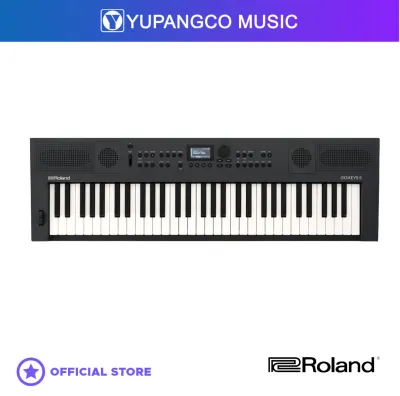
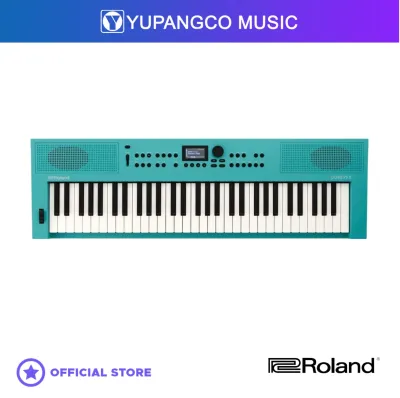
Prices are valid at publication and may change. Please refer to the product page for the latest price.
For contemporary music genres, this range is rarely a limitation. Most pop, rock, and electronic songs are written to fit within standard vocal ranges, meaning the keyboard parts naturally cluster around the middle octaves. Whether you are playing basic chord accompaniments, synth leads, or basslines, a 61-key instrument provides all the notes you need to perform these pieces accurately without feeling restricted.
Beyond the musical range, the physical footprint of a 5-octave keyboard is one of its greatest advantages. In urban living spaces, such as compact condominiums or shared apartments in Manila, finding room for a bulky 88-key digital piano can be a challenge. A 61-key keyboard is significantly lighter and more compact, making it easy to set up on a small desk, store in a closet when not in use, or transport to rehearsals and gigs. This portability is especially valuable for active musicians who need to commute or travel with their instrument.
Self-Diagnosis: Is 61 Keys Enough for Your Musical Goals?
Pop, Rock, and Electronic Music
If your primary musical interest lies in modern genres, a 61-key keyboard is highly likely to satisfy your needs. Pop and rock keyboardists frequently use their instruments to play chord progressions, rhythmic pads, and lead synth lines, all of which sit comfortably within a 5-octave range. Because these genres rarely require deep, classical-style bass runs or extremely high treble flourishes, you will seldom find yourself reaching for keys that are not there. Furthermore, instruments like the Roland GO:KEYS are specifically engineered with built-in synthesizer sounds and loop-mixing features that are optimized for these contemporary styles.

Beginner to Intermediate Learning
For those who are just starting to learn the keyboard, a 61-key layout offers an excellent entry point. It provides more than enough physical space to learn fundamental music theory concepts, practice major and minor scales, and master basic two-handed coordination. Most beginner method books and online tutorials are designed with 61-key instruments in mind, ensuring that you will not run into compatibility issues during your initial stages of learning. It is a practical, cost-effective way to test your interest in the instrument before committing to a larger, more expensive setup.
Classical and Advanced Piano Repertoire
If your ultimate goal is to play classical piano music, a 5-octave keyboard will eventually become a major bottleneck. Classical composers like Chopin, Beethoven, and Mozart wrote pieces that utilize the expansive range of a full 88-key piano. As you progress to intermediate and advanced classical repertoire, you will frequently encounter pieces that require deep bass octaves or rapid runs into the highest treble registers. Attempting to play these pieces on a 61-key keyboard will result in running out of physical keys, forcing you to alter the music or transpose sections, which disrupts the integrity of the piece.
Music Production and MIDI Control
For home studio producers, a 61-key keyboard is often considered the “sweet spot” for music production. It is large enough to allow for two-handed playing and chord voicing, yet compact enough to sit comfortably on a studio desk alongside a computer, audio interface, and studio monitors. When connected to a digital audio workstation (DAW) via USB, a 61-key keyboard serves as a highly efficient MIDI controller. It allows you to quickly input drum patterns, record basslines, and arrange virtual instruments without taking up the massive physical space required by an 88-key controller.
Key Action and Feel: Looking Beyond the Key Count
When evaluating a keyboard, the number of keys is only half of the equation; the physical feel and response of those keys are equally critical to your playing experience. Most portable 61-key keyboards, including many models in the Roland GO series, feature “synth-action” or unweighted keys. These keys use light plastic construction and springs to return to their original position, offering very little physical resistance. While this design makes the keyboard incredibly lightweight and easy to play, it feels vastly different from the heavy, mechanical action of an acoustic piano.
Playing on unweighted keys can affect your technical development if your long-term goal is to play acoustic pianos. Acoustic pianos use a complex system of wooden hammers and felt, requiring a certain amount of finger strength and control to produce a dynamic range of sounds. If you practice exclusively on unweighted keys, you may find it difficult to control your dynamics and expression when transitioning to a fully weighted instrument. Additionally, the tropical humidity of the Philippines can sometimes affect the longevity of complex mechanical keybeds; unweighted plastic keys, however, tend to be highly resilient and low-maintenance in humid environments.
Before making a purchase, it is vital to verify the exact keybed specifications of the model you are considering. Some portable keyboards offer semi-weighted keys, which provide a slight compromise between portability and resistance, while others are strictly synth-action. Always consult the manufacturer’s official specifications or visit an authorized local music store to test the key action in person, ensuring that the tactile feedback matches your personal preferences and learning objectives.
When to Upgrade: Signs You Have Outgrown 5 Octaves
As your skills progress, you may eventually reach a point where your 61-key keyboard no longer supports your musical growth. The most obvious sign that you have outgrown your instrument is when you frequently run out of physical keys during practice. If you are learning a new piece and find that the sheet music requires you to play notes that lie beyond the physical boundaries of your keyboard, it is a clear indication that your repertoire has surpassed a 5-octave range.
Another common sign is a heavy reliance on the octave shift button. While most digital keyboards include a function that allows you to shift the entire pitch of the keyboard up or down by an octave, relying on this feature during a live performance or a complex piece is highly impractical. If you find yourself constantly pressing buttons mid-song to access the notes you need, your playing flow will suffer, and it is time to consider upgrading to a 76-key or 88-key instrument.
Finally, you may outgrow your keyboard if you begin to crave a more authentic piano playing experience. If you find that the light, unweighted keys prevent you from expressing subtle dynamics, or if you want to practice advanced pedaling techniques that require a progressive damper pedal, you will need to transition to a dedicated digital piano. Recognizing these signs early will help you plan your next instrument investment wisely, ensuring that your gear always matches your evolving musical capabilities.
Frequently Asked Questions (FAQ)
Can I play classical piano pieces on a 61-key keyboard?
You can play many early beginner classical pieces on a 61-key keyboard, as these simplified arrangements typically stay within the middle registers. However, as you progress to intermediate and advanced classical literature, you will frequently encounter pieces that require the extended bass and treble ranges of a full 88-key piano, making a 61-key instrument insufficient for serious classical study.
Does the Roland GO:KEYS have weighted keys?
The Roland GO:KEYS series is designed primarily for portability and modern music creation, meaning it typically features unweighted, synth-action keys rather than fully weighted hammer-action keys. To confirm the exact keybed specifications and features of a specific model, always check the manufacturer’s official product label or consult an authorized dealer before purchasing.

Community discussion
Share your experience or ask a question. Comments are reviewed before publication.