
Quick Answer: Core Contents of a Cassette Tape Album
A standard K-Pop or P-Pop cassette tape album typically contains the physical cassette tape, a protective plastic J-card case, and a printed paper insert with lyrics and credits. Unlike standard CD releases, collectible extras like photocards, mini photobooks, stickers, and posters are not guaranteed for every release. These highly sought-after collectibles vary strictly by the specific edition, the artist, and the production batch. Buyers should always check the official packaging specifications before purchasing to confirm exactly which physical items are included in their chosen edition.
Breakdown of Typical Inclusions and Collectibles
The physical tape and its immediate packaging form the core of the cassette album experience. Most modern releases feature a transparent or colored plastic shell, often customized to match the album’s visual concept. Inside the plastic case, you will find the J-card, which is the printed paper inlay that wraps around the cassette. This J-card typically displays the album cover on the spine and front, while the inner folds contain tracklists, credits, and sometimes exclusive artwork. Some premium editions might replace the standard plastic case with a custom cardboard slipcase or a miniature box set to elevate the presentation.

Printed materials in a cassette release are scaled down to fit the compact dimensions of the format. Instead of the thick, heavy photobooks found in standard CD packages, cassette albums usually feature a mini photobook or a folded lyric booklet. The paper quality and page count are naturally limited by the small physical footprint of the cassette case. Some releases include a folded mini poster that fits snugly inside the outer sleeve, offering a compact alternative to the large posters bundled with larger album formats.
Products mentioned in this guide
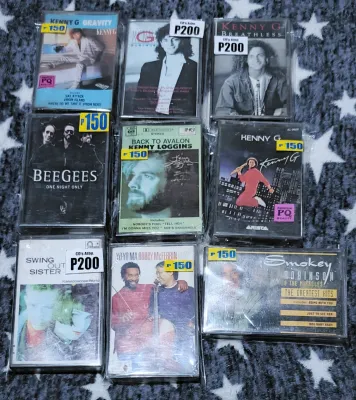

Prices are valid at publication and may change. Please refer to the product page for the latest price.
Randomized collectibles remain a major draw for collectors of Korean and Philippine pop music. Many cassette editions do include official photocards, though they are often smaller or formatted differently than standard CD photocards. You might also find collectible stickers, postcards, or character cards tucked inside the packaging. Because these items are randomized during production, the exact quantity and the specific group members featured in your package will depend entirely on the luck of the draw.
Digital equivalents are sometimes provided to bridge the gap between retro physical media and modern listening habits. Depending on the record label and the target region, some cassette albums include a digital download code printed on a card or a QR code that grants access to high-quality digital audio files. However, this inclusion is highly variable, and many releases do not offer any digital copy, requiring buyers to have physical playback equipment or a separate streaming subscription to listen to the music.
Is a Cassette Tape Album Worth It? Comparing Formats
The aesthetic and display value of a cassette tape is one of its strongest selling points. For collectors in the Philippines, the retro appeal of a physical tape offers a unique nostalgia that digital streaming simply cannot replicate. Cassettes occupy a much smaller shelf footprint than bulky CD box sets or vinyl records, making them ideal for compact display setups. The exclusive cover art and colorful tape shells are designed specifically to look appealing on a shelf, serving as a distinct piece of memorabilia even if the tape is never played.
Audio playback limitations are a crucial consideration before making a purchase. Playing a physical cassette tape requires a functioning cassette player, which introduces additional equipment costs and maintenance requirements. Unlike digital files or CDs, magnetic tape is susceptible to wear, stretching, and environmental damage. In tropical climates with high humidity, storing cassette tapes requires extra care to prevent mold growth on the magnetic ribbon and warping of the paper J-card, which can permanently ruin both the sound and the collectible value.
Collectibility and scarcity often set cassette albums apart from mass-produced CDs. Record labels frequently produce cassettes in limited quantities, making them highly sought-after items for dedicated fans. This limited availability enhances their appeal as a special edition collectible rather than a primary way to consume music. When deciding whether to buy, it is best to view the cassette as a physical keepsake and a display piece, focusing on your personal collection goals rather than expecting the convenience or pristine audio quality of modern digital formats.
How to Verify Contents and Authenticity Before Buying
Checking official specifications is the first step to ensuring you get exactly what you expect. Before placing an order on any online marketplace or specialty music store, cross-reference the product listing with the official label announcement or the artist’s official social media channels. These official sources typically publish a detailed graphic detailing the exact contents, including the number of photocards, the presence of a download code, and any region-specific inclusions. This prevents disappointment, as some international editions may omit certain collectibles found in domestic releases.
Inspecting seals and packaging is vital for verifying authenticity and ensuring no items have been removed. Authentic, unopened cassette albums are typically wrapped in tight factory shrink-wrap and often feature official holographic stickers, distribution labels, or specific manufacturing markings. If you are purchasing from a third-party seller or a local reseller in the Philippines, ask for clear photos of these seals. Be cautious of listings where the shrink-wrap has been opened, as randomized items like photocards may have been swapped out or removed entirely.
Understanding “random” item policies will help manage expectations when ordering from online retailers. Most e-commerce platforms and official music stores ship randomized albums and inclusions blindly, meaning they cannot guarantee which member’s photocard or which specific tape color variant you will receive. While some fan-run shops offer sorting services where they open the albums to match your preferences, buying a factory-sealed unit means accepting the random distribution set by the manufacturer.
Frequently Asked Questions (FAQ)
Do cassette tape albums sound different from digital or CD versions?
Yes, cassette tape albums have a distinct analog sound profile that differs significantly from the clean, precise audio of CDs or digital streams. Cassettes utilize magnetic tape, which naturally introduces a warm sound signature along with a subtle background hiss, especially during quiet passages. The actual audio quality you experience is highly dependent on the manufacturing quality of the tape itself and the condition of your playback equipment. A well-maintained, high-quality cassette deck will deliver a much richer sound than a cheap, portable player, but it will still retain the characteristic analog warmth of the format.
Can I play a K-Pop or P-Pop cassette tape on any standard player?
Generally, K-Pop and P-Pop cassette tapes follow standard universal physical dimensions, meaning they can be played on any standard cassette deck, boombox, or portable tape player. However, before inserting your collectible tape, it is essential to ensure that the player’s tape heads, pinch rollers, and capstans are clean and properly aligned. Dust, dirt, or magnetized heads can degrade the audio quality or, in worst-case scenarios, physically chew and destroy the fragile magnetic tape. If you are using a vintage player, performing basic maintenance first is highly recommended to protect your investment.

Community discussion
Share your experience or ask a question. Comments are reviewed before publication.