
Buying your child’s first musical instrument is an exciting milestone, but the rise of counterfeit keyboards and digital pianos online makes vigilance essential. Ensuring your child practices on a genuine Yamaha instrument guarantees they receive the correct tactile feedback, accurate pitch, and safe electrical components necessary for their musical development. To verify authenticity, you must look beyond the surface, examining authorized dealer credentials, physical build details, serial numbers, and official documentation.
Why Authenticity Matters for a Child's Instrument
A child’s early musical journey relies heavily on sensory feedback. When a young learner presses a key, their brain maps the relationship between the physical force applied and the resulting sound. Counterfeit instruments often use cheap, non-weighted, or poorly calibrated key mechanisms that fail to mimic the resistance of a real piano. This lack of touch sensitivity can cause children to develop poor hand posture and incorrect finger strength, habits that are incredibly difficult to correct later.
Sound quality is equally critical for developing a child’s ear. Genuine instruments use high-resolution audio samples of acoustic grand pianos, helping students develop a strong sense of pitch and tone. Counterfeits, by contrast, frequently rely on low-quality synthesizer chips that produce flat, tinny, or slightly out-of-tune sounds. Practicing on an out-of-tune or harsh-sounding keyboard can discourage a child, leading them to lose interest in music altogether.
Products mentioned in this guide
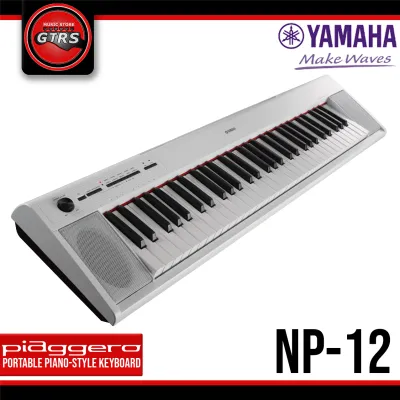
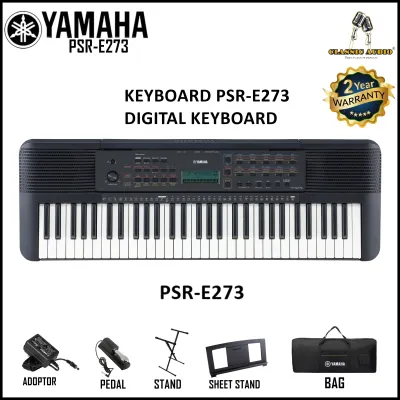
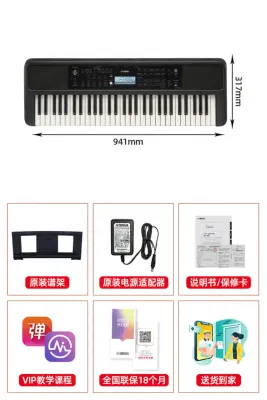
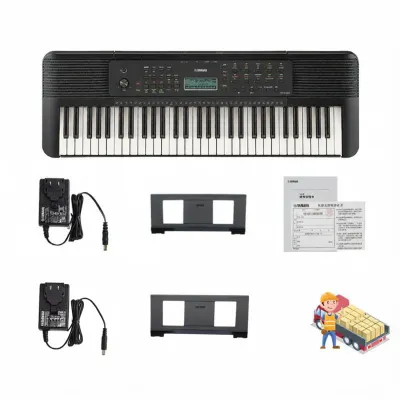
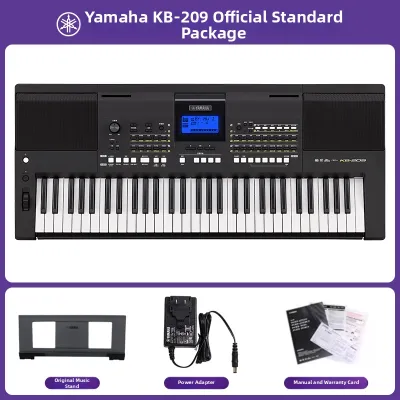
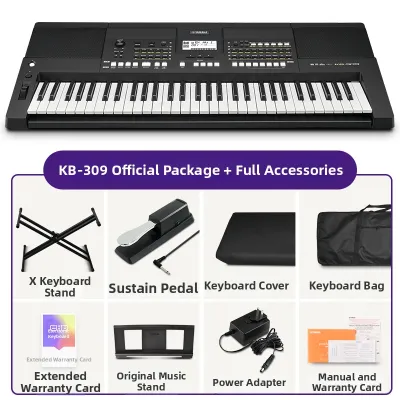
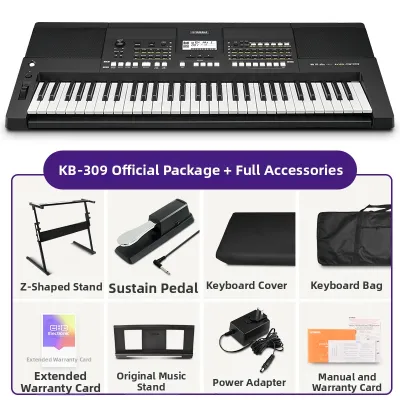
Prices are valid at publication and may change. Please refer to the product page for the latest price.
Beyond educational concerns, safety is a paramount issue with replica electronics. Genuine manufacturers must adhere to strict safety standards, using certified electrical components and flame-retardant materials. Counterfeit keyboards often bypass these regulations, utilizing unverified power adapters, thin wiring, and cheap plastics. In tropical climates like the Philippines, high humidity and heat can exacerbate these vulnerabilities, increasing the risk of short circuits, overheating, or even electrical hazards in your home.
Finally, purchasing a counterfeit deprives you of any customer support or warranty protection. Musical instruments are long-term investments that may occasionally require calibration, part replacements, or technical troubleshooting. An unauthorized replica will not be serviced by official service centers, leaving you with a useless piece of plastic if a key stops working or the mainboard fails.
Choosing Authorized Channels for Genuine Yamaha Products
The most reliable way to ensure you are purchasing a genuine instrument is to buy directly from authorized dealers and established music stores. In the Philippines, official distributors and their licensed retail outlets are authorized to sell genuine Yamaha keyboards and pianos. These physical showrooms allow you and your child to test the instrument in person, feel the key action, and speak with trained staff who can provide official warranty cards.

When shopping on e-commerce platforms or online marketplaces, identifying genuine sellers requires extra caution. Look for official store badges, verified seller statuses, and high positive rating percentages. Avoid shops that use generic names, have very few reviews, or list products across completely unrelated categories. Genuine dealers will clearly state their physical address, provide contact details, and offer official receipts rather than simple delivery slips.
Be highly skeptical of deals that seem too good to be true. While a genuine entry-level keyboard is an investment, counterfeits are often listed at suspiciously low prices in ₱ to lure unsuspecting parents. If a digital piano that normally retails for tens of thousands of pesos is advertised online for a fraction of that price, it is almost certainly a replica or a scam. Genuine instruments maintain a relatively stable market value due to their quality materials and manufacturing standards.
Buying second-hand instruments or purchasing from unauthorized parallel importers carries significant risks. While the initial price tag may be appealing, these items rarely come with verifiable proof of purchase or transferable warranties. Without a clear paper trail, it is incredibly difficult to confirm if the previous owner purchased a genuine model or if the internal components have been swapped with cheap aftermarket parts during a previous repair.
Physical and Visual Inspections Before Purchase
A close physical inspection is one of the most effective ways to spot a counterfeit keyboard before finalizing your purchase. Start by examining the brand logo printed on the instrument’s body. Genuine logos feature precise, clean lettering with consistent spacing and a specific font weight. Replicas often exhibit minor imperfections, such as slightly crooked letters, uneven paint application, or subtle variations in the font shape that differ from official product images.
The overall build quality and materials of the chassis provide immediate clues. Genuine casings are made from high-grade, durable plastics or finished wood composites designed to withstand daily use and environmental changes. Run your hands along the edges and seams of the instrument; they should be smooth, perfectly aligned, and free of sharp plastic burrs or uneven gaps. Counterfeits often feel flimsy, creak when light pressure is applied, and may have a strong, unpleasant chemical odor from cheap adhesives or low-grade plastics.
Next, test the key action and alignment. On a genuine keyboard, the keys should be perfectly level, with uniform spacing between each key. When pressed, they should move smoothly without lateral wobbling or grinding noises. If you are inspecting a digital piano with weighted keys, the resistance should feel natural and consistent across the entire keybed. Replicas often have uneven key heights, keys that stick, or a springy, unnatural resistance that feels more like a toy than a musical instrument.
Do not overlook the power adapter and included accessories. Genuine power supplies are robust, feature clear safety certification markings, and display the official brand logo molded or printed clearly on the housing. Counterfeit packages often include generic, lightweight adapters with thin cables, poorly fitting plugs, and no safety labels. Using an unbranded adapter not only risks damaging the keyboard’s internal circuitry but also poses a serious electrical hazard in your home.
Verifying Serial Numbers and Documentation
Every genuine instrument is assigned a unique serial number that serves as its official identity. On keyboards and digital pianos, this number is typically located on a label on the underside or back of the chassis. This serial number must match the number printed on the product’s original box and the official warranty card. If there is any discrepancy between these three locations, or if the serial number label on the instrument looks peeled, altered, or poorly printed, treat it as a major red flag.
The accompanying documentation is another excellent indicator of authenticity. Genuine instruments come with professionally printed user manuals in clear, grammatically correct language, often packaged in sealed plastic. Counterfeit products frequently include poorly photocopied manuals with blurry text, spelling errors, or low-resolution diagrams. Additionally, ensure the package includes an official warranty certificate from the authorized distributor, complete with terms, conditions, and contact information for local service centers.
To completely remove any doubt, you can verify the serial number directly with official customer support channels. Before completing your purchase, note down the serial number and contact the authorized distributor in the Philippines via their official website or customer service hotline. They can cross-reference the number with their shipment database to confirm if the unit is a genuine product imported through authorized channels. If a seller refuses to let you take a photo of the serial number for verification, walk away from the transaction.
Steps to Take If You Suspect a Counterfeit
If you have already purchased an instrument and suspect it is a counterfeit, prioritize safety first. Immediately unplug the device from the wall outlet and halt its use, especially if you notice unusual heat coming from the adapter, a burning smell, or erratic electrical behavior. Unverified electrical items pose a genuine risk of short-circuiting, which can damage your home’s electrical system or cause personal injury.
Next, gather all possible evidence to support your claim. Take high-resolution photographs of the suspected areas, including the blurry logo, uneven keys, generic power adapter, and any discrepancies on the serial number label. Keep all physical evidence intact, including the original packaging, shipping labels, user manuals, and the sales invoice or receipt. Additionally, take screenshots of the online listing, the seller’s profile, and all chat conversations regarding the product’s authenticity.
Once your evidence is compiled, initiate a formal dispute through the e-commerce platform’s resolution center if you purchased the item online. Most reputable platforms have buyer protection programs that hold funds in escrow until the buyer confirms receipt of a genuine product. If the seller or platform refuses to cooperate, you can escalate the issue by filing a formal complaint with local consumer protection agencies, such as the Department of Trade and Industry (DTI) in the Philippines, to seek mediation and a full refund.
Frequently Asked Questions (FAQ)
Are there specific Yamaha models recommended for beginners?
Yes, there are several beginner-friendly models designed specifically to support a child’s early learning stages. When choosing a model, consider your child’s age, your budget, and the space available in your home. For younger children or those just starting, portable keyboards with touch-sensitive keys are excellent for learning basic melodies. For older children or those taking formal classical lessons, a digital piano with 88 fully weighted keys is recommended to build proper finger strength. Always consult the official product catalog or speak with an authorized dealer to compare current specifications and find the best fit for your child’s needs.
Can I rely on price alone to spot a fake Yamaha keyboard?
No, price alone is not a foolproof indicator of authenticity. While an incredibly low price is a clear warning sign, some sophisticated counterfeiters price their replica instruments only slightly below the retail price of a genuine model. This deceptive pricing strategy is designed to make the deal look like a legitimate discount or promotional sale rather than a fake product. To protect your investment, you must always combine price evaluation with a thorough physical inspection, serial number verification, and, most importantly, purchasing only from authorized retail channels.

Community discussion
Share your experience or ask a question. Comments are reviewed before publication.