
To ensure you are purchasing a genuine Yamaha keyboard in the Philippines, you must perform a systematic verification process that covers physical build quality, keybed action, serial number validation, and system menu checks. While counterfeiters have become increasingly adept at replicating the external aesthetics of popular portable keyboards, they cannot easily duplicate the internal software, authentic sound engines, and precise key weighting of an original instrument. Taking the time to inspect these details before completing your purchase protects your investment and ensures a proper playing experience.
Understanding the Risk of Counterfeit Keyboards
The high demand for portable electronic keyboards and entry-level digital pianos makes these instruments prime targets for replication. Counterfeiters often target popular, budget-friendly models because they sell quickly to beginners, students, and casual players looking for a convenient home instrument. Because these buyers are often new to the instrument, they may not immediately recognize the subtle differences in sound and feel that distinguish a genuine keyboard from an imitation.
Purchasing a counterfeit keyboard carries significant practical risks that go far beyond cosmetic flaws. These imitation instruments typically feature inferior sound engines that produce thin, artificial tones, and they lack the responsive key action necessary for developing proper finger strength and playing technique. Furthermore, fake keyboards do not come with official manufacturer warranty support, leaving you without recourse if the hardware fails shortly after purchase.
Products mentioned in this guide
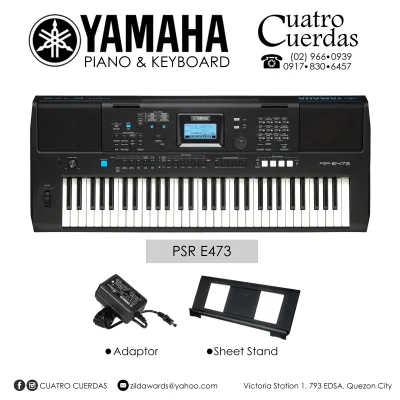
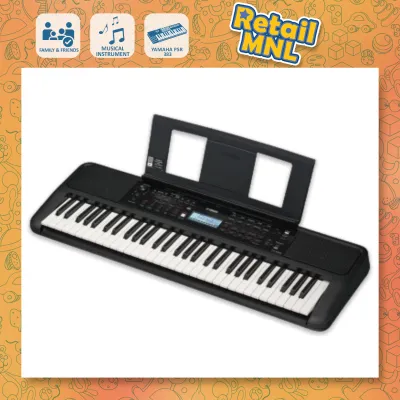
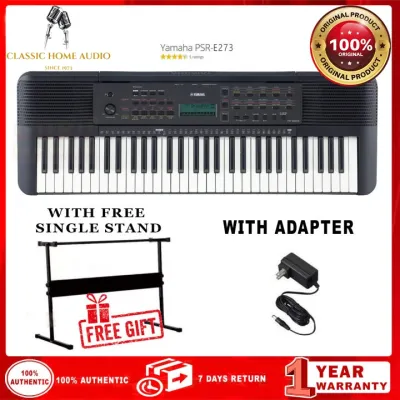
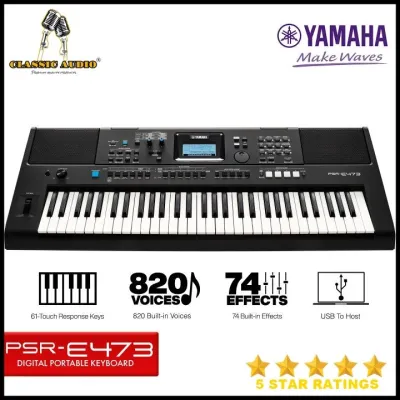
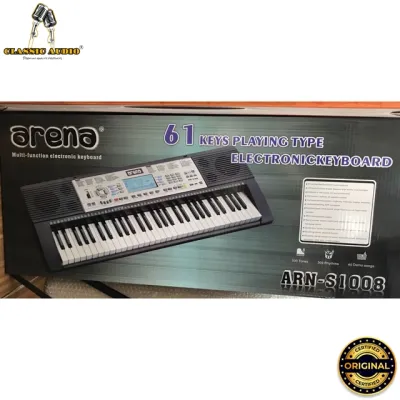
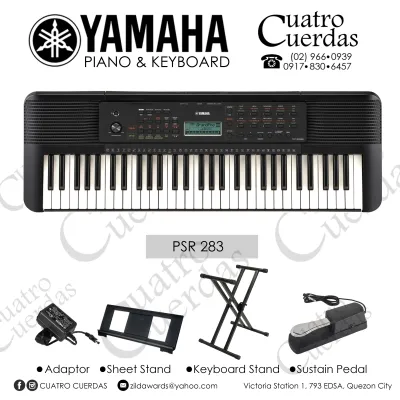
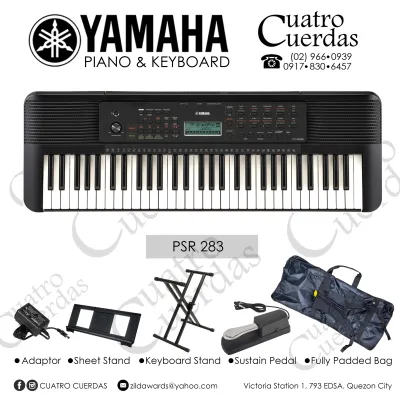
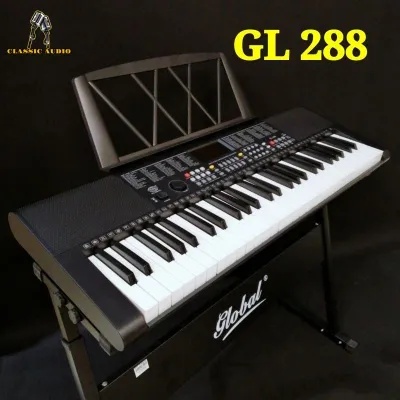
Prices are valid at publication and may change. Please refer to the product page for the latest price.
Modern counterfeit operations can replicate external branding, logos, and chassis shapes with surprising accuracy. This means a simple glance at the logo is no longer enough to guarantee authenticity, requiring buyers to perform deeper physical and digital inspections. Understanding these risks is the first step toward protecting yourself from fraudulent listings, especially when shopping in active secondary markets or unverified online spaces.
Physical and Visual Authenticity Checks
A close physical inspection is one of the most reliable ways to identify a counterfeit instrument. Genuine Yamaha keyboards are manufactured under strict quality control standards, resulting in seamless panel alignments, sturdy plastics, and crisp, perfectly aligned logo prints. If you notice uneven gaps between the plastic casings, rough edges along the seams, or a logo that looks slightly crooked, blurry, or raised, the keyboard is likely a fake.

The keybed itself provides immediate tactile clues that are incredibly difficult for counterfeiters to replicate. Play every key across the keyboard to test the action, feeling for consistent resistance and a smooth, quiet return. Counterfeit models often use cheap spring mechanisms that produce loud clicking noises, feel excessively light or mushy, or allow the keys to wobble from side to side when lightly nudged.
Do not overlook the included accessories and packaging materials. Original packages contain high-quality music rests that fit securely into their designated slots without requiring excessive force. Examine the power adapter for official branding and local safety certification marks, and check the printed user manual for crisp typography, correct spelling, and professional layout quality. Counterfeit packages often include generic, lightweight power adapters and poorly photocopied manuals with noticeable translation errors.
Additionally, examine the overall weight and balance of the instrument. Genuine portable keyboards have a solid, balanced feel due to their internal shielding and structured keybeds. If the keyboard feels unusually light, hollow, or flexes easily when you apply gentle pressure to the chassis, it is a strong indication of substandard materials and counterfeit construction.
Verifying Serial Numbers and System Menus
Every authentic keyboard features a dedicated serial number plate, typically located on the bottom or rear panel of the instrument. Inspect this label closely to ensure it is firmly affixed, free of spelling errors, and shows no signs of tampering, peeling, or manual alteration. The printed model number on this sticker must match the model name printed on the front panel of the keyboard, as well as the model listed on the original packaging box.
Many modern digital keyboards feature an internal system menu or a startup screen that displays the firmware version and model identity. Consult the user guide to learn the specific button combination required to access the utility or function menu on your model. If the internal screen displays a different model name, generic software terms, or fails to load a system menu entirely, the internal components are not genuine.
For models without a digital screen, you can often trigger a diagnostic mode or a specific LED light sequence by holding down certain keys while powering on the instrument. If the keyboard does not respond to these official diagnostic commands as described in the manufacturer’s technical documentation, it is highly likely that the internal circuit board is a generic imitation.
If you remain uncertain after performing these checks, note down the serial number and contact an authorized Yamaha distributor or customer support center in the Philippines. They can cross-reference the serial number in their database to confirm whether it corresponds to a genuine unit manufactured for distribution. This step is particularly useful when buying second-hand instruments where the original purchase receipt is no longer available.
Choosing Safe Purchasing Channels
The most effective way to avoid counterfeit instruments is to buy exclusively from verified sources. Prioritize authorized music dealers, official brand stores on major online marketplaces, and long-standing local music retailers with physical showrooms in the Philippines. These sellers source their inventory directly from official distributors, ensuring product authenticity, reliable customer service, and local warranty coverage.
When browsing third-party listings on online marketplaces, take time to evaluate the seller’s profile and history. Look for established sellers with high positive ratings, detailed customer reviews that specifically confirm product authenticity, and clear, structured return policies. Avoid newly created accounts with no transaction history, those that refuse to provide real-time photos of the actual stock, or sellers who insist on taking the transaction outside the platform’s secure payment system.
Be highly suspicious of prices that seem too good to be true. While seasonal promotions and store sales do occur, saving several thousand ₱ on a brand-new keyboard offered at a fraction of its standard retail price is a major red flag. Genuine instruments maintain a relatively stable market value due to manufacturing and shipping costs, so extreme discounts usually indicate a counterfeit product, a refurbished unit passed off as new, or a fraudulent listing.
If you are purchasing a second-hand keyboard from an individual seller, arrange to meet in a safe, public space with access to an electrical outlet. This allows you to plug in the instrument, test every key, listen to the sound quality, and verify the serial number in person before handing over any payment.
What to Do If You Suspect a Counterfeit
If you suspect you have purchased a counterfeit keyboard, prioritize safety by immediately disconnecting the power adapter. Uncertified power supplies bundled with fake electronics often lack proper voltage regulation and thermal protection, posing a risk of overheating, short circuits, or electrical hazards in tropical climates. Using a generic adapter can also damage the internal circuitry of the keyboard if the voltage output is unstable.
Document your findings thoroughly to build a strong case for a refund. Take clear, high-resolution photos of the physical defects, the serial number plate, the packaging, and any discrepancies in the user manual. If you recorded an unboxing video, preserve the unedited footage, as this serves as vital evidence for dispute resolution on major e-commerce platforms.
Contact the e-commerce platform immediately to file a dispute under their buyer protection program, submitting your documented evidence to request a return and refund. Do not delay this step, as most platforms have strict time limits for filing disputes after delivery. If the seller refuses to cooperate or if the platform’s resolution window has passed, you can escalate the matter by filing a formal complaint with local consumer protection agencies in the Philippines, such as the Department of Trade and Industry.
Frequently Asked Questions (FAQ)
Can I verify a Yamaha keyboard's authenticity using only a photo?
While high-resolution photos can help you spot obvious exterior flaws like misspelled logos or incorrect button layouts, they are not sufficient for a complete verification. Sophisticated counterfeiters can replicate the outer shell of an instrument almost perfectly, making physical testing of the keybed action, sound quality, and internal system menus necessary to confirm authenticity.
Do all original Yamaha keyboards come with a local warranty?
Genuine keyboards purchased from authorized dealers in the Philippines come with an official local warranty. Parallel imports or second-hand units may not be covered by local service centers, but the absence of a warranty alone does not automatically mean the keyboard is counterfeit; it simply means the item was sourced outside the official local distribution network.

Community discussion
Share your experience or ask a question. Comments are reviewed before publication.