
To determine if a Yamaha organ keyboard is original, you must perform a three-step verification process: inspect the physical build quality for manufacturing flaws, verify the unique serial number directly with an authorized distributor, and evaluate the seller’s credentials. Counterfeit musical instruments have become increasingly sophisticated, making a superficial glance insufficient. By systematically checking the hardware, documentation, and retail source, you can protect your investment and ensure you receive a genuine instrument.
Why Authenticity Matters for Yamaha Keyboards
Investing in a keyboard is about acquiring a reliable tool for musical expression and skill development. Genuine Yamaha instruments utilize proprietary sound engines designed to replicate acoustic pianos and orchestral instruments with high fidelity. Counterfeit units almost always use cheap, generic sound chips that produce thin, artificial tones and suffer from severely limited polyphony, causing notes to cut off abruptly when playing complex chords.
The physical interface of the instrument also suffers greatly in counterfeit models. Original keybeds are engineered to provide consistent resistance and tactile feedback, which is crucial for developing proper finger strength and playing technique. Fake keyboards often feature uneven key heights, mushy spring action, or excessively noisy keys that degrade the playing experience and wear out rapidly under normal use.
Products mentioned in this guide
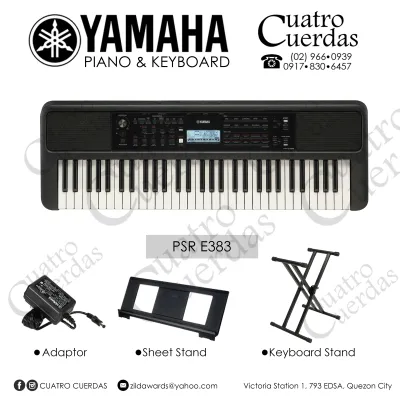
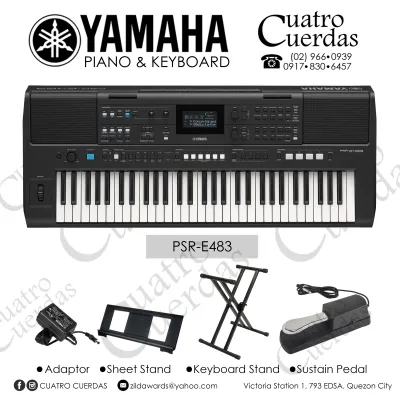
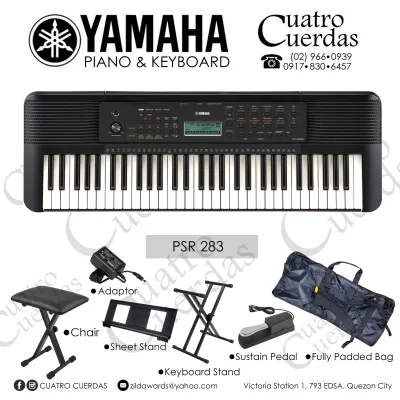
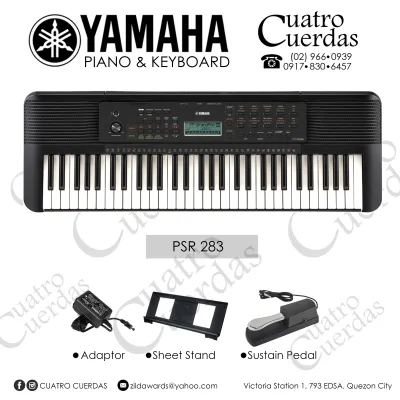
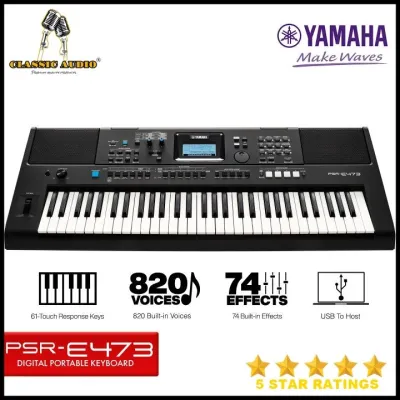
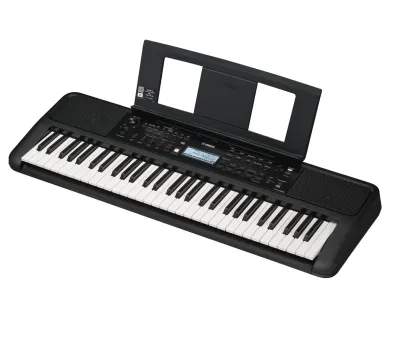
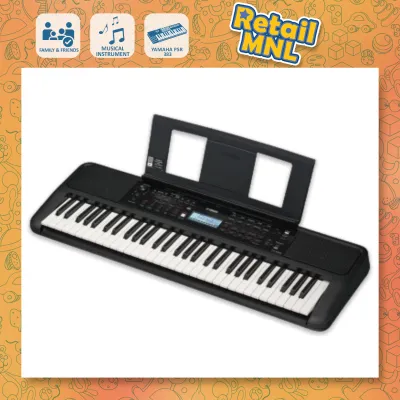
Prices are valid at publication and may change. Please refer to the product page for the latest price.
Furthermore, purchasing a counterfeit instrument strips you of any post-purchase security. Genuine Yamaha keyboards come with official warranty coverage and access to authorized service centers staffed by trained technicians who use genuine replacement parts. If a counterfeit unit malfunctions, local service centers will refuse to repair it, leaving you with an unfixable piece of equipment and no recourse.
Physical and Build Quality Checks
A hands-on inspection is one of the most reliable ways to spot a counterfeit keyboard before any money changes hands. Start by closely examining the branding elements on the chassis. The Yamaha logo features a highly specific font and a distinct tuning fork emblem where the forks point inward and touch the outer ring. On counterfeit units, this logo is often slightly distorted, uses incorrect spacing, or is applied as a cheap, crooked sticker rather than being cleanly printed or molded flush with the casing.

Next, focus your attention on the keybed itself. Run your fingers across the keys to check for uniform spacing and height; genuine manufacturing processes maintain strict tolerances, whereas fakes often exhibit uneven gaps or misaligned keys. Press several keys slowly to feel the resistance. Original keys should depress smoothly with a consistent weight and return to their original position without clicking, wobbling sideways, or making excessive mechanical clatter.
The control panel and interface elements provide further clues about the instrument’s origin. Inspect the LCD screen, control buttons, and slider knobs. Genuine Yamaha keyboards feature crisp, clear displays with well-aligned text and buttons that offer a firm, tactile click when pressed. Counterfeit models frequently use low-grade, dim screens, buttons that feel loose or spongy, and misaligned label printing that may smudge easily under warm, humid conditions. Finally, turn the keyboard over to inspect the connection ports on the back panel; genuine ports are securely mounted and perfectly aligned with the chassis cutouts, while fake units often show exposed glue, rough plastic edges, or loose jacks.
Verifying Serial Numbers and Official Documentation
Every genuine Yamaha keyboard is assigned a unique serial number that serves as its official identity record. This serial number is printed on a dedicated label, typically located on the bottom or back panel of the instrument. On an original unit, this label is professionally printed, firmly adhered, and includes the model name, power requirements, and manufacturing origin. If the label is missing, looks like it was printed on a home inkjet printer, or shows signs of tampering, the keyboard is highly likely to be a counterfeit.
The documentation included in the box is another excellent indicator of authenticity. Original keyboards come packaged with a high-quality user manual printed on durable paper with clear, legible diagrams and correct regional language options. Counterfeit packages often contain poorly translated manuals with numerous typographical errors, low-resolution images, and thin, low-grade paper. Additionally, look for the official warranty card, which should feature clear branding and instructions specific to the local market.
To completely eliminate doubt, you should cross-check the serial number with official records. You can contact the authorized Yamaha distributor in the Philippines or visit an official service center to verify the serial number. The distributor can confirm whether the serial number exists in their database, matches the specific model you are holding, and was officially imported through authorized channels. If the serial number does not exist in the database or corresponds to a completely different keyboard model, the unit is a fake.
Evaluating the Seller and Purchase Channels
Where you buy your instrument is just as important as the physical checks you perform. The safest way to ensure authenticity is to purchase exclusively from authorized Yamaha dealers and established music stores. You can easily verify a dealer’s status by checking the official Yamaha website, which maintains an updated directory of authorized physical showrooms and official online storefronts. Buying from an unverified seller on an open e-commerce platform or social media marketplace significantly increases the risk of encountering counterfeit goods.
When browsing online marketplaces, learn to identify common red flags in product listings. Be skeptical of sellers who rely solely on generic stock photos rather than providing actual, high-resolution photographs of the physical unit they have in stock. Vague product descriptions, a lack of detailed specifications, and the absence of a clear return policy or buyer protection guarantee are strong indicators that the seller is trading in counterfeit merchandise.
Pricing is another critical factor to analyze. While everyone loves a good deal, prices that seem too good to be true almost always indicate a counterfeit product. Compare the asking price against the standard retail range in the Philippines. If a seller is offering a brand-new keyboard at a fraction of the standard ₱ market value, you should treat the listing with extreme suspicion. Genuine instruments have consistent manufacturing and distribution costs, making massive, unexplained discounts highly unrealistic for authentic products.
What to Do If You Suspect a Counterfeit
If you have already purchased a keyboard and suspect it is a counterfeit after performing these checks, you must act quickly to protect your financial interests. Immediately stop using the instrument and disconnect it from any power source. Document all physical discrepancies by taking clear, well-lit photographs of the suspicious serial plate, misaligned logos, uneven keys, and any packaging flaws. This photographic evidence will be crucial when filing a claim.
Next, initiate a formal return or dispute through the e-commerce platform’s buyer protection program without delay. Most reputable online marketplaces have strict policies against the sale of counterfeit goods and offer refund mechanisms if you can prove the item is not genuine. Provide the platform with your documented photos and any correspondence from authorized distributors confirming the serial number is invalid.
Finally, report the suspicious listing and the seller’s account to the platform’s customer support team. Reporting these fraudulent listings helps clean up the digital marketplace, preventing other aspiring musicians from falling victim to the same scam. By taking swift, documented action, you increase your chances of recovering your money while helping to maintain the integrity of the local music community.
Frequently Asked Questions (FAQ)
Can I verify a Yamaha keyboard using just the model number?
No, you cannot verify authenticity using only the model number. Model numbers simply designate the general product line, design, and technical specifications of a keyboard series, which are public information and easily copied by counterfeiters. A unique serial number is strictly required to verify the individual unit’s manufacturing origin, warranty status, and genuine brand registration.
Do original Yamaha keyboards come with a specific power adapter?
Yes, original Yamaha keyboards are packaged with a branded or officially certified power adapter designed to match the specific voltage and safety standards of the local market. In the Philippines, this means the adapter must safely handle the standard electrical supply and fit local outlets securely. If the box contains a generic, unbranded, or poorly finished third-party adapter with thin cables and no official safety markings, it is a strong indicator that the entire package is counterfeit.

Community discussion
Share your experience or ask a question. Comments are reviewed before publication.