
To tell if a Rich Dad Poor Dad book is original or fake, you must inspect the physical print quality, verify the copyright page details, cross-reference the ISBN, and check the binding. Counterfeit copies are highly prevalent in online marketplaces and discount physical stalls, but a systematic check of the book’s physical and digital markers will reveal its true origin.
Why Counterfeit Finance Books Are a Common Issue
Robert Kiyosaki’s Rich Dad Poor Dad remains one of the most popular personal finance books in the Philippines. Because of this enduring demand, unauthorized reprints flood the market, especially on major e-commerce platforms, social media marketplaces, and informal street stalls. These counterfeiters exploit the high demand from young Filipinos eager to start their financial literacy journeys, offering low-quality reproductions at prices that seem too good to be true.
Buying a pirated copy comes with significant downsides that ruin the reading experience. Counterfeit books often suffer from missing pages, illegible text, poor translations, and low-grade paper that deteriorates rapidly in high-humidity tropical climates. Furthermore, purchasing these unauthorized prints deprives authors, editors, and legitimate publishers of their rightful compensation, undermining the creation of future educational resources.
Products mentioned in this guide
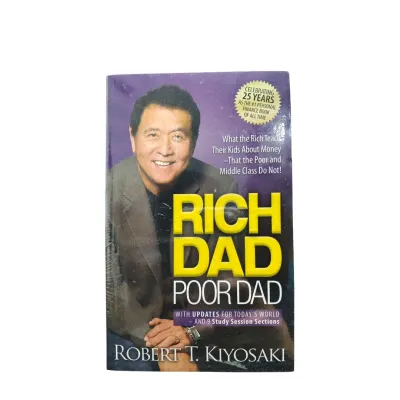
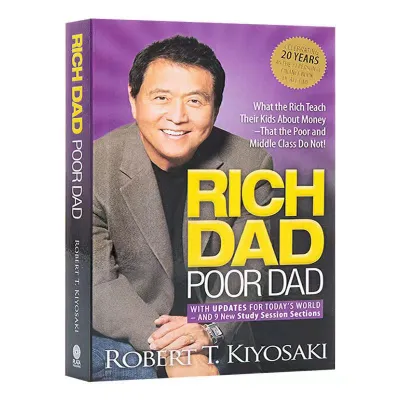

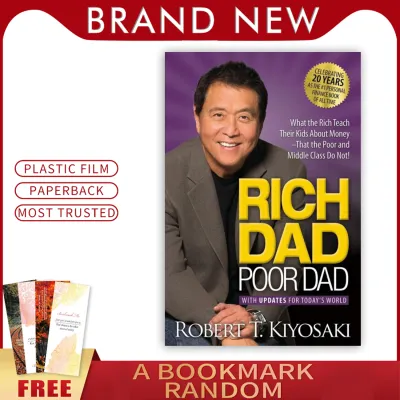
Prices are valid at publication and may change. Please refer to the product page for the latest price.
Key Physical Differences: Original vs. Fake Copies
When you receive a book or inspect it in a physical store, a close examination of its physical attributes will quickly expose its authenticity. While a single minor printing imperfection can occasionally occur in genuine copies, a combination of several low-quality features is a definitive sign of a counterfeit book. Knowing what to look for allows you to make an informed decision before parting with your money.

Cover, Binding, and Print Quality
The exterior of the book is your first line of defense. Original copies of Rich Dad Poor Dad feature sharp, high-resolution cover designs with vibrant colors and precise alignment. In contrast, counterfeit copies often display pixelated images, blurry text, and faded or off-tone colors because they are printed from low-resolution scans of the original cover. The spine of a fake book is frequently misaligned, causing the title text to spill over onto the front or back cover.
Next, open the book and examine the paper quality and thickness. Genuine editions use high-quality, acid-free paper that feels substantial and resists ink bleed-through. Counterfeiters, aiming to minimize production costs, typically use thin, translucent, or overly bright white paper. This low-grade paper allows the text from the reverse side to show through, making reading uncomfortable under standard lighting. In the humid Philippine climate, this cheap paper is also highly susceptible to warping and rapid yellowing.
The binding is another critical indicator of authenticity. Legitimate publishers use professional binding techniques, such as section sewing or high-grade adhesive, ensuring the book opens smoothly and flatly without cracking. Fake copies are often poorly glued, with visible, uneven adhesive spilling onto the pages. This weak binding causes pages to loosen and fall out after only a few reads, and the edges of the pages may be crookedly trimmed.
Copyright Page and Publisher Details
The copyright page, usually found at the beginning of the book, contains vital publishing data that counterfeiters often fail to replicate accurately. A genuine copy of Rich Dad Poor Dad will clearly list the official publisher, such as Plata Publishing, along with their official logo, contact information, and correct publication history. Counterfeiters frequently omit these details, print them with noticeable typos, or use outdated logos that do not match the specific edition.
Verify the International Standard Book Number (ISBN) printed on this page. The ISBN must correspond exactly to the specific edition, format, and publication year of the book you are holding. Fake copies often copy the copyright page of an entirely different edition, resulting in discrepancies between the paperback format in your hands and the hardcover details listed on the page.
Additionally, look for standard cataloging data, barcode formatting, and official credits. Original books include precise Library of Congress or equivalent cataloging-in-publication data. Counterfeit copies often lack these dense blocks of text entirely or display them with uneven spacing, missing lines, or generic fonts that differ from the rest of the book’s typography.
How to Verify Authenticity Before and After Purchase
To confirm whether your copy of Rich Dad Poor Dad is genuine, you can perform several verification steps using digital tools and physical measurements. First, locate the 13-digit ISBN on the back cover and cross-reference it with the ISBN printed on the copyright page inside. These numbers must match perfectly. You can then enter this ISBN into official global book databases or the publisher’s official website to verify that the metadata matches your book’s specific edition.
Another practical method is to scan the barcode on the back cover using a standard barcode scanning application on your smartphone. A legitimate barcode will instantly retrieve the correct book title, author, publisher, and edition details from international databases. If the scan fails to recognize the barcode, or if it pulls up an entirely different product, you are likely holding a counterfeit copy.
You can also compare the physical dimensions and weight of your book against the official specifications. Legitimate online retailers and publishers list the exact height, width, and weight of each edition. Counterfeit copies, due to their thinner paper and cheaper binding materials, are often significantly lighter and may have slightly different dimensions than the official product specifications.
Where to Buy Authentic Copies Safely
The most reliable way to avoid counterfeit books is to purchase them from authorized and reputable sellers. In the Philippines, established physical bookstores and their official online storefronts are the safest options. When shopping on major e-commerce platforms, always look for the official flagship stores of recognized book distributors or the publisher’s authorized local partners. These stores guarantee genuine inventory and provide reliable customer service.
Be highly cautious of third-party sellers on online marketplaces offering Rich Dad Poor Dad at prices significantly lower than the standard retail price. If a listing offers the book for a fraction of the typical retail price—such as ₱100 when the standard price is around ₱500 to ₱700—it is almost certainly a counterfeit copy. Legitimate books have fixed production and distribution costs that make such extreme discounts impossible for genuine products.
Before completing your purchase online, thoroughly inspect the seller’s profile and customer reviews. Look closely at the feedback section, specifically searching for reviews that mention terms like “fake,” “reprint,” “pirated,” “blurry print,” or “poor quality.” Even if a seller has a high overall rating, individual reviews with photos of thin paper or misaligned covers can warn you of counterfeit stock.
What to Do If You Receive a Counterfeit Book
If you discover that you have accidentally purchased a counterfeit copy of Rich Dad Poor Dad, you should take immediate action to secure a refund and report the seller. Start by documenting the discrepancies clearly. Take high-resolution photos of the pixelated cover, the misaligned spine, the thin paper with bleed-through, and any errors on the copyright page. These photos will serve as essential evidence for your claim.
Next, initiate a return or refund request through the e-commerce platform’s buyer protection program. Select “counterfeit item” or “item not as described” as the official reason for the return, and upload the photographic evidence you gathered. Most reputable online marketplaces have strict policies against the sale of pirated goods and will refund your money once the counterfeit nature of the product is verified.
Finally, report the specific product listing and the seller’s shop to the platform’s customer support team to prevent other buyers from being misled. You can also notify the official publisher’s anti-piracy department by sending a brief email with the seller’s details. Taking these steps helps clean up the marketplace and supports the wider community of readers and creators.
Frequently Asked Questions (FAQ)
Can a fake book have a valid ISBN?
Yes, counterfeit books often display a valid ISBN. Because the ISBN is printed on the cover and copyright page of the original book, counterfeiters simply copy the exact number and barcode image onto their unauthorized reprints. Therefore, the mere presence of a valid ISBN does not guarantee authenticity. You must inspect the print quality of the barcode, ensure the font matches official standards, and verify that the physical book matches the specific edition details associated with that ISBN.
Are older editions of Rich Dad Poor Dad more likely to be fake?
While older editions are highly sought after by collectors and budget buyers, they are frequently targeted by counterfeiters. Unauthorized reprints of early editions are common in secondary markets and informal stalls because older cover designs are easier to replicate with basic printing equipment. When buying an older edition, it is crucial to verify the publisher’s history, check for natural aging signs versus cheap modern paper, and compare the cover design with official publisher archives.

Community discussion
Share your experience or ask a question. Comments are reviewed before publication.